
The proposed AHINDA convention has triggered renewed political debate in Karnataka, with party insiders and observers suggesting that the event could intensify the ongoing leadership tussle within the ruling establishment. While officially projected as a platform to consolidate support among AHINDA communities—an acronym representing minorities, backward classes, and Dalits—the proposed convention is increasingly being viewed through the prism of internal power dynamics and emerging leadership ambitions. Political analysts note that the timing and scale of the convention have added a new layer of complexity to an already delicate balance within the party.
Senior leaders have maintained that the proposed convention is aimed at strengthening social justice discourse and reinforcing the party’s ideological commitment to inclusive governance. However, multiple factions within the party appear to be interpreting the move differently, with some viewing it as an attempt to project a particular leader as the principal face of AHINDA politics in the state. Officials familiar with internal discussions stated that such perceptions have led to unease among other aspirants, who fear marginalisation in the evolving political narrative.
The proposed convention is expected to draw representatives, community leaders, and party workers from across Karnataka, making it a high-visibility event with potential political implications. While party leadership has not officially announced dates or venues, preparatory meetings and informal mobilisation efforts have already begun in several districts. Observers note that these early signals have sparked speculation about the political messaging and leadership positioning that may emerge from the convention.
Party leaders have publicly downplayed suggestions of internal discord, emphasising that AHINDA has long been a collective ideological plank rather than an individual-centric initiative. They have reiterated that the convention, if held, would focus on policy discussions, social empowerment, and organisational strengthening. Despite these assurances, internal conversations suggest that differences over leadership projection and credit-sharing remain unresolved.
Sources within the party indicated that some senior leaders have expressed concern that the convention could be perceived as favouring one faction over others. They argue that while AHINDA remains a powerful social coalition, its political mobilisation must be carefully managed to avoid alienating leaders who command influence in other social segments. Officials noted that maintaining unity ahead of future electoral challenges is a key priority, and any initiative that risks deepening internal divides is being closely scrutinised.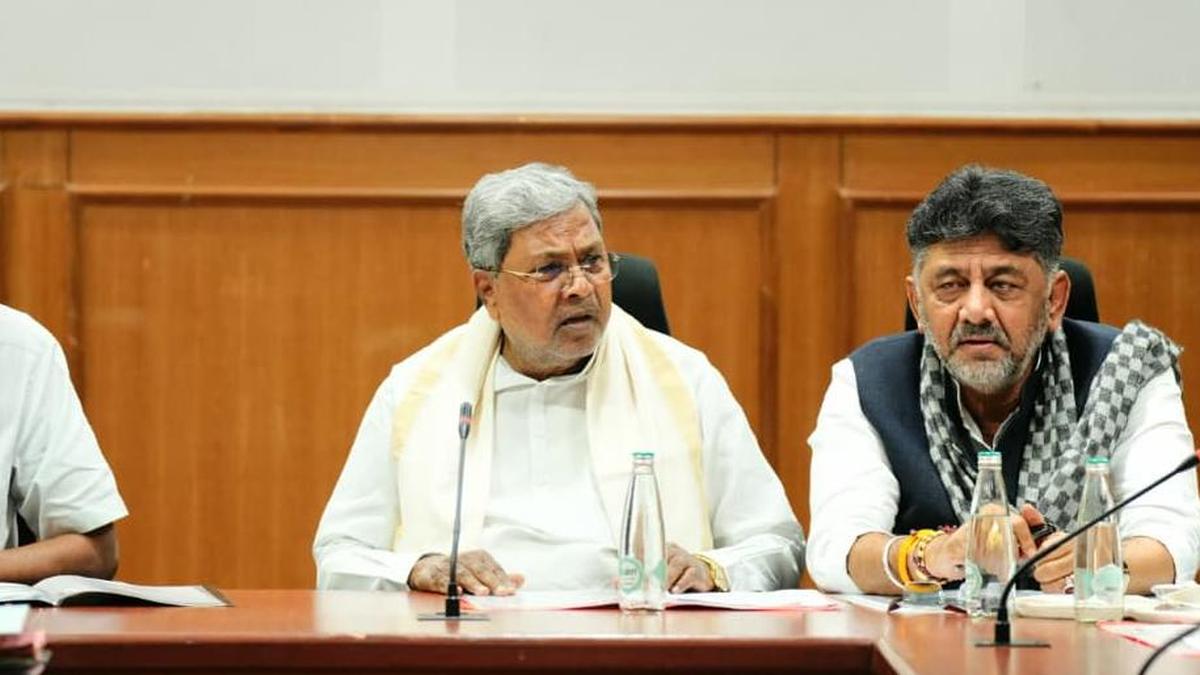
The political context surrounding the proposed convention has further heightened sensitivities. With local body elections and organisational restructuring on the horizon, leadership visibility and grassroots outreach have assumed greater importance. Analysts point out that platforms such as large-scale conventions often serve as informal indicators of political clout, making them focal points for competition within parties.
AHINDA Politics and Strategic Significance
AHINDA as a political concept has played a significant role in shaping Karnataka’s electoral landscape over the years. By bringing together minorities, backward classes, and Dalits, the coalition has been demonstrated to be electorally influential when effectively mobilised. Party strategists have often credited AHINDA-centric outreach for consolidating vote banks and shaping governance priorities focused on social welfare and equity.
The proposed convention is being positioned by its proponents as a continuation of this legacy. Leaders advocating for the event argue that changing socio-economic conditions and emerging challenges necessitate renewed engagement with AHINDA communities. They contend that a convention would provide a structured forum to discuss issues such as education, employment, political representation, and access to government schemes.
However, critics within the party caution that AHINDA politics must evolve beyond symbolic gatherings. They stress that tangible policy outcomes and sustained engagement matter more than high-profile events. Some leaders have privately questioned whether the convention is being driven more by political optics than by genuine consultative intent, adding to internal scepticism.
Political observers also note that AHINDA is not a monolithic bloc and encompasses diverse interests and priorities. Successfully navigating these differences requires careful leadership coordination and inclusive messaging. Any perception that one leader is seeking to dominate the AHINDA narrative could risk fragmenting support and undermining collective strength.
The broader opposition has been watching developments closely, interpreting the proposed convention as a sign of internal recalibration within the ruling party. Opposition leaders have suggested that the leadership tussle could weaken governance focus, though ruling party officials have dismissed such claims as politically motivated speculation.
Leadership Aspirations and Internal Dynamics
The leadership tussle within the party has been an undercurrent in recent months, marked by subtle signals, strategic statements, and competing public appearances. While the party officially maintains a united front, insiders acknowledge that ambitions for greater influence and future leadership roles are shaping internal alignments.
The proposed AHINDA convention has become intertwined with these ambitions. Analysts suggest that whoever takes the lead in organising and addressing the convention could gain enhanced visibility among key social groups, potentially strengthening their claim to leadership prominence. This has reportedly made other leaders wary, particularly those who fear being overshadowed.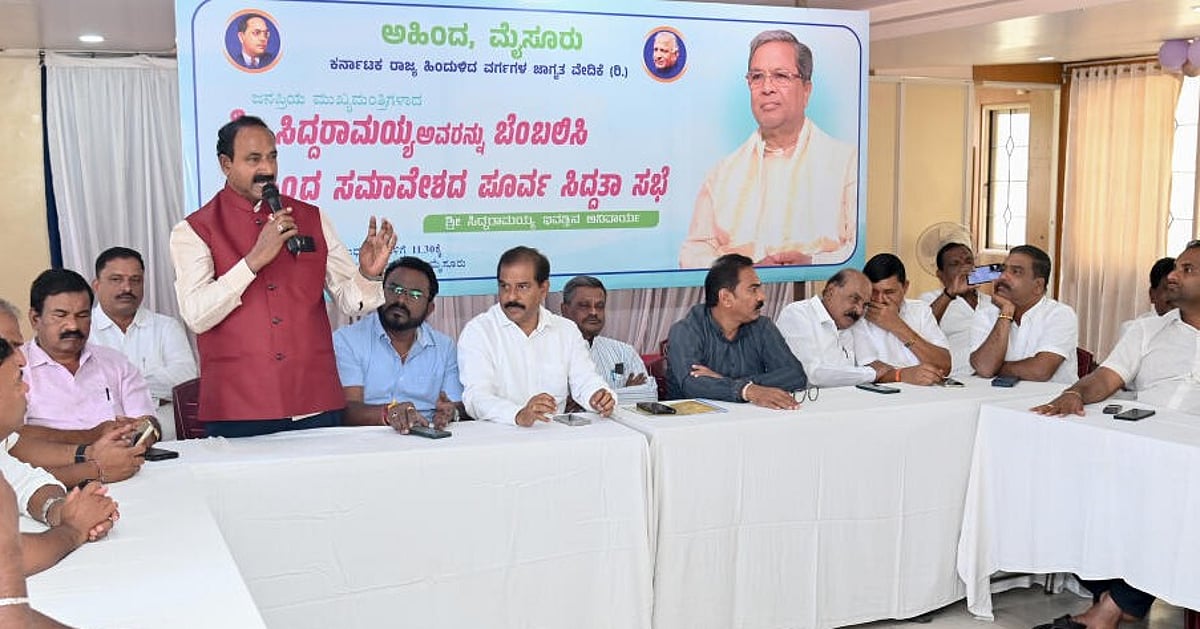
Senior leaders have attempted to manage these dynamics by emphasising collective leadership and shared responsibility. They have reiterated that any major organisational event would be conducted under the guidance of the party’s high command, with representation from all factions. Despite this, the absence of clear communication on the convention’s structure has allowed speculation to persist.
Party functionaries at the district level have expressed mixed reactions. Some see the proposed convention as an opportunity to energise cadres and reconnect with grassroots supporters. Others worry that unclear leadership messaging could confuse workers and create parallel lines of loyalty, complicating organisational coherence.
The role of the party’s central leadership has also come into focus. Observers note that decisions on large-scale conventions often require approval from the high command, particularly when they carry potential implications for state-level leadership equations. The delay in formal announcement is being interpreted by some as a sign of ongoing deliberations at higher levels.
Organisational Implications and Cadre Response
At the organisational level, the proposed convention has prompted discussions on mobilisation, resource allocation, and messaging. Party workers have reportedly begun informal outreach in anticipation, even as official directives remain pending. This has created a sense of uncertainty among cadres regarding priorities and timelines.
Some party workers have welcomed the prospect of a convention, viewing it as a morale-boosting exercise that could reinvigorate grassroots networks. They argue that large gatherings help reaffirm ideological commitments and provide clarity on policy direction. Others caution that without clear objectives, such events risk becoming platforms for factional showmanship.
District leaders have emphasised the need for inclusive planning to ensure that all segments feel represented. They have suggested forming coordination committees comprising leaders from different factions to avoid perceptions of bias. Party officials noted that such measures could help mitigate internal tensions and ensure smoother execution if the convention proceeds.
The financial and logistical aspects of organising a state-level convention have also been discussed. Leaders have highlighted the importance of transparency and accountability in funding and decision-making to prevent internal disputes. Observers note that organisational discipline during such events often reflects broader party health.
Political Messaging and Public Perception
Public perception is another critical factor shaping the debate around the proposed AHINDA convention. While internal leadership dynamics may dominate behind-the-scenes discussions, outward messaging will influence how voters interpret the initiative. Party leaders have stressed the need to frame the convention around governance achievements and future policy commitments rather than individual leadership narratives.
Communication strategists within the party have reportedly advised caution, noting that overt displays of internal competition could undermine public confidence. They argue that unity and clarity are essential, particularly in a politically competitive environment where opponents are quick to exploit perceived divisions.
Media coverage of preparatory activities has already fuelled speculation, with reports highlighting contrasting statements from different leaders. Party spokespersons have attempted to project coherence, reiterating that discussions are ongoing and that no final decision has been taken. Nevertheless, the steady stream of commentary has kept the issue in the public eye.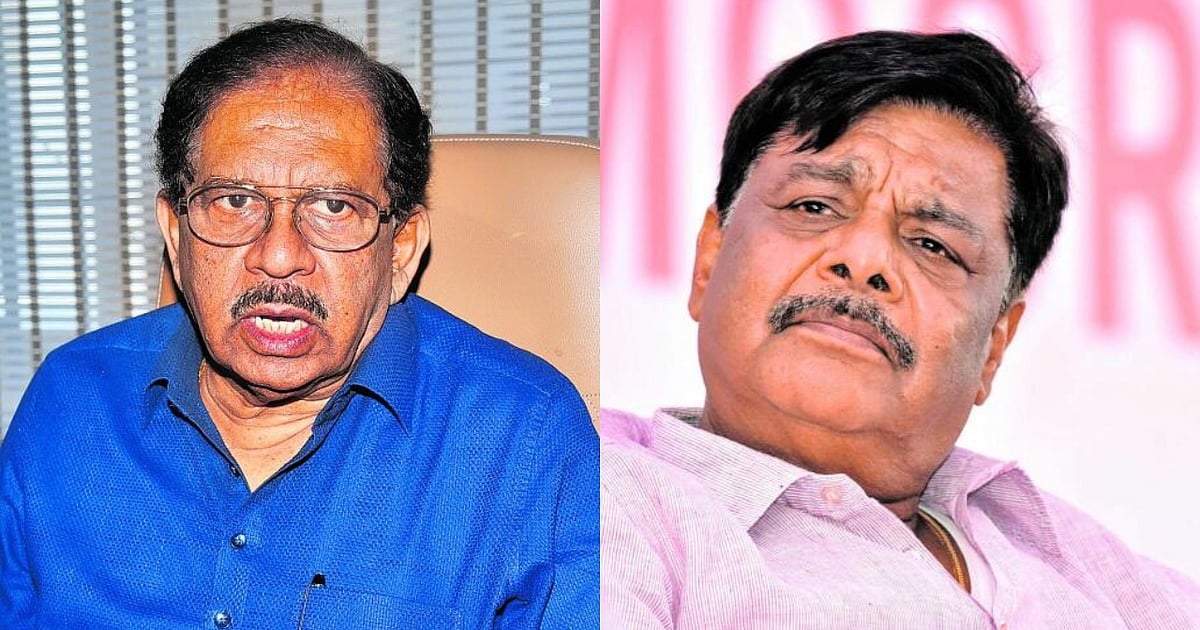
Civil society observers have pointed out that AHINDA politics resonates strongly when linked to concrete outcomes such as welfare delivery and social mobility. They suggest that any convention should prioritise actionable resolutions and follow-up mechanisms to maintain credibility.
Future Outlook and Political Calculations
Looking ahead, the fate of the proposed AHINDA convention is likely to depend on how effectively party leadership navigates internal sensitivities. Analysts suggest that a carefully structured, inclusive event could strengthen organisational unity and reinforce ideological commitments. Conversely, a poorly managed initiative could exacerbate leadership rivalries and complicate governance focus.
Party officials have indicated that consultations are ongoing and that a final decision will be taken after considering organisational readiness and political implications. They emphasised that unity remains paramount and that any initiative would be aligned with broader party interests.
The proposed convention has thus become a litmus test for internal coordination and leadership management. Its outcome may offer insights into how the party balances ambition with cohesion, and ideology with pragmatism, in the evolving political landscape of Karnataka.
In conclusion, while the proposed AHINDA convention is officially framed as an ideological and organisational exercise, it has inevitably become entangled with leadership tussles and internal power equations. As deliberations continue, the manner in which the party resolves these dynamics will shape not only the fate of the convention but also the broader trajectory of its leadership and political strategy in the state.
Follow: Karnataka Government
Also read: Home | Channel 6 Network – Latest News, Breaking Updates: Politics, Business, Tech & More
