
Former Chief Minister H. D. Kumaraswamy (HDK) has sharply criticised the Congress-led government in Karnataka, claiming that the state is on a “downslide” under its administration. Speaking at a public event in Bengaluru, HDK alleged that governance issues, policy mismanagement, and corruption have collectively undermined development efforts across sectors. He asserted that the state’s economic growth, infrastructure development, and public service delivery have all suffered during the current tenure, creating widespread discontent among citizens.
HDK highlighted what he called “systemic administrative shortcomings” within the Congress government, pointing to delays in project approvals and inadequate implementation of welfare schemes. He cited instances where infrastructure projects, such as road construction and irrigation initiatives, have lagged behind schedule, causing inconvenience to citizens and affecting economic activity. According to him, these delays reflect inefficiencies at multiple levels of governance, from bureaucratic red tape to political indecision.
He also raised concerns about the state’s financial management, arguing that resources are not being optimally allocated to priority sectors. HDK claimed that while the government announces multiple schemes, lack of monitoring and follow-up often reduces their effectiveness. He stressed the need for transparent audits and strict accountability to ensure that funds reach intended beneficiaries and developmental targets are achieved.
Impact on Rural and Agricultural Sectors
Kumaraswamy drew attention to the hardships faced by farmers and rural communities under the current administration. He argued that inconsistent irrigation policies, delayed crop insurance payouts, and inadequate support for agricultural inputs have compounded rural distress. Citing rising farmer suicides and migration to urban areas, he warned that neglecting rural issues could have long-term socio-economic consequences for the state.
He also criticised the government for insufficient support to allied sectors like dairy, horticulture, and fisheries. According to HDK, lack of infrastructure, low market access, and delayed subsidies have left many small-scale producers struggling, undermining livelihoods and contributing to economic instability in rural areas.
Urban Development Concerns
On the urban front, HDK criticised the handling of traffic congestion, waste management, and civic amenities in Bengaluru and other major cities. He pointed out that despite rapid urbanisation and increasing population, city planning and public transport projects have not kept pace, causing daily inconvenience for residents. HDK called for stronger municipal governance and improved coordination between state and city authorities to address these challenges.
He also flagged issues related to housing, water supply, and sanitation, arguing that citizens in both urban and peri-urban areas are affected by inadequate service delivery. He emphasised that urban development cannot be separated from economic growth, as cities are the hubs for industry, technology, and employment generation.
Employment and Industrial Growth
HDK’s critique extended to employment generation and industrial development, highlighting that job creation has not matched the needs of Karnataka’s growing workforce. He argued that industrial policy under the current government has been inconsistent, with insufficient incentives for investment in manufacturing and skill development. According to him, this has led to reduced opportunities for youth and increased migration to other states for employment.
He also raised concerns about startups and small enterprises, suggesting that bureaucratic hurdles and limited access to finance have stifled innovation. HDK called for policy reforms that simplify procedures, encourage entrepreneurship, and provide targeted support to emerging sectors to boost economic growth.
Education and Healthcare Challenges
Kumaraswamy criticised the government’s performance in education and healthcare, stating that inadequate infrastructure, teacher shortages, and uneven access to quality education have impacted student outcomes. He emphasised that rural and semi-urban areas are particularly affected, with children struggling to obtain proper learning opportunities.
In healthcare, he highlighted shortages of medical staff, delayed implementation of public health initiatives, and limited access to quality facilities in smaller towns and villages. HDK argued that improving health and education services is critical for overall human development and long-term state prosperity.
Corruption and Governance Issues
Another key aspect of HDK’s critique was corruption and lack of transparency in governance. He alleged that favoritism in project approvals and irregularities in fund allocation have eroded public trust. He urged stronger anti-corruption measures, transparent bidding processes, and independent monitoring to ensure accountability at all levels of government.
He also stressed the importance of citizen engagement in governance, suggesting that public feedback mechanisms, grievance redressal systems, and participatory planning could enhance trust and efficiency in administration.
Public Perception and Political Strategy
Political analysts note that HDK’s statements are designed to resonate with voters frustrated with governance inefficiencies and policy delays. By highlighting tangible issues such as unemployment, urban congestion, and rural distress, he seeks to strengthen his party’s narrative as a credible alternative to the ruling government.
HDK’s approach also appears aimed at consolidating support among key voter segments, including farmers, urban youth, and middle-class citizens affected by rising costs and service gaps. Analysts suggest that such messaging is particularly relevant in constituencies where local grievances have a direct impact on daily life.
Opposition Reactions and Government Response
In response to HDK’s remarks, Congress leaders defended their administration, citing policy successes, social welfare initiatives, and infrastructure projects. They emphasised that while challenges exist, the government has taken significant steps to promote inclusive development, provide financial support to farmers, and improve urban amenities.
Government spokespersons also accused HDK of exaggerating issues for political gain and warned against undermining public confidence. Officials reiterated that development is an ongoing process, and challenges in execution are being addressed systematically.
Economic Indicators and Governance Metrics
Experts analysing Karnataka’s governance indicators point out mixed trends. While sectors like IT and services continue to perform well, indicators such as agricultural productivity, rural employment, and infrastructure completion rates show room for improvement. Economists suggest that addressing these gaps is critical for maintaining investor confidence and ensuring equitable growth across the state.
HDK’s critique draws attention to these disparities, highlighting areas where citizens feel underserved. Analysts note that future political discourse is likely to focus on tangible development outcomes, with governance performance becoming a key determinant of electoral success.
Future Outlook and Political Implications
The former Chief Minister’s comments signal heightened political debate ahead of upcoming elections, with governance performance taking centre stage. HDK’s focus on administrative inefficiency, rural distress, and urban challenges underscores the strategic importance of public perception in shaping electoral outcomes.
As the debate unfolds, both the ruling Congress and opposition parties are expected to intensify outreach efforts, focusing on tangible improvements in service delivery and policy implementation. Observers note that how effectively the government addresses these criticisms could significantly influence voter sentiment and Karnataka’s political landscape in the near term.
HDK pointed out specific challenges, including rising unemployment, delays in infrastructure projects, and inflationary pressures affecting essential commodities. According to him, inadequate attention to agricultural distress, water management, and industrial investment has contributed to the state’s stagnation. He stressed that ordinary citizens are bearing the brunt of administrative inefficiencies, with farmers, students, and small businesses experiencing heightened difficulties.
The former Chief Minister also criticised the Congress government for what he described as “lack of proactive governance” and delayed decision-making in critical areas. He highlighted that various welfare schemes and developmental projects announced by the state have either been poorly implemented or remain incomplete. HDK argued that this trend reflects both mismanagement and a lack of political will to address pressing issues effectively.
Political analysts note that HDK’s comments appear to be part of a broader effort to consolidate opposition voices ahead of upcoming elections. By framing the narrative around governance failure and public dissatisfaction, HDK aims to position his party as a credible alternative capable of delivering better administration and development outcomes.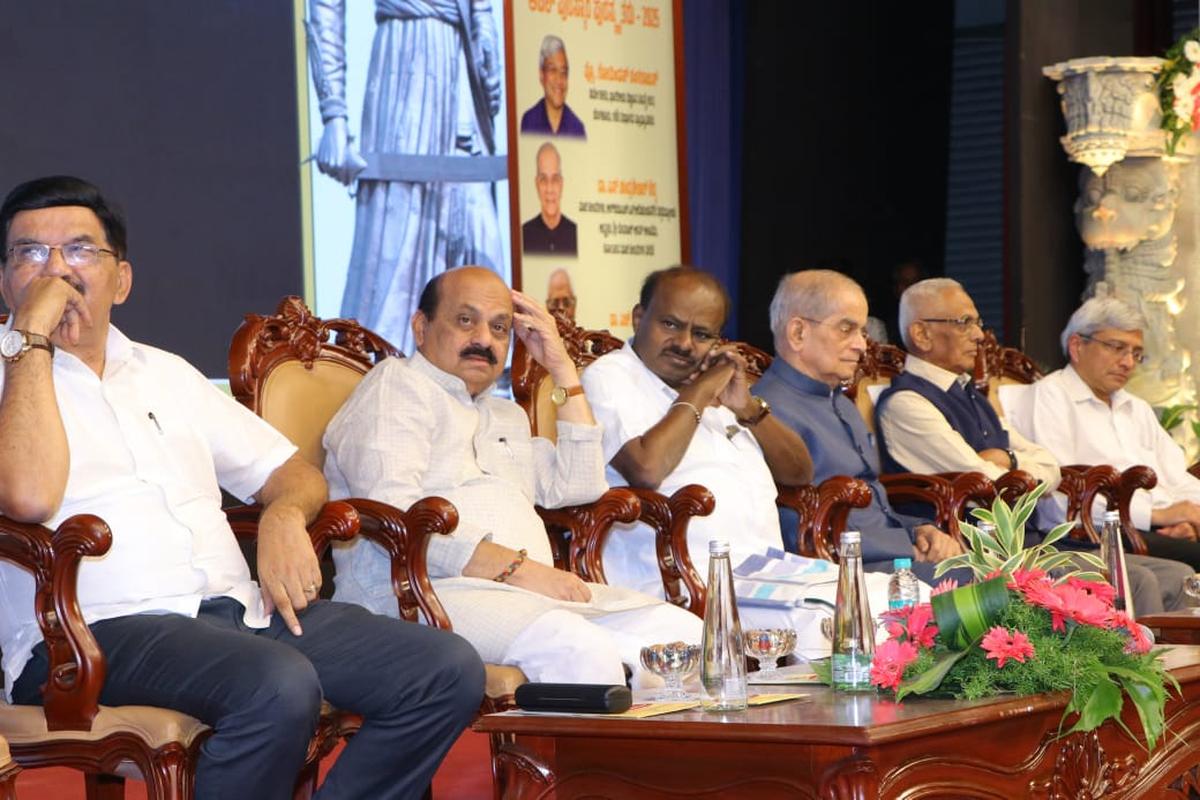
Impact on Governance and Public Perception
HDK’s remarks have sparked debate across political circles, with Congress leaders defending the government’s record and citing several initiatives undertaken in sectors such as education, health, and rural development. The ruling party has pointed to increased investment in infrastructure, expansion of social welfare schemes, and proactive disaster management efforts as evidence of its performance. Party officials accused HDK of exaggeration and warned against politicising administrative challenges for electoral gain.
Despite these counterclaims, public perception appears mixed. Urban residents have expressed frustration over traffic congestion, delays in civic services, and rising fuel costs, while rural communities cite issues such as erratic power supply, water scarcity, and crop distress. HDK’s critique resonates with sections of the electorate concerned about tangible governance failures rather than political rhetoric.
Economic experts have also weighed in, noting that Karnataka faces structural challenges including uneven industrial growth, disparities in rural-urban development, and dependence on certain sectors like IT for revenue. They suggest that while criticism from political opponents is expected, the government must focus on actionable policy measures to restore confidence among investors, farmers, and ordinary citizens.
Political Ramifications and Opposition Strategy
HDK’s public statements are being interpreted as a strategic move to galvanise opposition unity and highlight perceived shortcomings of the Congress administration. Analysts suggest that such remarks could influence voter sentiment, particularly in districts facing developmental bottlenecks or governance gaps. By emphasising administrative inefficiencies, HDK is positioning his party to appeal to both urban and rural constituencies dissatisfied with current governance.
Party insiders have indicated that HDK plans to continue highlighting these issues through public rallies, media interactions, and grassroots outreach. They stress that sustained focus on governance and accountability could enhance the party’s credibility and visibility ahead of electoral contests. Opposition strategists also view this as an opportunity to forge alliances based on shared criticism of the ruling government.
Furthermore, HDK’s critique draws attention to internal accountability within the Congress government. By exposing areas where service delivery and policy execution lag, he underscores the need for performance audits, transparency, and responsiveness to public grievances. Analysts note that the effectiveness of such critique depends on the ability to present constructive alternatives and solutions, rather than solely highlighting shortcomings.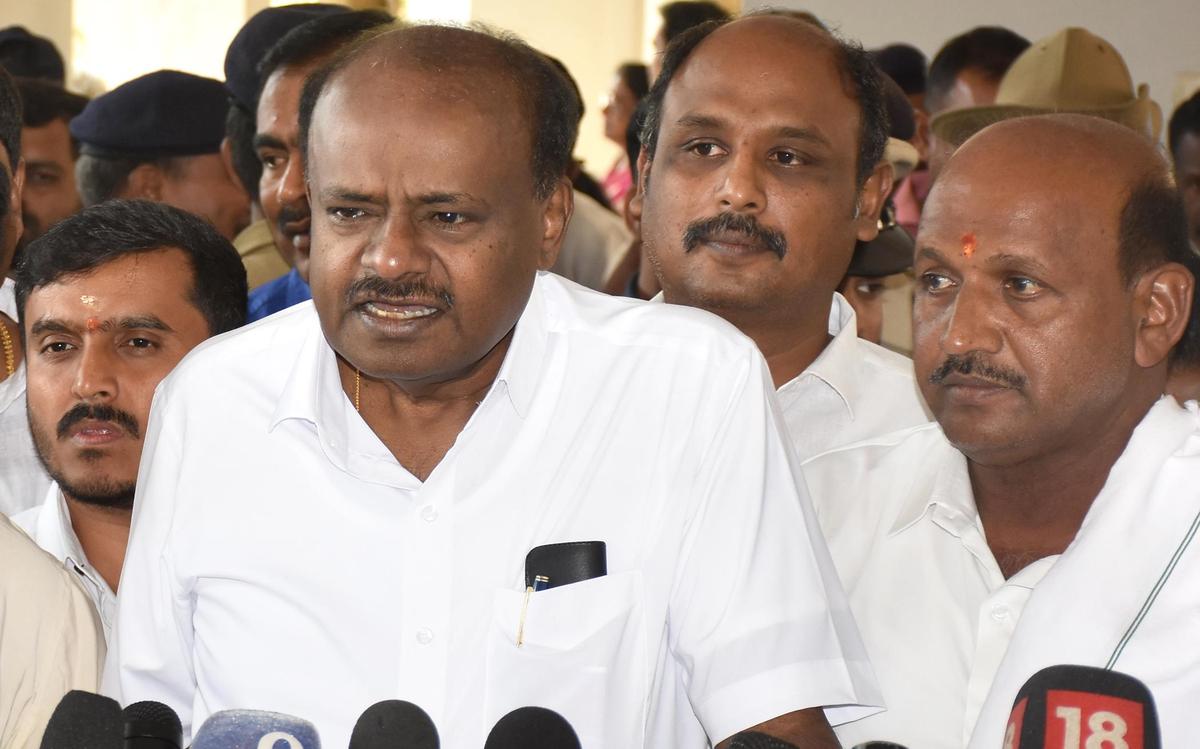
Future Outlook and Governance Challenges
Looking ahead, Karnataka faces multiple governance challenges that require coordinated action and proactive policy intervention. Issues such as unemployment, infrastructure development, agricultural distress, and public health require urgent attention to prevent further erosion of public trust. HDK’s comments may intensify political pressure on the Congress government to deliver visible results and address citizen concerns more effectively.
Political observers suggest that the coming months will be critical in shaping voter perception and the state’s political landscape. If governance deficiencies persist, HDK and other opposition leaders could leverage public discontent to gain traction in key constituencies. Conversely, effective implementation of developmental initiatives could counter criticism and reinforce the government’s credibility.
In conclusion, HDK’s assertion that Karnataka is on a “downslide” under Congress rule has highlighted ongoing governance concerns and intensified political discourse in the state. While the ruling party defends its record, the criticism underscores the importance of responsive administration, transparent policy-making, and tangible outcomes for citizens. How the government addresses these challenges will likely influence both public sentiment and Karnataka’s political trajectory in the months ahead.
Follow: Karnataka Government
Also read: Home | Channel 6 Network – Latest News, Breaking Updates: Politics, Business, Tech & More
