
A devastating road accident in Chitradurga, Karnataka, has left six people dead after a truck collided with a private sleeper bus, causing a fire on Thursday. The Chitradurga Police have registered a case against the truck driver, who was among the deceased, as investigations into the accident continue. The collision has once again raised concerns about road safety, vehicle maintenance, and enforcement of traffic regulations in the state.
Eyewitnesses reported that the collision occurred late at night on a busy stretch of highway, when the truck reportedly lost control and rammed into the stationary or slow-moving bus. The impact caused the bus to catch fire almost immediately, trapping passengers inside. Rescue operations by local authorities and fire services were initiated promptly, but several victims could not be saved due to the intensity of the blaze.
Investigation into Causes Underway
Authorities are conducting a detailed investigation into the Chitradurga accident to determine the precise cause of the collision. While eyewitnesses suggest the truck may have been speeding or unable to control its brakes, investigators are examining vehicle logs, driver history, and mechanical conditions of both vehicles. Forensic analysis of skid marks, fire patterns, and vehicle positions will help reconstruct the sequence of events. Police officials emphasised that identifying the root cause is crucial not only for legal accountability but also for preventing similar accidents on Karnataka highways.
Mechanical Failures and Vehicle Safety
Preliminary reports indicate that mechanical failure could have played a role in the truck’s loss of control. Experts have highlighted that trucks and long-distance buses require regular inspections to ensure brakes, tires, and suspension systems are fully functional. Overloaded vehicles, wear-and-tear on older trucks, and inadequate maintenance can dramatically increase accident risks. Authorities are reviewing maintenance records to determine if negligence contributed to the disaster, underlining the need for stricter compliance with vehicle safety norms.
Human Error and Driver Fatigue
Human error, particularly driver fatigue, is being examined as a possible factor. Drivers operating on long routes often face extended hours without proper rest, increasing the likelihood of mistakes. The Ministry of Transport has previously noted that a significant percentage of highway accidents in India are caused by driver exhaustion, distraction, or impaired judgment. Officials stress that stricter enforcement of driving-hour regulations, mandatory rest breaks, and training in defensive driving could reduce fatalities in similar accidents.
Fire Safety in Sleeper Buses
The rapid spread of fire in the bus highlights the urgent need for fire safety protocols. Investigators are checking whether the vehicle had functioning fire extinguishers, accessible emergency exits, and safety signage. Experts warn that many private buses lack adequate fire-retardant materials, smoke detectors, or emergency evacuation plans, which exacerbates the impact of accidents. Implementing stringent fire-safety regulations and regular inspections could save lives during future incidents.
Impact on Survivors and Families
Survivors of the crash recounted harrowing experiences, including being trapped by flames and struggling to evacuate amid chaos. Families of the deceased are facing emotional trauma, compounded by uncertainty over compensation and legal proceedings. Social workers and local NGOs have mobilised to provide counseling, financial assistance, and logistical support. Health officials have also prioritised follow-up medical care for burn victims and those suffering from shock, emphasising the long-term health impact of such accidents.
State Transport Authorities’ Response
State transport authorities have pledged to review safety norms for long-distance buses and trucks in light of the accident. Proposed measures include mandatory GPS tracking, speed governors, and regular vehicle audits. Officials also stressed that private operators must ensure fire-safety compliance, proper driver training, and adherence to weight limits. The accident has prompted discussions on strengthening penalties for safety violations, ensuring that operators prioritise passenger welfare over profit margins.
Policy Reforms and Road Safety Measures
Road safety experts argue that this accident highlights systemic issues requiring policy reform. Proposed initiatives include dedicated highway patrol units, automated traffic monitoring systems, and stricter enforcement of vehicle fitness certificates. Experts also advocate for a comprehensive accident database that tracks incidents, identifies high-risk routes, and guides resource allocation for emergency services. Policymakers hope that lessons learned from Chitradurga will inform long-term strategies to reduce highway fatalities statewide.
Nationwide Context of Bus and Truck Accidents
This tragedy adds to a troubling pattern of bus and truck accidents in India, where thousands of fatalities occur annually on highways. Between 2021 and 2025, multiple high-profile incidents involving private sleeper buses and heavy trucks have been reported in Karnataka and other states. Analysts point out that a combination of aging vehicles, lax enforcement, inadequate driver training, and insufficient emergency infrastructure contributes to these frequent disasters. Raising awareness, strengthening regulations, and improving response mechanisms are critical to preventing future casualties.
Community and Social Reactions
The accident has prompted widespread grief and outrage in Chitradurga and surrounding districts. Residents have urged authorities to take immediate action against negligent operators and improve highway safety. Social media has been flooded with condolences for the victims, calls for stricter enforcement, and demands for better emergency response infrastructure. Community leaders emphasised that public pressure can accelerate policy action, ensure accountability, and create safer travel conditions for passengers.
Future Preventive Measures
In the aftermath, authorities are considering long-term preventive strategies. Recommendations include mandating fire-resistant materials in buses, installing emergency alarms and lighting, enhancing roadside firefighting capabilities, and implementing driver monitoring systems. Public awareness campaigns focusing on safety, emergency evacuation procedures, and responsible driving practices are also being planned. Officials believe that combining policy reforms, technological interventions, and community engagement can significantly reduce the occurrence and impact of such catastrophic accidents in the future.
Casualties and Immediate Response
The accident claimed the lives of six individuals, including the truck driver, and injured several others. Survivors described chaotic scenes as passengers struggled to escape the flames. Firefighters and emergency responders worked through the night to bring the situation under control. Injured passengers were rushed to nearby hospitals, where doctors attended to burn injuries and trauma. Local police and disaster management teams coordinated evacuation and relief efforts.
Authorities have confirmed that the truck driver is being included in the FIR due to negligence and possible violation of traffic rules, even though he succumbed to injuries. The police are collecting statements from witnesses, examining CCTV footage, and inspecting the vehicles involved to ascertain the precise sequence of events leading to the collision.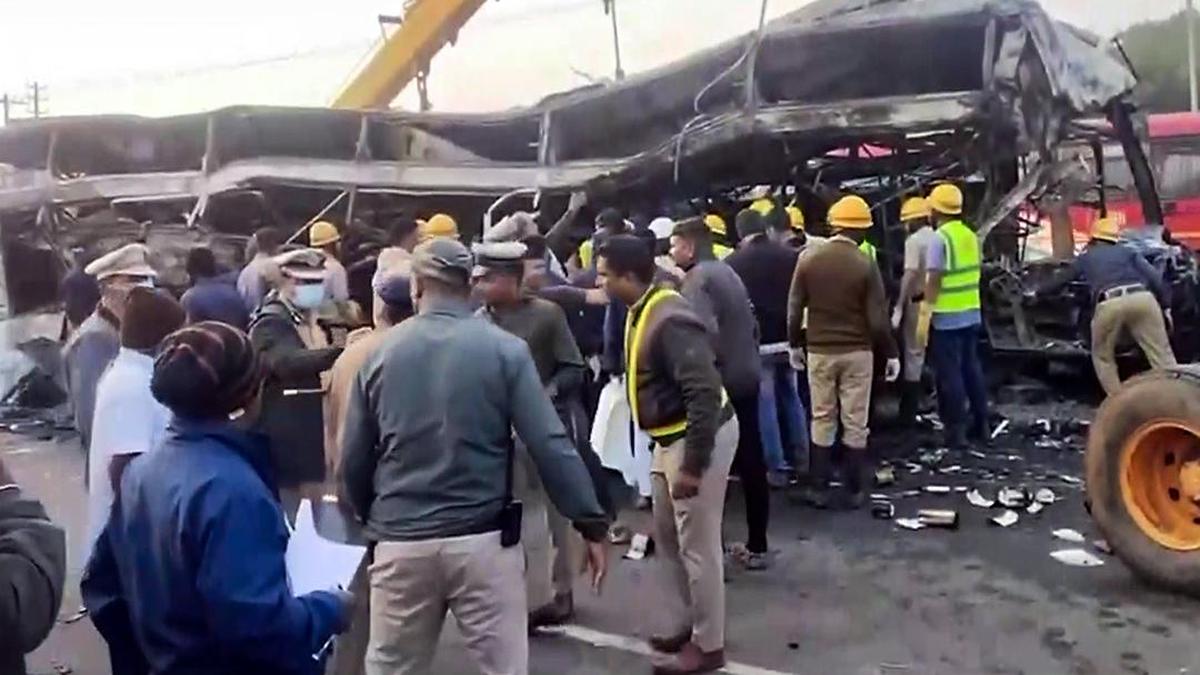
Investigation and Legal Action
The Chitradurga Police have initiated a formal investigation under relevant sections of the Indian Penal Code related to negligent driving, causing death, and destruction of property. The case aims to determine accountability and whether the accident was a result of speeding, overloading, mechanical failure, or driver error. Authorities stressed that swift legal action is necessary to send a strong message on road safety compliance.
Transport officials indicated that both the bus and the truck would be inspected for roadworthiness, insurance compliance, and adherence to safety regulations. Preliminary reports suggest that mechanical failure or brake malfunction on the truck may have contributed to the accident, though investigations are ongoing.
Road Safety Concerns
This accident comes amid growing concerns about road safety in Karnataka, particularly on highways frequented by heavy trucks and long-distance buses. Safety experts warn that overspeeding, overloading, poorly maintained vehicles, and insufficient traffic monitoring continue to pose serious risks to passengers and drivers alike.
The government has urged transport operators to comply strictly with traffic norms, conduct regular vehicle maintenance, and train drivers in emergency response procedures. Public awareness campaigns highlighting the importance of seat belts, fire exits, and safe driving practices are also being recommended to reduce the frequency and severity of such incidents.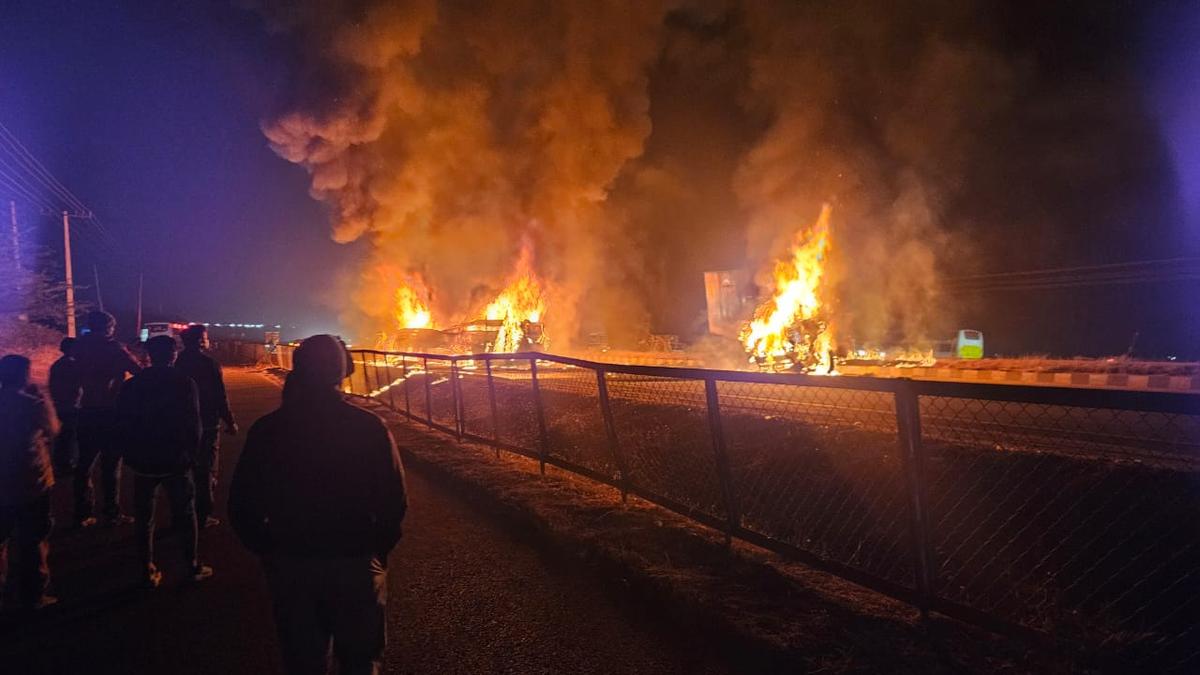
Support for Victims and Families
Officials have assured that families of the deceased and injured passengers will receive assistance, including compensation under the Motor Vehicles Act and state relief schemes. Local authorities and social organisations are providing immediate support, including counselling and medical aid for survivors. Police and municipal teams are coordinating with hospitals to ensure the injured receive appropriate treatment.
Previous Incidents and Statistical Context
This tragedy adds to a worrying trend of bus and truck accidents in Karnataka. Over the past few years, multiple incidents involving heavy vehicles have resulted in fatalities, often due to mechanical failures, negligence, or poor adherence to traffic regulations. Experts emphasise that stricter enforcement, better emergency infrastructure, and public vigilance are necessary to prevent such catastrophic events.
Calls for Policy Review
Transport and safety advocates have called for a comprehensive review of vehicle safety policies, including mandatory fire-safety measures on buses, speed monitoring for trucks, and routine vehicle inspections. They argue that proactive policies and technological solutions, such as GPS tracking and automated braking systems, could reduce accidents on high-risk highway stretches.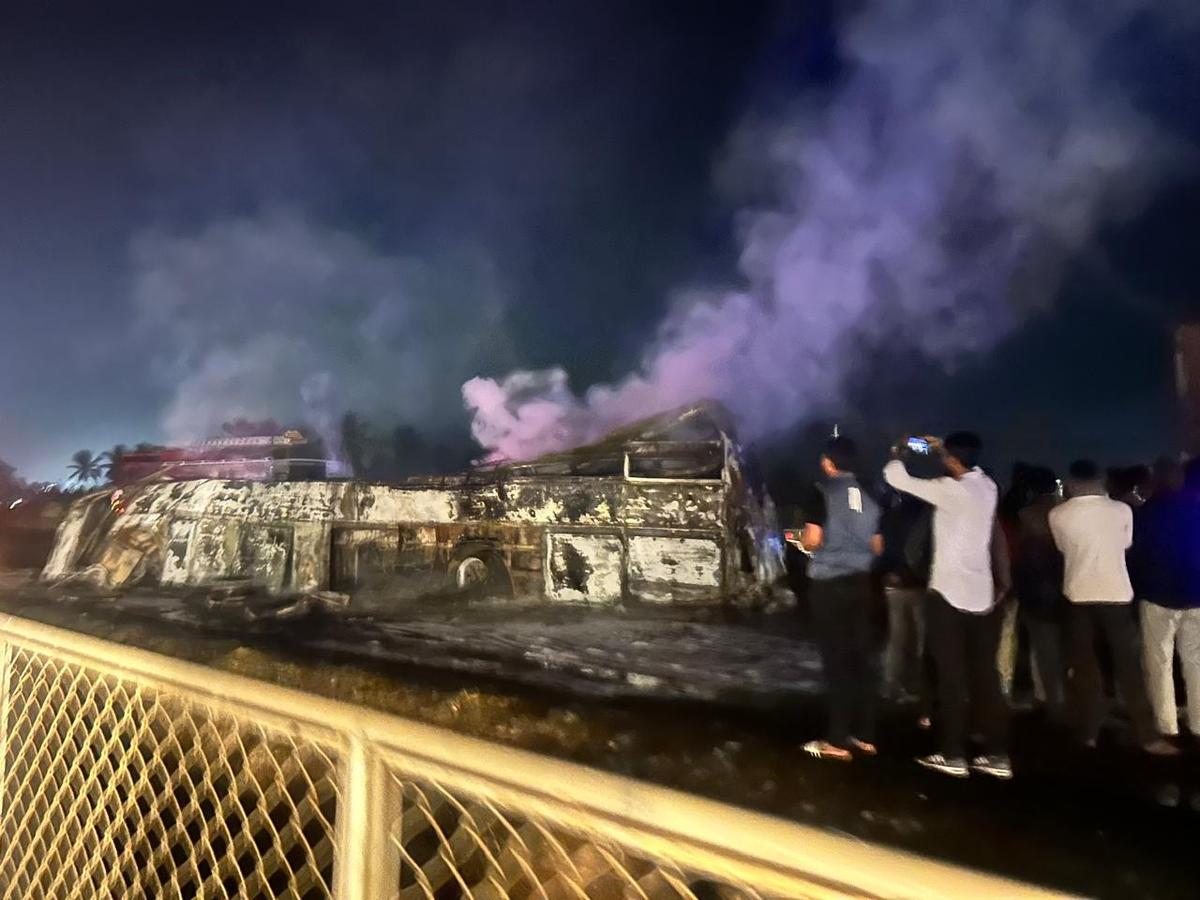
Community Reaction
The accident has left the local community in Chitradurga and surrounding areas shocked and grieving. Residents expressed sorrow for the victims and urged authorities to take strong measures to prevent similar tragedies in the future. Social media platforms have been flooded with tributes to the deceased and calls for stricter road safety enforcement.
Future Measures and Awareness Campaigns
Authorities have indicated plans to strengthen road safety protocols, including enhanced monitoring, stricter penalties for traffic violations, and awareness campaigns for drivers and passengers. Emergency response drills and fire-safety training for bus operators are also being considered to ensure quicker, safer evacuation in case of accidents.
In conclusion, the Chitradurga accident highlights the urgent need for vigilance, enforcement, and infrastructure improvements on highways. While investigations continue, authorities stress that compliance with traffic rules, vehicle maintenance, and passenger safety measures can significantly reduce the risk of similar catastrophic incidents in the future.
Follow: Karnataka Government
Also read: Home | Channel 6 Network – Latest News, Breaking Updates: Politics, Business, Tech & More
