
The death toll in the cylinder blast that occurred near the iconic Mysuru Palace has risen to two, deepening shock and grief across the city. The incident, which took place in a densely populated area close to the heritage site, has raised serious concerns about public safety, handling of gas cylinders, and emergency preparedness in busy urban zones. Authorities confirmed that one more victim succumbed to injuries while undergoing treatment at a hospital, taking the total number of fatalities to two.
The blast, reportedly caused by a gas cylinder explosion, occurred amid regular activity in the area, triggering panic among residents, shopkeepers, and tourists. Emergency services rushed to the spot soon after the explosion, evacuating the injured and securing the area to prevent further damage. The incident has prompted a detailed investigation by police and fire department officials to determine the exact cause and fix accountability.
As Mysuru mourns the loss of two lives, the cylinder blast near the palace stands as a stark reminder of the dangers posed by lapses in safety. Officials emphasise that strict compliance with safety regulations, regular inspections, and public awareness are crucial to preventing such tragic incidents in the future.
Local authorities have assured that all necessary steps are being taken to support the affected families while also reviewing safety measures to prevent similar incidents in the future.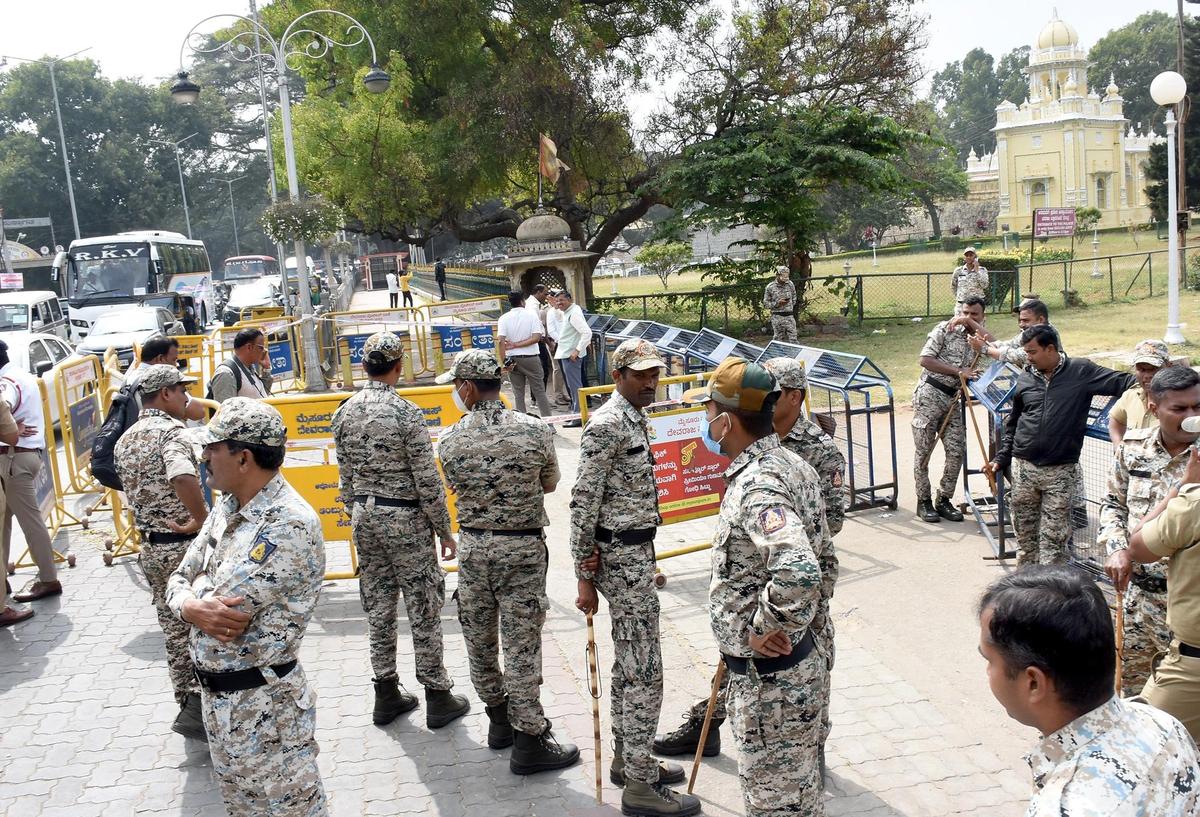
Authorities have intensified monitoring in and around the Mysuru Palace area following the blast, given its status as a major tourist attraction and a high-security zone. Police patrols have been increased, and civic officials have begun inspecting nearby commercial establishments to ensure that no hazardous materials are being stored illegally or without proper safeguards. The aim, officials said, is to restore public confidence and ensure that visitors and residents feel safe in the vicinity.
Hospital authorities treating the injured revealed that several victims are still under observation, with some suffering from serious burn injuries and trauma-related complications. Doctors noted that gas cylinder blasts often cause complex injuries due to a combination of fire, pressure waves, and flying debris. Medical teams are providing specialised care, including burn management and psychological counselling, as families anxiously await updates on their loved ones’ recovery.
The incident has also prompted the city administration to review emergency response mechanisms. Senior officials acknowledged that while first responders reached the site quickly, there is room for improvement in crowd management, access for ambulances, and coordination between departments. Plans are being discussed to conduct mock drills in busy areas, especially near heritage and tourist locations, to improve preparedness for fire and explosion-related emergencies.
Urban safety experts have pointed out that rapid commercialisation around heritage zones often leads to safety compromises. Temporary stalls, eateries, and storage units frequently operate in confined spaces with limited oversight. Experts argue that stricter zoning regulations and periodic audits are necessary to ensure that economic activity does not come at the cost of public safety, particularly in areas that attract large crowds daily.
The blast has reignited debate over the use of domestic and commercial gas cylinders in public spaces. While regulations mandate specific standards for storage, ventilation, and handling, enforcement remains inconsistent. Safety advocates are calling for mandatory training for workers who handle cylinders, clear labelling of expiry dates, and harsher penalties for unauthorised refilling or misuse.
Residents living near the blast site described lingering fear and anxiety even hours after the explosion. Many said the loud sound and sudden chaos reminded them of the potential dangers of living or working near crowded commercial hubs. Some families temporarily moved children and elderly members away from the area, underscoring the psychological impact such incidents have on communities.
Political leaders across party lines expressed condolences to the bereaved families and urged the government to take firm action. Several representatives demanded a detailed public report on the causes of the blast and the steps being taken to prevent recurrence. They emphasised that accountability must be fixed if negligence or regulatory failure is established.
Civic authorities have also appealed to the public to cooperate during inspections and to report any unsafe practices they observe. Helpline numbers are being circulated for citizens to flag concerns related to gas storage, illegal refilling units, or unsafe commercial setups. Officials stressed that public vigilance is a critical component of urban safety and can help authorities act before accidents occur.
From an economic perspective, local shopkeepers and vendors expressed concern that stricter enforcement could disrupt livelihoods. However, many also acknowledged that safety lapses put everyone at risk. Trade associations have suggested that the government provide guidance and support to small businesses to help them comply with safety norms without undue financial burden.
As investigations continue, forensic teams are expected to submit their findings in the coming days, which will determine the course of legal action. The final report is likely to address not only the immediate cause of the explosion but also systemic gaps in regulation and enforcement. For Mysuru, a city steeped in history and culture, the tragedy serves as a sobering reminder that safety must remain a priority amid growth and activity.
The district administration has assured assistance to the families of the victims, including compensation as per government norms. Officials have also stated that counselling and support will be provided to those affected by the blast, especially witnesses and injured individuals coping with trauma.
In the aftermath, authorities are considering intensified safety drives, including inspections of gas cylinders in hotels, roadside eateries, shops, and temporary establishments. Awareness campaigns on safe handling and storage of cylinders are also being discussed to minimise risks.
The rising death toll has transformed what initially appeared to be a local accident into a moment of collective introspection for the city. Authorities, residents, and policymakers now face the challenge of ensuring that lessons from this incident lead to concrete changes. Only sustained action, experts warn, can prevent such heartbreaking losses from repeating in the future.
Incident Details and Emergency Response
According to initial reports, the explosion occurred when a gas cylinder suddenly burst, causing a loud blast that was heard across nearby localities. Debris was scattered over a wide area, damaging surrounding structures and leaving several people injured. Eyewitnesses described scenes of chaos as thick smoke enveloped the area and people rushed to help those trapped or injured.
Fire and emergency services responded swiftly, extinguishing residual flames and conducting search operations to ensure no one was trapped under debris. The injured were immediately shifted to nearby hospitals, where doctors treated them for burns and impact-related injuries. Despite medical intervention, two victims could not be saved due to the severity of their injuries.
Police officials cordoned off the area as a precautionary measure and temporarily restricted movement near the site, considering the proximity to Mysuru Palace, a major tourist and security-sensitive location. Bomb disposal and forensic teams were also called in to rule out any other hazards and to assist in the investigation.
Investigation Into Cause and Safety Lapses
Authorities have launched a comprehensive investigation to determine what led to the cylinder blast. Preliminary assessments suggest improper handling, leakage, or faulty equipment may have caused the explosion, though officials have not ruled out other possibilities. The police are questioning individuals associated with the premises where the cylinder was stored or used, and records related to procurement and maintenance are being examined.
Safety experts have pointed out that gas cylinders, if not stored and handled according to prescribed norms, can pose serious risks, especially in crowded areas. Factors such as expired cylinders, defective valves, exposure to heat, or unauthorised refilling practices are known to increase the likelihood of explosions. Investigators are expected to submit a detailed report once forensic analysis is complete.
The incident has also drawn attention to regulatory oversight and enforcement. Officials from civic and safety departments are reviewing whether existing guidelines were followed and if regular inspections were conducted. Any lapses identified could lead to legal action under relevant safety and negligence laws.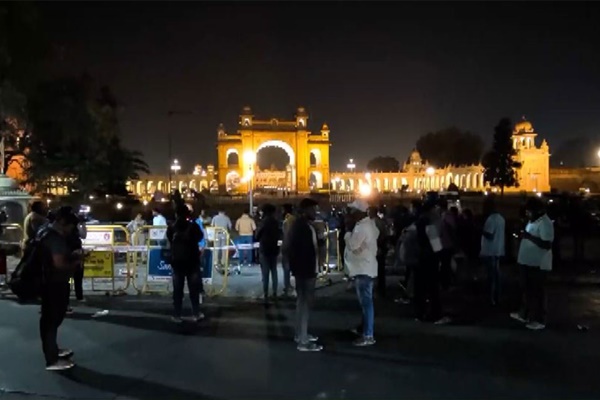
Public Reaction, Support Measures, and Way Forward
The deaths have triggered widespread sorrow and concern among residents of Mysuru, particularly given the location’s prominence and daily footfall. Community members and local leaders have expressed condolences to the families of the deceased and urged authorities to take strict action against negligence. The incident has also sparked discussions on social media, with many calling for tighter safety checks in commercial and residential areas.
The district administration has assured assistance to the families of the victims, including compensation as per government norms. Officials have also stated that counselling and support will be provided to those affected by the blast, especially witnesses and injured individuals coping with trauma.
In the aftermath, authorities are considering intensified safety drives, including inspections of gas cylinders in hotels, roadside eateries, shops, and temporary establishments. Awareness campaigns on safe handling and storage of cylinders are also being discussed to minimise risks.
As Mysuru mourns the loss of two lives, the cylinder blast near the palace stands as a stark reminder of the dangers posed by lapses in safety. Officials emphasise that strict compliance with safety regulations, regular inspections, and public awareness are crucial to preventing such tragic incidents in the future.
Follow: Karnataka Government
Also read: Home | Channel 6 Network – Latest News, Breaking Updates: Politics, Business, Tech & More
