
Janata Dal (Secular) will contest the upcoming local bodies elections independently, party patriarch and former Prime Minister H.D. Deve Gowda (HDD) announced on Tuesday, marking a significant political statement ahead of grassroots-level polls in Karnataka. The declaration underscores the party’s intent to reassert its independent political identity and reconnect directly with voters, even as alliance politics continue to reshape the state’s political landscape.
The announcement has triggered a flurry of activity within the JD(S) organisation, with district and taluk-level units beginning preparations for an independent campaign. Party offices across the state have been asked to compile detailed reports on local issues, potential candidates, and booth-level strengths and weaknesses. Leaders say this exercise will help the party tailor its campaign to the specific needs and concerns of each constituency rather than relying on broad, alliance-driven narratives.
Candidate selection is expected to be a critical factor in determining the party’s performance. Senior leaders indicated that preference would be given to individuals with strong local credibility, clean public images, and a proven record of community engagement. The leadership is also considering measures to ensure adequate representation for women, youth, and marginalised communities, viewing the local polls as an opportunity to promote inclusive leadership within the party structure.
The party’s decision has also sparked reactions from rival political formations. While some leaders from other parties downplayed JD(S)’s move as symbolic, others privately acknowledged that an independent contest could complicate electoral calculations, especially in closely fought regions. Political strategists note that even a modest vote share secured by JD(S) candidates could influence outcomes in multi-cornered contests.
Within JD(S), the move is being framed as a corrective step after years of alliance politics that, according to some party veterans, diluted its ideological identity. Leaders argue that constant adjustments to accommodate larger allies have often confused voters and weakened the party’s grassroots machinery. Contesting alone, they believe, offers a chance to reassert clarity and rebuild trust among traditional supporters.
H.D. Deve Gowda’s role in shaping the decision has also drawn attention. Despite his advanced age, the former Prime Minister continues to exert significant influence over the party’s strategic direction. His emphasis on grassroots democracy and local governance resonates strongly with long-time supporters, many of whom credit him with building the party’s rural base over decades.
Youth leaders within the party have welcomed the announcement, seeing it as an opportunity to emerge from the shadows of senior leadership. Several young functionaries said that local body elections provide a platform to prove their organisational skills and connect directly with voters. The leadership’s willingness to field fresh faces is being viewed as a positive signal for generational renewal within JD(S).
The decision could also have implications for post-election governance at the local level. In the event of fractured mandates, JD(S) representatives may hold the balance of power in several councils and panchayats. Party leaders have indicated that while they will contest independently, they are open to post-poll cooperation based on development priorities rather than rigid political alignments.
Observers note that the success of the strategy will depend heavily on messaging and campaign execution. JD(S) will need to clearly articulate why an independent contest benefits local governance and how it differs from the approaches of rival parties. Effective communication at the grassroots, particularly in rural areas, will be key to mobilising voters.
The broader political context also adds complexity. With state and national elections on the horizon in the coming years, the local body polls are being seen as a testing ground for parties to assess organisational strength and voter mood. For JD(S), the results could influence future decisions on alliances and negotiations at higher levels.
As preparations move into full swing, the party leadership has called for unity and discipline among workers. Internal differences, leaders warned, must be set aside to present a cohesive front to voters. Training programmes, review meetings, and outreach initiatives are being planned to ensure that the organisation is election-ready.
Ultimately, the choice to contest local body elections independently represents both a challenge and an opportunity for JD(S). It offers a chance to reconnect with its roots, energise its cadre, and demonstrate relevance in a competitive political environment. At the same time, it will test the party’s organisational resilience and electoral appeal. The coming months will reveal whether this solo path leads to renewed strength or exposes the hurdles the party must overcome to remain a significant force in Karnataka politics.
Speaking to party leaders and the media, Deve Gowda said the decision was taken after detailed consultations within the party, keeping in mind the long-term interests of JD(S) and the importance of strengthening its base at the local level. He stressed that local body elections are fundamentally different from Assembly or Parliamentary contests and should focus on grassroots leadership, local governance, and people-centric development rather than broader alliance compulsions.
The announcement has sparked fresh political debate, with analysts interpreting it as a strategic move aimed at revitalising the party’s organisational strength and testing its independent appeal among voters, particularly in its traditional strongholds.
Emphasis on Grassroots Identity and Cadre Strength
H.D. Deve Gowda emphasised that local bodies such as gram panchayats, taluk panchayats, and zilla panchayats form the backbone of democracy and should not be treated merely as extensions of state- or national-level political alignments. According to him, JD(S) has a strong history of nurturing grassroots leaders who understand local issues and are capable of delivering results without depending on alliances.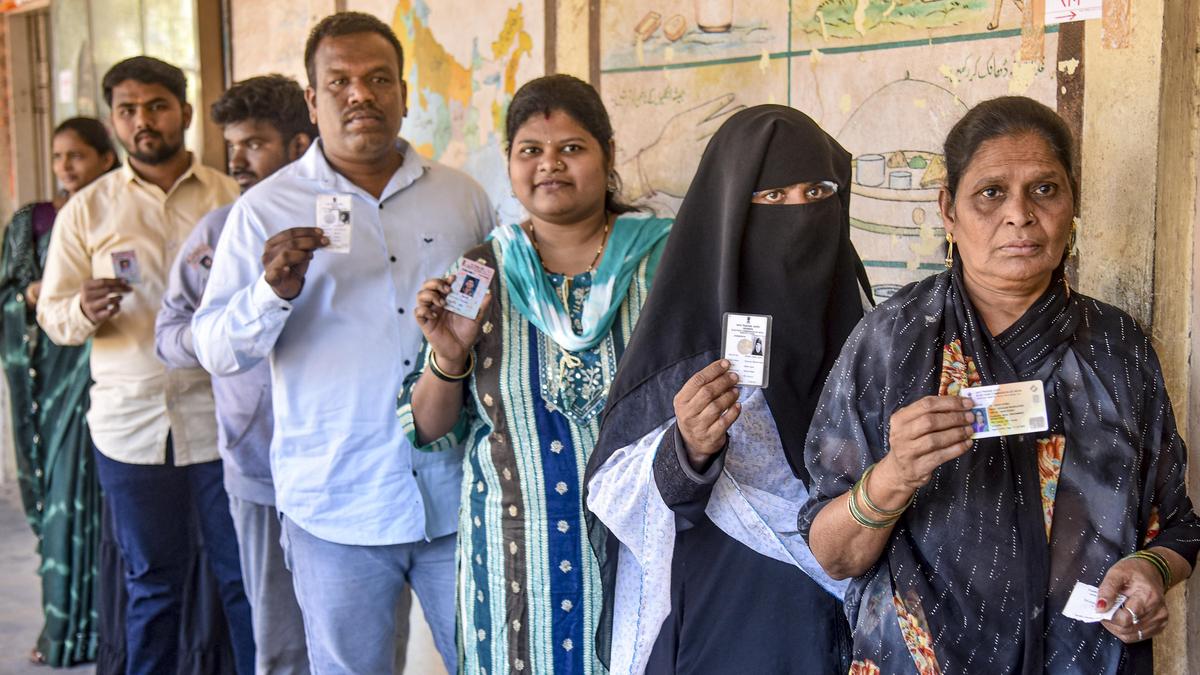
He noted that contesting independently would allow the party to give opportunities to committed workers who may otherwise be sidelined in alliance arrangements. By fielding its own candidates, JD(S) aims to energise its cadre, strengthen booth-level organisation, and rebuild direct engagement with voters across rural and semi-urban areas.
Senior party leaders echoed this sentiment, stating that alliances at the local level often create confusion among voters and workers alike. An independent contest, they argued, would provide clarity of purpose and messaging, helping JD(S) re-establish its ideological and organisational distinctiveness.
The leadership also highlighted that local elections are an opportunity to identify and groom future leaders. Winning or losing aside, the process of contesting independently is seen as crucial for assessing ground realities, understanding voter expectations, and preparing the party for future electoral battles.
Political Calculations and Alliance Dynamics: Janata Dal
The decision to go solo comes amid evolving alliance equations in Karnataka politics. While JD(S) has, at various times, aligned with both national parties at higher levels, Deve Gowda made it clear that such arrangements do not necessarily translate well to local governance structures.
Political observers believe the move reflects a careful balancing act. On one hand, JD(S) seeks to preserve flexibility in state and national politics; on the other, it wants to avoid being perceived as overly dependent on larger parties. Contesting local body elections independently allows the party to demonstrate relevance and bargaining power rooted in actual electoral performance rather than negotiated alliances.
There is also a strategic element tied to regional influence. JD(S) has traditionally enjoyed support in certain districts and regions, where local leaders wield significant influence irrespective of broader political trends. An independent contest could help consolidate these pockets of strength and potentially expand them if the party’s messaging resonates with voters dissatisfied with mainstream politics.
However, analysts caution that the decision is not without risks. Multi-cornered contests could split votes and benefit rival parties, especially in areas where JD(S) support has weakened in recent years. Much will depend on candidate selection, campaign coherence, and the party’s ability to mobilise its organisation effectively on the ground.
Message to Workers, Voters, and the Political Arena
For party workers, Deve Gowda’s announcement is being seen as a morale booster. Many at the grassroots level have long argued that local elections should prioritise committed workers with deep community ties rather than alliance-driven compromises. The decision reassures them that the leadership is willing to invest in rebuilding the party from the bottom up.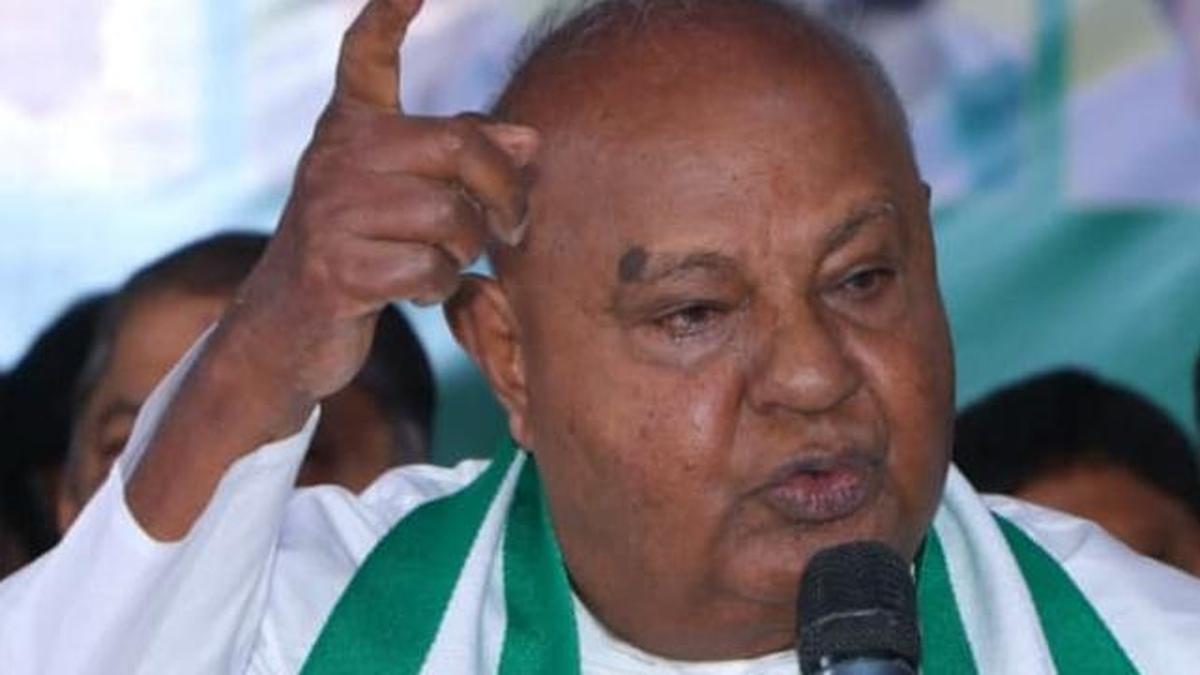
The message to voters is equally significant. By choosing to contest independently, JD(S) is positioning itself as a party focused on local governance issues such as drinking water, sanitation, rural roads, agriculture support, and employment generation. Leaders have indicated that the campaign will centre on practical solutions and accountability rather than high-pitched ideological rhetoric.
From a broader political perspective, the announcement adds a new layer of complexity to Karnataka’s electoral landscape. Other parties will now have to recalibrate their strategies, particularly in regions where JD(S) retains influence. The possibility of triangular or multi-cornered contests could alter traditional voting patterns and outcomes.
Deve Gowda also made it clear that the party remains open to issue-based cooperation in governance bodies after the elections, if required in the interest of development. However, he stressed that electoral independence is essential to protect the party’s core values and long-term vision.
As preparations for the local bodies elections gather pace, JD(S)’s decision to go it alone will be closely watched. Whether it leads to a resurgence of the party’s grassroots strength or exposes organisational challenges, the move marks a decisive moment in its political journey. For now, the message from the veteran leader is unmistakable: JD(S) intends to chart its own course at the local level, placing faith in its workers, its legacy, and the voters it seeks to serve.
Follow: Karnataka Government
Also read: Home | Channel 6 Network – Latest News, Breaking Updates: Politics, Business, Tech & More
