
Water safety failures expose residents to deadly illness as Indian families struggle with sudden loss
Water contamination has triggered deep grief across parts of Indore after a deadly outbreak of diarrhoea and vomiting claimed multiple lives and sent hundreds to hospitals. What began as stomach infections in a single neighbourhood quickly turned into a public health emergency, shaking confidence in the city’s basic civic systems.
Bhagirathpura, a densely populated area home to working-class and lower-middle-income families, became the centre of the crisis. Residents there unknowingly consumed polluted supply for days, leading to severe illness among infants, elderly people, and adults alike. For many families, the tragedy struck without warning.
Hospitals across the city reported a sudden surge in patients suffering from dehydration, loose motions, and fever. Over 200 people required hospital care, while thousands more showed symptoms during door-to-door health screenings conducted by authorities.
Water Supply Failure Leads to Widespread Illness
Water from household taps in Bhagirathpura was later found to be contaminated due to a damaged pipeline that allowed sewage to mix with the drinking supply. Officials confirmed that a leakage in the underground system caused the spread of infection, though the exact timeline of the failure remains under investigation.
Residents say the supply had smelled foul for weeks before the outbreak. Despite complaints, no immediate corrective action was taken. Many families continued using the supply for cooking, feeding children, and daily use, unaware of the serious danger it posed.
One grieving father described how his five-month-old son fell ill after consuming diluted milk prepared using tap supply. The child, who was otherwise healthy, developed severe diarrhoea and died within days despite medical treatment. Similar stories emerged from neighbouring homes, where elderly residents collapsed suddenly after falling sick.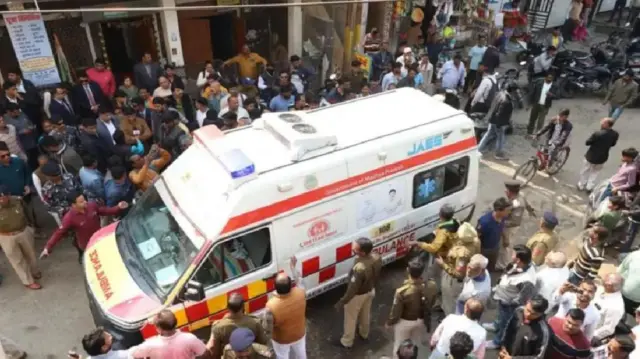
Government records have officially linked several deaths to the contamination, though local reports suggest the toll may be higher. Postmortem examinations are still ongoing, and authorities say final numbers will be confirmed only after medical verification.
Water Safety Concerns Raise Questions of Accountability
Water safety has now become a major concern for residents who feel neglected by the local administration. Many say repeated warnings about pipeline damage and poor quality supply were ignored until lives were lost.
Following public outrage, the municipal corporation acted by dismissing one official and suspending two others. Emergency tankers were deployed to provide clean supply, and residents were instructed not to use tap connections until further notice.
The state government announced the formation of a committee to investigate the incident and identify lapses. Senior officials assured that repairs have been completed and inspections are being carried out across nearby areas to prevent similar failures.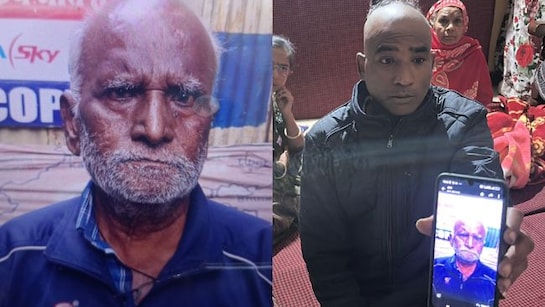
Politically, the incident has sparked sharp criticism. Opposition leaders accused the government of poor infrastructure management and alleged attempts to downplay the severity of the crisis. The ruling party, meanwhile, defended its response and promised stricter monitoring going forward.
For families in Bhagirathpura, assurances offer limited relief. Many households remain anxious about hygiene, medical costs, and the long-term impact on children who survived severe illness. Daily life has slowed as fear and uncertainty linger in the community. Also Read: Sewage in drinking water blamed for at least 10 deaths in India’s ‘cleanest city
Conclusion
Water contamination in Indore has revealed the fragile state of urban infrastructure and the heavy price paid when early warnings are ignored. As families mourn their losses, the tragedy stands as a reminder that access to safe supply is not just a service, but a basic right that demands constant care and accountability.
