
Karnataka witnessed staggering liquor sales in the last week of December, with total revenue reportedly reaching ₹1,669 crore, highlighting both the state’s robust alcohol market and the festive season’s consumption patterns. The figure, confirmed by the Excise Department, reflects a surge in purchases across retail outlets, bars, and restaurants, marking one of the highest weekly collections in recent years. Officials say the spike is typical of year-end celebrations, holiday gatherings, and seasonal demand, but the scale of revenue has drawn attention from policymakers and analysts alike.
The sales figures include both Indian-made foreign liquor (IMFL) and beer, with urban centres such as Bengaluru, Mysuru, and Hubballi contributing significantly to the total. Retailers reported high footfall during the week, particularly around Christmas and New Year festivities, with some outlets operating at full capacity to meet demand. Officials note that the state’s Excise policy and controlled pricing have helped streamline distribution and maximise revenue collection.
Government sources highlight that the ₹1,669 crore collection is not merely a reflection of consumption but also an important contributor to the state exchequer, funding welfare schemes and infrastructure development. The revenue from liquor sales forms a substantial portion of Karnataka’s annual budget, making seasonal spikes like December particularly significant for fiscal planning.
The surge has also prompted discussions around responsible consumption and public health. While the government benefits from excise revenue, experts caution that high sales volumes correlate with increased instances of alcohol-related health issues, accidents, and public disturbances. Authorities are emphasising awareness campaigns and strict enforcement of legal drinking ages, especially during peak seasons.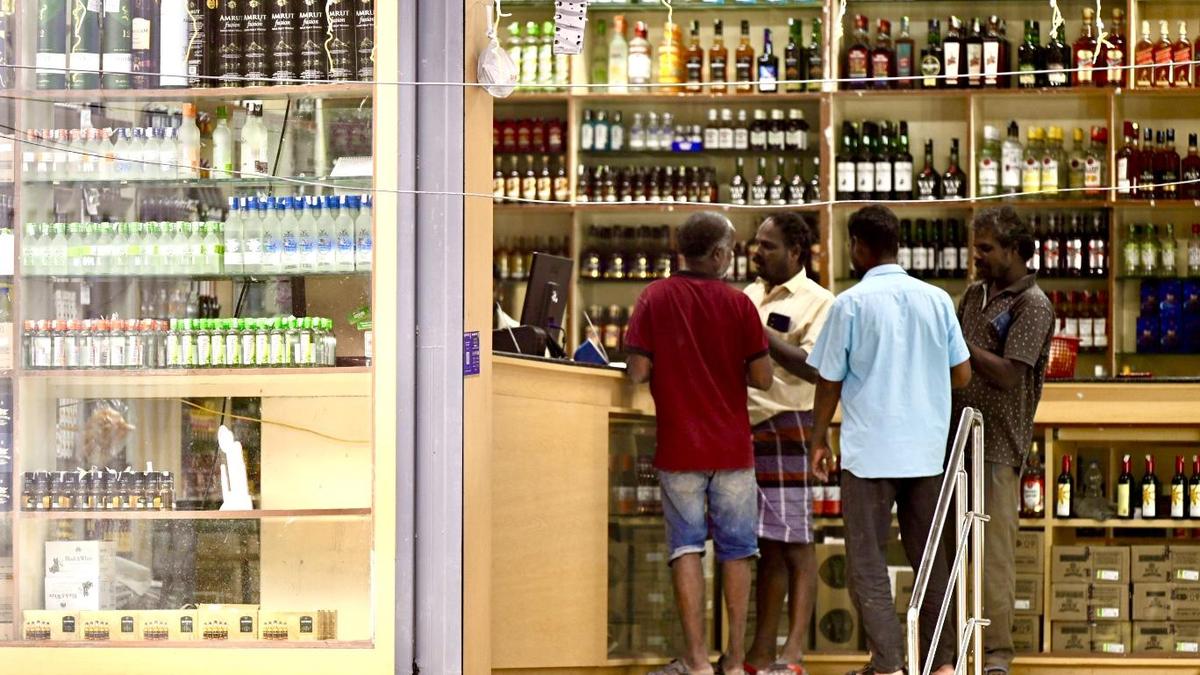
Retailers and distributors reported brisk sales of premium and mid-range brands, suggesting a shift in consumer preferences towards higher-quality products. Many attributed the increase to festive gifting trends and the return of social gatherings after periods of restrained celebrations. Small-scale local breweries and distilleries also saw improved sales, reflecting a broader trend of diversified consumption beyond mainstream liquor brands.
Urban policing and excise authorities intensified surveillance during the high-sales week to prevent illegal sales, overpricing, and the circulation of spurious liquor. According to officials, measures included frequent inspections, monitoring of online orders, and coordination with local police to maintain compliance with excise laws. These steps aim to balance robust sales with safety and legality.
Analysts view the December spike as part of a recurring trend in Karnataka’s liquor market, with end-of-year collections often exceeding normal weeks by 40–50 percent. While this contributes significantly to state revenue, it also raises questions about sustainability, the societal impact of alcohol consumption, and the balance between fiscal gains and public health considerations.
KARNATAKA ECONOMIC IMPACT AND SOCIAL CONCERNS
The revenue surge highlights the dual nature of alcohol sales in Karnataka’s economy. On one hand, the government’s excise collection supports a range of developmental initiatives, from urban infrastructure projects to social welfare schemes. On the other, high consumption levels bring challenges in terms of health care, law enforcement, and social responsibility. Experts stress the importance of public awareness campaigns, counselling services, and stricter regulation of drinking establishments to mitigate potential harms.
Seasonal spikes also create logistical pressures for distributors and retail outlets. Warehousing, transport, and staff management must be carefully coordinated to meet demand without creating shortages or black-market activity. The Excise Department has been working on digital inventory monitoring and real-time tracking systems to streamline supply and prevent misuse.
Public reaction to the sales figures has been mixed. While some view the revenue as a positive indicator of economic activity and consumer confidence, others express concern about the scale of alcohol consumption and its broader societal impact. Health professionals caution that excessive drinking, particularly during festive periods, can strain medical facilities and contribute to accidents, domestic issues, and chronic illnesses.
The government, while acknowledging these concerns, maintains that revenue from alcohol sales is vital for funding essential services. Officials emphasise that a balance must be struck between financial benefits and promoting responsible consumption, with targeted interventions during high-sales periods such as festivals and year-end celebrations.
The record collection in December serves as a reminder of the significant role liquor sales play in Karnataka’s economy. Policymakers, industry stakeholders, and social welfare experts now face the challenge of leveraging these revenues responsibly while minimising negative health and social outcomes. The trend sets the stage for future policy discussions on excise regulation, consumption patterns, and fiscal strategy.
The final week of December, with its ₹1,669 crore in liquor sales, stands as a benchmark for both revenue generation and the challenges of managing high-volume alcohol consumption. As Karnataka moves into the new year, authorities are expected to closely monitor sales trends, evaluate public health impacts, and refine strategies to ensure that economic gains do not come at the cost of societal well-being.
Authorities have indicated that similar monitoring and reporting will continue throughout the year, with special attention to festive peaks. By tracking trends and implementing proactive measures, the state aims to maintain strong excise revenue while promoting responsible drinking and community safety.
The December sales milestone is likely to influence budget planning, allocation of resources, and policy decisions for the coming fiscal year. While the figures demonstrate the economic weight of Karnataka’s liquor market, they also underscore the responsibility of both the state and citizens in balancing revenue with health, safety, and social welfare considerations.

The last week of December also highlighted stark urban-rural differences in consumption patterns. While metropolitan areas like Bengaluru and Mysuru accounted for a large chunk of premium liquor sales, smaller towns and semi-urban areas witnessed a notable increase in beer and locally produced spirits. Analysts suggest that rising disposable incomes and exposure to social media trends have contributed to a gradual shift in drinking preferences, with more residents willing to spend on branded products during festive seasons.
Retailers reported unprecedented crowds in stores, with some outlets imposing temporary purchase limits to manage demand and avoid stock depletion. Digital orders through online delivery platforms also surged, prompting authorities to monitor compliance with licensing laws for online sales. Officials noted that ensuring age verification and preventing black-market distribution remained key challenges during this high-consumption week.
The spike in sales has had a direct economic impact beyond state revenue. Supply chains, including packaging, transportation, and warehousing, experienced a surge in demand, creating temporary employment opportunities. Distributors and logistic firms reported higher operational costs due to the need for expedited deliveries, night shifts, and additional manpower to handle the influx of orders, reflecting the ripple effect of liquor consumption on the broader economy.
Bars, pubs, and restaurants, many of which were fully booked during the holiday week, contributed significantly to the total sales. Observers noted that social gatherings, private parties, and corporate celebrations played a critical role in boosting liquor consumption. Many hospitality businesses reported a mix of local residents and tourists, with New Year celebrations amplifying demand for premium spirits and champagne.
Health experts caution that such concentrated periods of high alcohol consumption can have short- and long-term public health consequences. Emergency departments in urban hospitals often see an uptick in alcohol-related cases during the festive season, including accidents, acute intoxication, and incidents of violence. The surge underscores the need for awareness campaigns and preventive measures alongside economic incentives for liquor sales.
Excise officials indicated that compliance checks were intensified during the last week of December. Authorities monitored pricing, stock limits, and licensing adherence to curb illegal sales and prevent adulteration. While the high revenue figures are celebrated by policymakers, they simultaneously reflect the potential risks of overconsumption and the challenges of enforcing regulatory oversight during peak periods.
Some economists have highlighted the dependency of Karnataka’s budget on liquor revenues. The state relies heavily on excise collections, which can constitute a significant portion of discretionary spending funds. While high sales weeks like the last week of December boost revenue inflows, they also raise questions about sustainability, public health costs, and the need to diversify state revenue sources to avoid over-reliance on alcohol taxation.
Social workers have pointed out that alcohol-related social issues often accompany high consumption periods. Family disputes, domestic violence, and public disturbances see a measurable rise, particularly during festival weeks. Local NGOs and community groups have called for a combination of awareness programs, counselling services, and stricter monitoring to ensure that revenue gains do not exacerbate social harm.
The liquor market’s performance also signals changing consumer behaviour. Experts suggest that premiumisation trends, with increased sales of branded whisky, wine, and imported spirits, indicate that consumers are willing to spend more on quality. This shift could influence pricing strategies, production planning, and market segmentation for distributors in the coming years, reshaping Karnataka’s alcohol industry landscape.
Looking ahead, the state government faces the dual challenge of maintaining robust revenue inflows while ensuring social responsibility. Policymakers are exploring measures such as staggered sales timings, stricter monitoring during peak seasons, and educational campaigns targeting responsible drinking. The December figures serve as both a financial boon and a reminder of the societal costs associated with high alcohol consumption, making careful management essential for sustainable governance.
Follow: Karnataka Government
Also read: Home | Channel 6 Network – Latest News, Breaking Updates: Politics, Business, Tech & More
