
Karnataka’s Higher Education Minister Sharan Prakash Patil has announced that there is a clear intention to conduct student elections in colleges across the state, marking a significant step toward strengthening student representation and democratic engagement within educational institutions. The announcement comes after months of deliberation, with stakeholders emphasising the importance of reviving campus-level democracy that had been on hold due to administrative and pandemic-related delays.
Speaking at a press briefing, Minister Patil highlighted that college elections provide students with a platform to voice their concerns, develop leadership skills, and actively participate in decision-making processes. “Our focus is to ensure that students have a democratic environment where they can elect their representatives freely and responsibly. These elections are crucial for building awareness about civic duties among young adults,” he said.
PLANS FOR IMPLEMENTATION AND SAFETY MEASURES
The minister confirmed that the state government is in the process of finalising guidelines to ensure smooth conduct of elections, including adherence to COVID-19 protocols where necessary, monitoring by college authorities, and strict compliance with election codes of conduct. Officials stated that comprehensive measures will be taken to prevent malpractice, maintain fairness, and safeguard students’ interests throughout the process.
Education department officials indicated that elections are expected to be conducted in phases, beginning with larger universities and colleges in urban areas before extending to smaller institutions in rural regions. Preparatory steps include voter registration verification, awareness campaigns, and training for polling officers to ensure transparency and accountability.
Karnataka’s Higher Education Minister Sharan Prakash Patil has announced the state government’s intention to conduct student elections across colleges, marking a significant step in restoring campus-level democracy that had been on hold in many institutions. The initiative aims to strengthen student participation in governance, enhance leadership development, and ensure that young adults have a platform to voice their concerns and actively engage in institutional decision-making.
Minister Patil emphasised that student elections are a vital component of democratic education. “Our focus is to ensure that students have a democratic environment where they can elect their representatives freely and responsibly. These elections are crucial for building awareness about civic duties among young adults,” he said. The move has been welcomed by educators, student organisations, and civil society groups as a positive effort to reinvigorate campus democracy.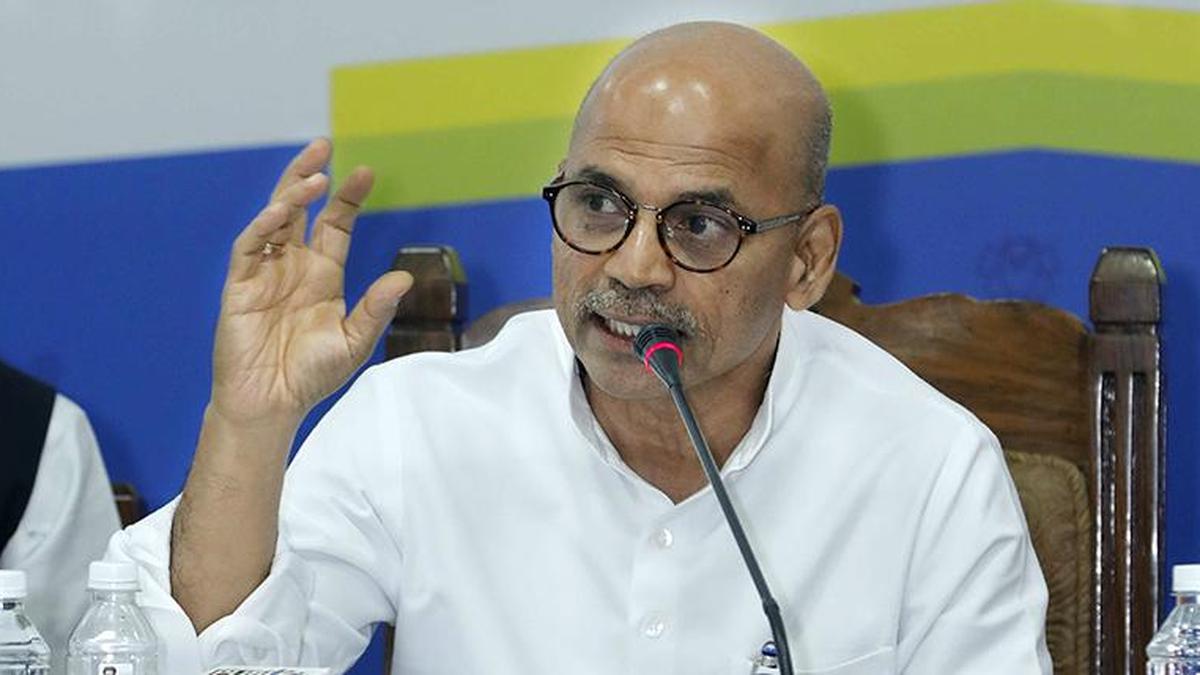
PLANS FOR IMPLEMENTATION AND LOGISTICAL PREPARATIONS
The government has outlined plans to ensure that the elections are conducted smoothly, transparently, and fairly. College administrations, in coordination with the Higher Education Department, will oversee the preparation and execution of the electoral process. Guidelines being finalised include voter registration verification, nomination procedures, campaign rules, polling processes, and grievance redressal mechanisms.
Election procedures are expected to follow strict codes of conduct to prevent malpractice and maintain fairness. Officials confirmed that observers will be appointed to monitor compliance with electoral rules and ensure impartiality. Preparations also include sensitisation of polling staff, training for security personnel, and deployment of electronic voting mechanisms in select colleges to streamline the process.
Authorities are considering phased implementation, beginning with urban colleges and universities before extending to smaller and rural institutions. This approach is intended to allow authorities to monitor challenges, gather feedback, and fine-tune procedures for subsequent phases. Minister Patil emphasised that student safety, transparency, and credibility will be central to all stages of the elections.
REVIVING CAMPUS DEMOCRACY AND STUDENT VOICE
The announcement comes at a time when student representation in governance has been limited due to administrative delays and pandemic-related restrictions. Student unions, faculty members, and alumni associations have long advocated for the revival of elections, arguing that campus democracy is essential for nurturing leadership, accountability, and civic responsibility.
Educators have highlighted that active participation in student governance allows students to address campus-level issues, including infrastructure, academic concerns, extracurricular activities, and welfare measures. Such involvement also encourages collaborative problem-solving and dialogue between students, faculty, and administration. Experts argue that practical exposure to governance at the college level equips students with skills that are valuable for professional and political careers.
Student leaders expressed optimism about the government’s move. Many believe that elections will provide an opportunity to raise awareness about student rights, promote inclusivity, and advocate for underrepresented groups. Campaigns for student elections often become platforms for policy discussions on topics ranging from campus safety and environmental initiatives to digital learning and cultural programs.
CHALLENGES AND SAFEGUARDS
While the announcement has been widely welcomed, authorities acknowledge potential challenges in conducting large-scale elections. Ensuring fairness, preventing coercion, and avoiding disruption of academic activities remain key concerns. Minister Patil assured that the administration would take strict measures against malpractice and that violations of electoral norms would be met with immediate action.
Security arrangements will include deployment of trained personnel at polling booths, monitoring of campaign activities, and strict enforcement of codes of conduct. College authorities are also working on strategies to address student grievances and complaints effectively. Officials emphasised that any attempts to intimidate voters or manipulate results would be treated as serious offences under existing laws.
The Higher Education Department is also considering digital initiatives to support the electoral process, including online voter verification, complaint registration portals, and awareness campaigns on social media. These measures aim to increase participation, reduce logistical hurdles, and make the process more accessible to students in remote or smaller institutions.
EXPERT OPINIONS AND STAKEHOLDER VIEWS
Legal and educational experts have welcomed the initiative, noting that student elections serve as a training ground for democracy. “Participating in campus governance teaches students about accountability, leadership, negotiation, and conflict resolution. These are essential skills for responsible citizenship,” said an academic expert from Bengaluru.
Parents and educators have also expressed support for the elections, highlighting their role in fostering discipline, responsibility, and civic awareness among students. College administrations are reportedly preparing to conduct awareness drives, workshops, and mock polls to familiarise students with the electoral process and encourage informed voting.
Student organisations emphasised that elections are not merely about leadership positions but about creating platforms for dialogue and collective decision-making. They expressed hope that the government’s proactive measures, including training, monitoring, and grievance mechanisms, will ensure a credible and meaningful electoral exercise.
BACKGROUND AND CONTEXT
Karnataka has a long history of college elections, which have traditionally played a central role in shaping campus life and leadership. However, in recent years, elections in many institutions were suspended due to administrative delays, security concerns, and the COVID-19 pandemic. The decision to resume elections reflects the government’s recognition of the importance of student engagement in institutional governance.
Previous student elections in Karnataka have often been marked by spirited debates, active campaigning, and high voter turnout. They have provided opportunities for students to address campus issues, influence policy decisions, and participate in cultural, social, and academic planning. Reviving these elections is seen as an essential step toward strengthening democratic practices at the grassroots level.
The Higher Education Department has also initiated consultations with university administrators, student representatives, and legal advisors to ensure that the upcoming elections are conducted smoothly. Recommendations include clear guidelines on campaign durations, polling schedules, eligibility criteria, and dispute resolution mechanisms. Authorities aim to create a framework that is fair, inclusive, and transparent.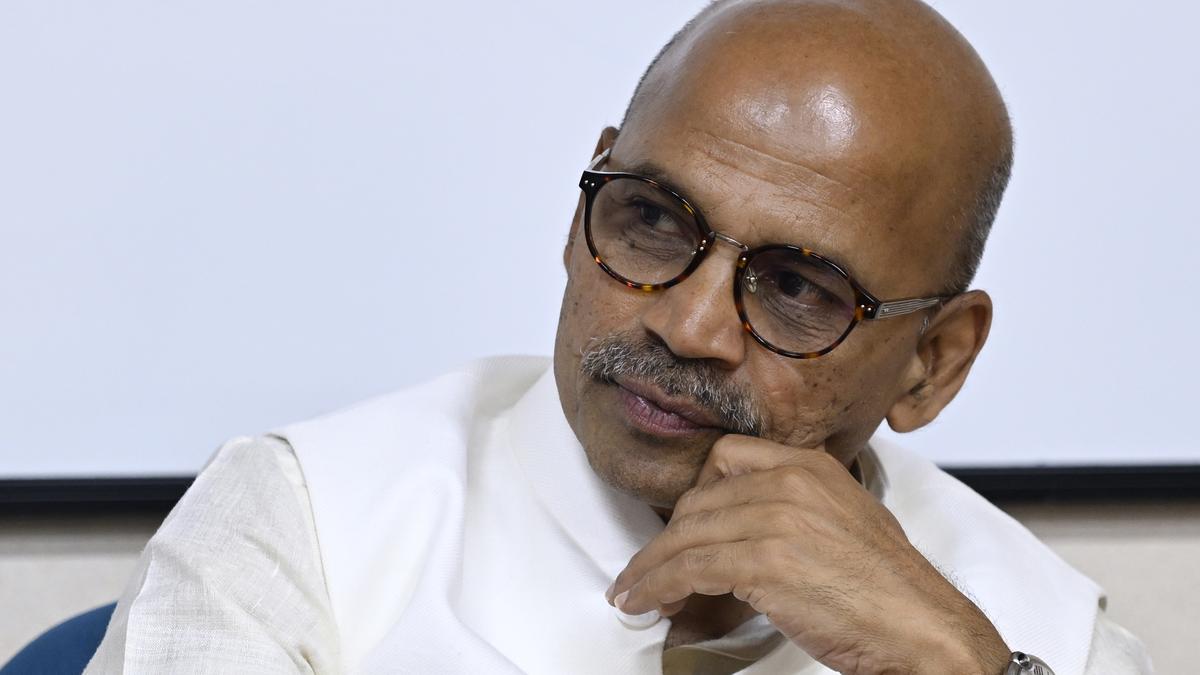
LOOKING AHEAD
Minister Patil underscored that the initiative to hold college elections reflects the government’s broader commitment to youth empowerment, democratic values, and participatory governance. “Students are the future of our state and nation. Ensuring they have a voice in their institutions is not just a responsibility; it is an investment in strengthening democratic culture at the grassroots level,” he said.
The upcoming elections are expected to engage tens of thousands of students across Karnataka. Authorities hope that active participation will promote inclusivity, fairness, and accountability, while providing students with firsthand experience in governance and civic responsibility. Officials stressed that a successful electoral exercise could serve as a model for other states and encourage similar initiatives nationwide.
Experts believe that the initiative could also have long-term benefits for Karnataka’s educational landscape. By fostering student participation and leadership, colleges can create a more dynamic academic environment, encourage debate and discussion, and strengthen connections between students, faculty, and administration. Stakeholders emphasised that reviving campus democracy is a critical step in shaping responsible and active citizens for the future.
Finally, the announcement has generated widespread optimism among students, educators, and civil society groups. Preparations are underway, and authorities are confident that with careful planning, robust monitoring, and community engagement, the elections will be conducted successfully, reinstating a culture of democratic participation in Karnataka’s colleges.
Stakeholders have welcomed the announcement, noting that student elections are an essential part of democratic education. Campus leaders and student unions have expressed optimism, emphasising that elections provide a platform to address local issues, promote inclusivity, and engage students in governance. Many believe that this move will also encourage active participation in wider political and social affairs beyond college campuses.
Minister Patil also highlighted the importance of maintaining neutrality and independence during the election process. He assured that the administration will not interfere in student political activities and that mechanisms will be in place to address complaints promptly. Authorities emphasised that fairness and transparency will remain central to the exercise, with observers appointed to monitor compliance with electoral norms.
The announcement has also sparked discussions on the role of student elections in shaping future leaders. Experts note that active involvement in campus governance can nurture leadership skills, decision-making abilities, and public accountability, which are valuable attributes for students as they transition into professional and political life.
Parents and educators have expressed support for the initiative, stating that participation in elections helps students learn practical lessons in responsibility, negotiation, and civic engagement. College administrations are reportedly preparing to organise debates, awareness drives, and campaigns to educate students about the voting process and the importance of informed decision-making.
Authorities have indicated that final dates for the elections will be announced after consultations with university administrators, student representatives, and legal advisors. The government plans to release official guidelines covering nominations, campaigning rules, voting procedures, and grievance redressal mechanisms to ensure a smooth and credible process.
Finally, Minister Patil underscored that the intention to hold college elections reflects the government’s commitment to democratic values, youth empowerment, and participatory governance. “Students are the future of our state and nation. Ensuring they have a voice in their institutions is not just a responsibility; it is an investment in strengthening democratic culture at the grassroots level,” he said.
Follow: Karnataka Government
Also read: Home | Channel 6 Network – Latest News, Breaking Updates: Politics, Business, Tech & More
