
In a landmark move to address water scarcity and promote sustainable industrial growth, the Bangalore Water Supply and Sewerage Board (BWSSB) has issued tenders to provide tertiary treated water to the Peenya Industrial Area, one of the largest industrial hubs in Bengaluru. The initiative marks a significant step toward resource-efficient water management and reflects the state’s commitment to supporting industries while conserving freshwater resources.
The BWSSB’s tender invites qualified contractors and private partners to supply tertiary treated water to industrial units, aiming to replace a portion of the groundwater and municipal water currently used in Peenya. The move is expected to ease pressure on the city’s freshwater supply and promote the adoption of recycled water for industrial processes, which often consume large volumes of water daily.
RATIONALE AND STRATEGIC OBJECTIVES
Peenya Industrial Area hosts thousands of factories and workshops, spanning sectors such as manufacturing, textiles, electronics, and metal processing. With rapid urbanisation and industrial expansion, water demand in the area has surged, putting immense pressure on groundwater reserves. Authorities noted that the over-extraction of groundwater has led to a decline in water tables, increased pumping costs, and environmental concerns.
By supplying tertiary treated water—water that has undergone extensive purification beyond secondary treatment—BWSSB aims to ensure that industries have a reliable and sustainable water source. Tertiary treated water is suitable for industrial use, cooling, cleaning, and other non-potable purposes, allowing freshwater reserves to be preserved for domestic consumption.
The initiative aligns with Karnataka’s broader water conservation and urban sustainability policies, which prioritise the reuse of treated wastewater to meet industrial and municipal demands. Experts emphasise that such measures are critical in rapidly growing urban centres like Bengaluru, where water scarcity poses a persistent challenge.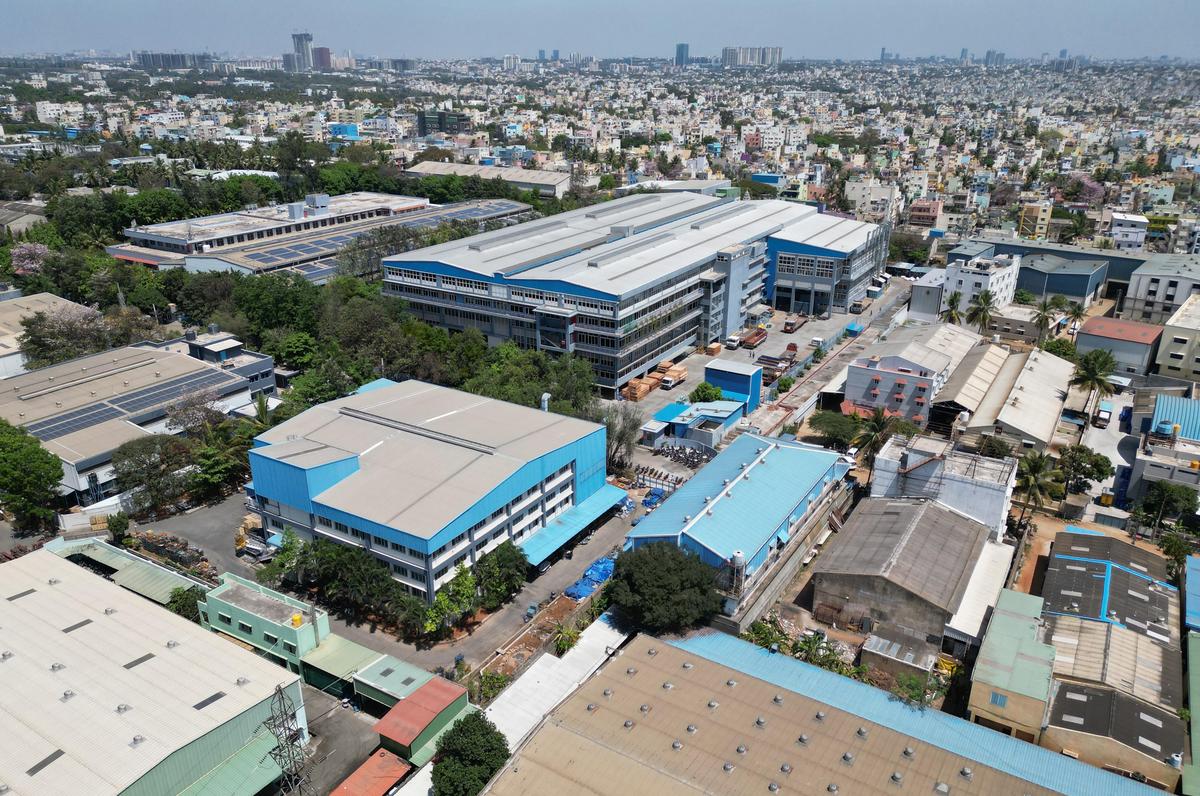
TENDER DETAILS AND PROCUREMENT PROCESS
BWSSB officials stated that the tender will be open to private contractors, water utility firms, and public-private partnerships capable of supplying treated water at the scale required for Peenya’s industries. The tender specifies the supply of several million litres per day, with infrastructure, distribution, and maintenance requirements clearly outlined.
Interested parties are expected to demonstrate technical capability, financial stability, and adherence to environmental and safety regulations. Officials emphasised that rigorous evaluation will ensure that only competent organisations are awarded contracts, with strict penalties for non-compliance or service disruptions.
The procurement process includes pre-bid meetings, technical and financial evaluations, and phased implementation plans. BWSSB stressed that transparency and accountability will be maintained throughout, with regular reporting and monitoring of water quality, distribution efficiency, and service continuity.
INDUSTRY IMPACT AND EXPECTATIONS
Industrial stakeholders have welcomed the move, highlighting the potential for reduced operational costs, reliable water supply, and compliance with environmental regulations. Industries in Peenya have long faced challenges due to intermittent municipal water supply and over-reliance on groundwater, which is increasingly unsustainable.
“The availability of tertiary treated water will allow industries to plan production schedules more efficiently, reduce dependency on borewells, and cut costs related to water procurement and treatment,” said a representative of a manufacturing association in Peenya. The initiative is expected to enhance productivity and support the industrial ecosystem by providing a sustainable, cost-effective water solution.
Experts also noted that adopting tertiary treated water aligns with global best practices in industrial water management. Many leading industrial clusters worldwide have implemented wastewater reuse strategies to conserve freshwater and reduce environmental impact, ensuring long-term sustainability.
ENVIRONMENTAL AND SUSTAINABILITY BENEFITS
From an environmental perspective, the project is expected to reduce groundwater depletion, preserve aquatic ecosystems, and decrease the energy required for pumping and treatment of freshwater. Tertiary treated water is often rich in nutrients and safe for non-potable industrial use, reducing the ecological footprint of industrial operations.
Officials emphasised that the initiative is part of Karnataka’s larger commitment to sustainable urban water management. By promoting the reuse of treated wastewater, the government seeks to balance economic growth with ecological responsibility, demonstrating that industrial development and environmental conservation can go hand in hand.
The use of tertiary treated water also mitigates the risk of over-extraction-related land subsidence, reduces contamination of natural water bodies, and fosters awareness among industries regarding responsible water practices. Experts suggest that such projects serve as models for other industrial clusters across the country facing similar water challenges.
INFRASTRUCTURE AND LOGISTICS
BWSSB plans to deploy dedicated pipelines, pumping stations, and storage facilities to transport treated water from sewage treatment plants to Peenya. Authorities confirmed that the project will be implemented in phases, beginning with high-demand zones and gradually expanding to cover the entire industrial area.
Monitoring systems, including flow meters, water quality sensors, and automated reporting tools, will be installed to ensure compliance with contractual obligations and water quality standards. Authorities emphasised that these measures will guarantee consistent supply, prevent leakage, and maintain operational efficiency.
The government has also stressed the importance of stakeholder engagement, with industries expected to collaborate in planning water use, maintaining pipelines, and promoting water conservation practices within their premises. Regular workshops and training sessions will be conducted to ensure that all users understand the protocols for handling tertiary treated water safely and efficiently.
CHALLENGES AND MITIGATION STRATEGIES
While the project offers significant benefits, officials acknowledged potential challenges, including infrastructure costs, maintenance requirements, and the need to ensure uninterrupted supply. To address these, BWSSB plans to implement robust contract management, periodic audits, and contingency measures to prevent service disruption.
Authorities also noted that public awareness and industry cooperation are critical. Educating factory managers, staff, and maintenance teams on proper handling and utilisation of tertiary treated water will help prevent contamination and ensure sustainability of the initiative.
Experts suggest that successful implementation in Peenya could pave the way for replicating similar projects in other industrial clusters across Karnataka, including Whitefield, Bommasandra, and Jigani, supporting the state’s long-term water conservation and industrial growth objectives.
POLICY IMPLICATIONS AND GOVERNMENT STRATEGY
The move is consistent with Karnataka’s broader water policy, which emphasises reuse, conservation, and efficient management of urban water resources. Authorities have identified industrial water demand as a priority area, recognising that sustainable solutions are essential to meet the needs of a growing urban-industrial population.
By formalising tertiary treated water supply through structured contracts, the government aims to create a transparent, accountable, and replicable model for industrial water management. Officials hope that this initiative will also incentivise industries to adopt water-efficient practices, reducing overall consumption and contributing to environmental stewardship.
FUTURE OUTLOOK AND EXPECTATIONS
BWSSB officials indicated that once operational, the project could supply several million litres of tertiary treated water per day, substantially reducing reliance on freshwater sources. The initiative is expected to enhance industrial resilience, provide economic benefits, and strengthen Karnataka’s reputation as a hub for sustainable industrial development.
Stakeholders are optimistic that the project will set a benchmark for public-private collaboration in urban water management. By demonstrating that treated wastewater can be effectively utilised for industrial purposes, Karnataka could inspire similar initiatives in other cities facing water stress.
The tendering process is expected to conclude within the next few months, after which detailed implementation plans, including pipeline routes, storage infrastructure, and operational timelines, will be finalised. Authorities have assured that the project will comply with environmental, safety, and quality standards throughout.
CONCLUSION: A SUSTAINABLE VISION FOR INDUSTRY AND WATER

The BWSSB’s initiative to supply tertiary treated water to Peenya Industrial Area represents a forward-looking approach to urban water management, combining industrial growth with ecological responsibility. By regulating supply, promoting recycling, and engaging stakeholders, the government aims to create a sustainable model that benefits industries, conserves freshwater, and enhances the city’s resilience to water scarcity.
Officials emphasised that long-term success will depend on collaboration between government agencies, industries, and the community. Regular monitoring, adherence to standards, and proactive management will ensure that the project meets both industrial and environmental objectives.
The initiative also underscores the state’s commitment to innovative solutions for urban challenges. By pioneering tertiary treated water supply for industrial use, Karnataka positions itself as a leader in sustainable industrial development and resource management, paving the way for other regions to adopt similar strategies in response to growing water stress.
Officials clarified that the use of tertiary treated water will also support the government’s broader goal of reducing industrial pollution. By diverting treated wastewater for industrial use, less untreated or partially treated effluent is discharged into rivers and lakes, helping improve water quality in Bengaluru’s urban water bodies. Environmentalists have welcomed this aspect, noting that the initiative could significantly reduce the ecological footprint of the city’s industrial zones.
BWSSB also indicated plans to implement a tiered pricing structure for the tertiary treated water supply. Industries with higher consumption may be charged a marginally higher rate, while smaller factories could benefit from subsidised rates to encourage adoption. Officials said this approach balances cost recovery with affordability and ensures that the scheme is financially sustainable over the long term.
In addition to water supply, the project is expected to generate employment opportunities in pipeline construction, water treatment plant maintenance, and monitoring operations. Authorities highlighted that the initiative would not only contribute to industrial efficiency but also provide indirect benefits to local communities by creating jobs and supporting ancillary services.
Experts emphasised that the success of the project will hinge on continuous monitoring and adherence to water quality standards. BWSSB officials have committed to regular testing, real-time reporting, and transparency to ensure that the tertiary treated water meets all safety and industrial specifications. This will also serve as a model for other industrial clusters across Karnataka looking to adopt sustainable water management practices.
Follow: Karnataka Government
Also read: Home | Channel 6 Network – Latest News, Breaking Updates: Politics, Business, Tech & More
