
Belagavi’s iconic Kala Mandir, long regarded as one of the city’s most important cultural and artistic spaces, is set to be leased out by the authorities, triggering an intense debate among artistes, cultural activists, local residents and policymakers. The decision, aimed at improving maintenance and financial sustainability of the decades-old auditorium, has raised concerns about the future character of the venue and its role in nurturing local art forms.
Officials said the move to lease out Kala Mandir comes after years of declining revenue, rising maintenance costs and limited public funds to manage the facility. While the administration insists that leasing is necessary to prevent further deterioration of the building, critics fear commercial interests could overshadow the cultural purpose for which the auditorium was established.
Kala Mandir has historically served as a platform for theatre, classical music, folk performances, literary events, school functions and civic programmes. Generations of artistes from Belagavi and neighbouring regions have performed on its stage, making it a symbol of the city’s cultural identity. The proposal to lease it out has therefore sparked emotional reactions, with many calling for safeguards to protect its legacy.
According to officials, the leasing process will be carried out through a transparent tender system, with conditions to ensure that the venue continues to host cultural activities. However, sceptics argue that once management shifts to a private entity, commercial priorities may gradually dominate, reducing access for local artistes and community groups.
The issue has gained political attention as well, with elected representatives receiving petitions from cultural organisations urging the government to reconsider or modify the proposal. As discussions intensify, Kala Mandir has become the focal point of a larger debate on how public cultural spaces should be managed in an era of shrinking public budgets.
Cultural observers pointed out that the debate around Kala Mandir reflects a wider struggle faced by public cultural institutions across Karnataka. With shrinking government budgets and increasing pressure to monetise assets, many auditoriums, libraries and museums are being pushed toward self-sustaining models. Critics argue that this approach risks redefining culture as a commodity rather than a public good. They said governments must recognise that cultural spaces deliver social value that cannot always be measured in financial terms, including community cohesion, artistic development and inter-generational learning.
Several artistes also raised concerns about artistic autonomy under private management. They cautioned that programming decisions could gradually prioritise commercially viable events over experimental or traditional art forms that attract smaller audiences. “Folk theatre, classical music and literary discussions may not always fill seats, but they are essential for cultural continuity,” said a senior performer. Without explicit safeguards, they said, such art forms could be sidelined in favour of corporate events, weddings and ticket-heavy entertainment programmes.
Officials, however, maintained that leasing does not necessarily imply cultural dilution. They said the proposed agreement would mandate a minimum number of cultural events annually and restrict the use of the auditorium for purposes unrelated to the arts. Authorities also indicated that government-sponsored programmes, school events and district-level cultural festivals would continue to receive priority access. “The intention is not to privatise culture but to protect infrastructure from decay,” an official said, adding that neglect would ultimately deprive artistes of the space altogether.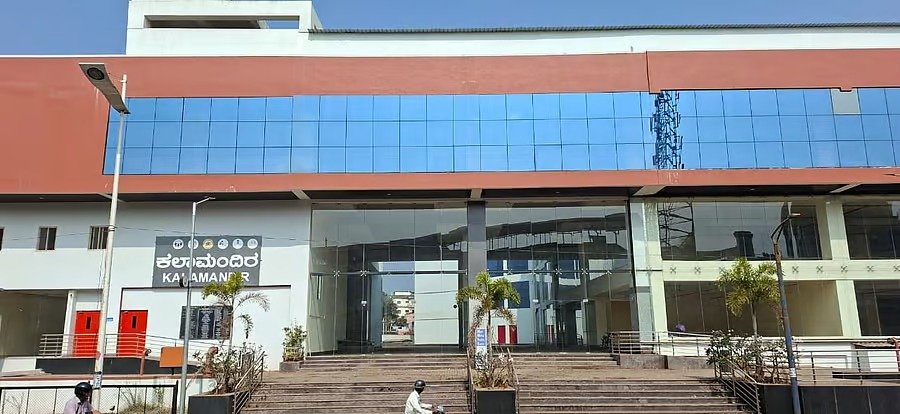
Urban planners weighed in, noting that Kala Mandir occupies a strategic location within the city and plays a role in Belagavi’s cultural geography. They said cultural venues contribute to urban identity and quality of life, attracting tourism and supporting local economies. Losing the public character of such spaces, they warned, could have long-term consequences for the city’s cultural ecosystem. Planners suggested integrating Kala Mandir into broader urban cultural policies rather than treating it as a standalone revenue-generating asset.
There were also calls for public consultation before finalising the lease. Civil society groups argued that decisions involving heritage and cultural assets should involve stakeholders, including artistes, residents and educators. They suggested holding public hearings to discuss lease conditions, user charges and governance mechanisms. “Transparency will build trust. Without it, resentment will grow,” said a representative of a local civic forum, urging authorities to treat the process as participatory rather than purely administrative.
Legal experts noted that while leasing public assets is permissible, the government retains responsibility to ensure that the original intent of the facility is preserved. They said lease agreements must be carefully drafted to prevent scope creep and misuse. Clear performance indicators, regular audits and termination clauses are essential, they said, to safeguard public interest. Without strong legal frameworks, critics warned, reversing the effects of commercialisation could become difficult once long-term leases are executed.
Meanwhile, younger cultural practitioners expressed cautious optimism, saying professional management could improve facilities if implemented responsibly. They pointed to issues such as outdated sound systems, inadequate backstage infrastructure and lack of accessibility for persons with disabilities. “If leasing brings better maintenance and technical upgrades without pricing us out, it could help,” said a young theatre director. However, they stressed that affordability and openness must remain non-negotiable.
As authorities prepare to move forward, Kala Mandir has become a symbol of the larger question facing urban governance: how to balance fiscal responsibility with cultural stewardship. The coming weeks are expected to see further dialogue between the government and stakeholders. Whether the leasing decision ultimately strengthens or weakens Belagavi’s cultural life will depend not just on policy intent, but on the care with which that intent is translated into practice.
Financial Pressures, Administrative Rationale and the Leasing Proposal
Officials from the urban local body and the cultural affairs department said Kala Mandir has been running at a loss for several years. They pointed out that revenue generated from ticketed events and hall rentals has been insufficient to cover expenses related to staff salaries, electricity, repairs and safety compliance. “The building requires continuous upkeep. Without a sustainable revenue model, it risks becoming unsafe and unusable,” an official said.
The proposal to lease out the facility, officials explained, is intended to shift the financial burden of maintenance to a professional operator while retaining ownership with the government. Under the proposed model, the lessee would be responsible for repairs, upgrades and day-to-day management, while paying a fixed lease amount to the authorities.
Authorities also argue that a professionally managed venue could attract a wider range of events, improve utilisation and generate higher revenue. They said many public auditoriums across the State face similar challenges and that leasing is increasingly seen as a pragmatic solution.
However, details of the lease conditions have become a point of contention. Cultural activists have demanded clarity on the duration of the lease, permissible activities, rental caps for cultural programmes and reservation of dates for government and community events. “Without strict conditions, the space could easily turn into a commercial event hall,” said a senior theatre practitioner from Belagavi.
There are also concerns about affordability. Artistes fear that increased rental charges under private management could make it difficult for local theatre groups, students and amateur performers to access the venue. “Kala Mandir was never meant to be a profit-driven space. It was created for people,” said a member of a local cultural trust.
Officials have sought to reassure stakeholders, saying that cultural use will remain mandatory and that the lease agreement will include clauses to protect the auditorium’s original purpose. They said feedback from the public would be considered before finalising the tender.
Cultural Legacy, Public Sentiment and the Road Ahead
For many in Belagavi, Kala Mandir is more than just a building. It represents decades of cultural memory, from landmark theatre productions to music concerts that introduced audiences to classical and folk traditions. Senior artistes recalled performing there early in their careers, describing the stage as a space that shaped their artistic journeys.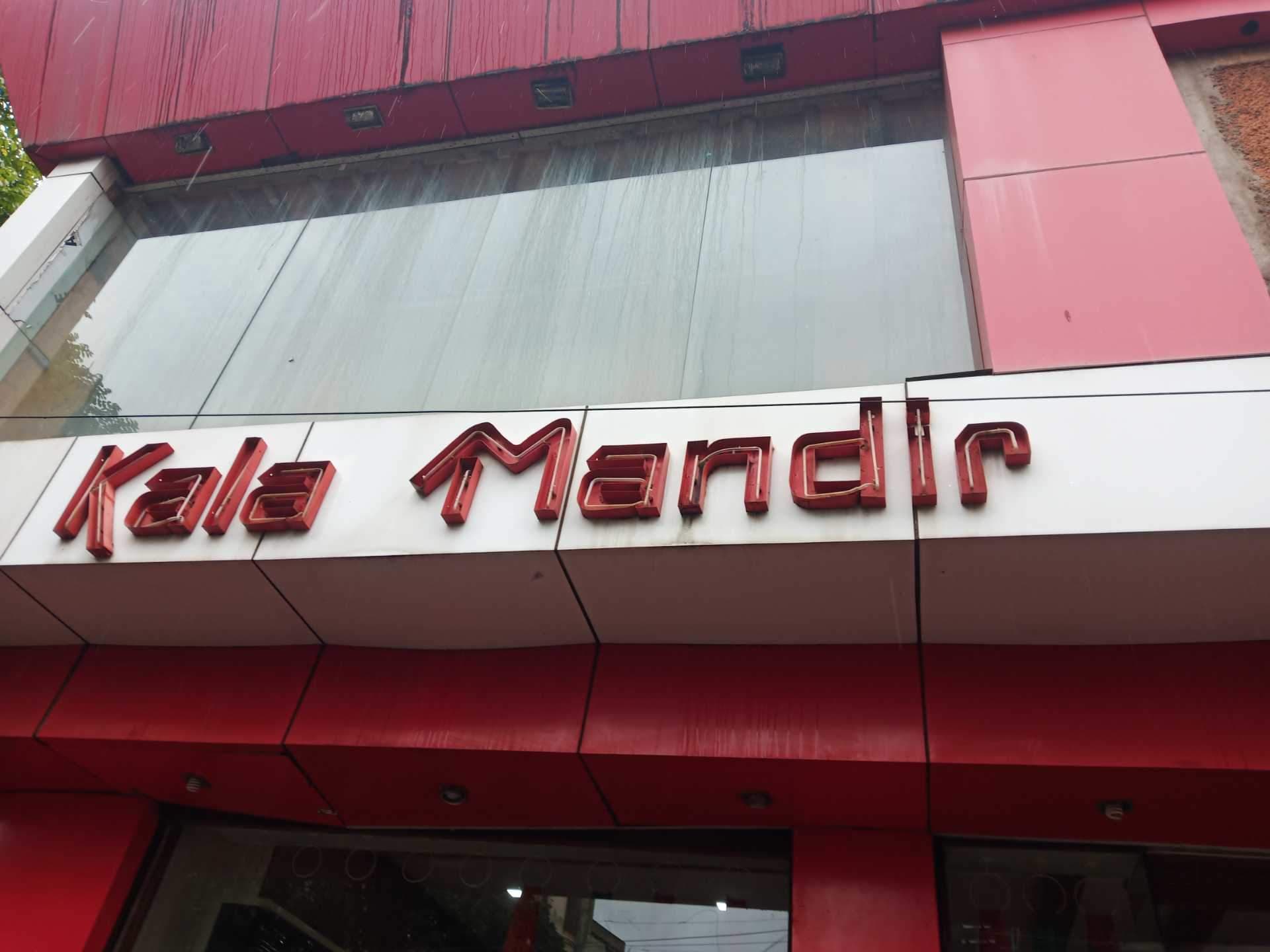
Local historians noted that Kala Mandir played a crucial role during periods when Belagavi lacked adequate cultural infrastructure. “It was one of the few spaces where serious art could thrive,” said a historian, adding that its decline mirrors a broader neglect of cultural institutions.
Public sentiment has been particularly strong among younger artistes and students, who see Kala Mandir as an accessible venue for experimentation and learning. Student theatre groups said losing affordable access would limit opportunities for exposure and growth. “Not everything can happen in expensive private halls,” said a college student involved in theatre.
Political reactions have been mixed. Some leaders have defended the leasing decision as unavoidable, citing financial constraints and administrative realities. Others have urged the government to explore alternative models, such as public-private partnerships with strong cultural oversight or increased funding for heritage institutions.
Civic groups have suggested forming a governing council comprising artistes, administrators and citizens to oversee Kala Mandir’s functioning, even under a leased model. They argue that shared governance could balance financial sustainability with cultural responsibility.
As the debate continues, the future of Kala Mandir hangs in the balance. The challenge for authorities lies in ensuring that the decision to lease does not dilute the soul of the institution. Whether the move becomes a model for reviving cultural spaces or a cautionary tale of commercialisation will depend on how sensitively it is implemented.
For now, Kala Mandir stands as a reminder that cultural infrastructure cannot be viewed merely through an economic lens. As Belagavi grapples with this crucial decision, many hope that the final outcome will honour the auditorium’s legacy while securing its future for generations to come.
Follow: Karnataka Government
Also read: Home | Channel 6 Network – Latest News, Breaking Updates: Politics, Business, Tech & More
