
Various organisations have demanded the immediate release of activists arrested in Vijayapura, triggering widespread debate over civic rights, law enforcement accountability, and political activism. The arrested individuals, reportedly involved in protests related to local governance issues, have become the focus of intense advocacy by civil society groups, human rights organisations, and student bodies. Supporters argue that the arrests are politically motivated and that the activists’ detention reflects a concerning trend of curtailing dissent. Authorities, however, maintain that the arrests were carried out following established legal procedures and cite public order concerns.
The activists were reportedly participating in peaceful demonstrations when they were taken into custody. Eyewitnesses claim that the protests were primarily aimed at highlighting local administrative issues, including infrastructure deficits, education facilities, and social welfare implementation. According to supporters, the arrested individuals were acting as part of organised civic campaigns to bring attention to community grievances, and their detention has sparked widespread outrage.
Several non-governmental organisations (NGOs) and advocacy groups have issued statements condemning the arrests. They argue that detaining individuals for exercising their constitutional right to protest undermines democratic principles. Campaigns have been launched demanding immediate release, legal assistance, and fair treatment of the activists, with protests and vigils taking place in Vijayapura and other districts.
The arrests have also drawn the attention of student organisations, trade unions, and professional associations, all of whom have voiced concerns about the implications of restricting civic participation. Demonstrators argue that suppressing dissent discourages public engagement and weakens mechanisms for accountability. Leaders from these organisations emphasised that activism plays a vital role in highlighting community concerns and shaping policy decisions.
Supporters have highlighted that the arrested activists were involved in campaigns aimed at addressing basic civic issues, such as water supply, sanitation, and education infrastructure. They claim that the government and local authorities have ignored repeated requests for dialogue, leaving peaceful protests as one of the few avenues for voicing grievances. By detaining activists, they argue, authorities are effectively silencing important community voices.
Human rights organisations have stepped in to provide legal assistance to the detained activists. Lawyers have been appointed to ensure their rights are protected, including access to legal counsel, timely hearings, and fair trial procedures. Advocacy groups have emphasised the importance of due process and have urged courts to expedite proceedings to prevent prolonged detention without clear charges.
CIVIL SOCIETY REACTIONS AND PUBLIC DEMANDS
Civil society groups have staged demonstrations outside Vijayapura police stations, demanding the activists’ immediate release. Speakers at these gatherings have called for transparency in the legal process and accountability for any alleged misuse of authority. Citizens attending the protests stressed that peaceful civic activism is a cornerstone of democracy and that arrests of this nature threaten public confidence in governance.
Organisations working on human rights, freedom of expression, and democratic engagement have sent petitions to higher authorities, including the state government and the National Human Rights Commission. These petitions highlight concerns regarding the proportionality of the response by law enforcement and call for measures to ensure that activists are not subjected to harassment, intimidation, or unfair treatment while in custody.
Social media platforms have amplified the issue, with hashtags advocating for the activists’ release gaining traction. Supporters argue that raising awareness online is a crucial tool to pressure authorities to respect constitutional rights. Online campaigns also encourage community participation, ensuring that the narrative of civic rights and activism reaches a wider audience beyond Vijayapura.
The incident has also prompted law enforcement agencies to reflect on engagement strategies with activist groups. Some officials have advocated for dialogue-based approaches to resolve disputes and protests peacefully, reducing the need for arrests and ensuring that grievances are addressed through consultation. Enhanced community policing and coordination with civil society are being discussed as preventive measures.
Local political leaders have weighed in, expressing mixed reactions. Some have urged the government to consider the demands for release, citing the importance of protecting peaceful civic activism. Others have defended law enforcement, stating that the arrests were necessary to maintain public order and that due process is being followed. This divergence of views reflects broader debates around civil liberties, governance, and political accountability.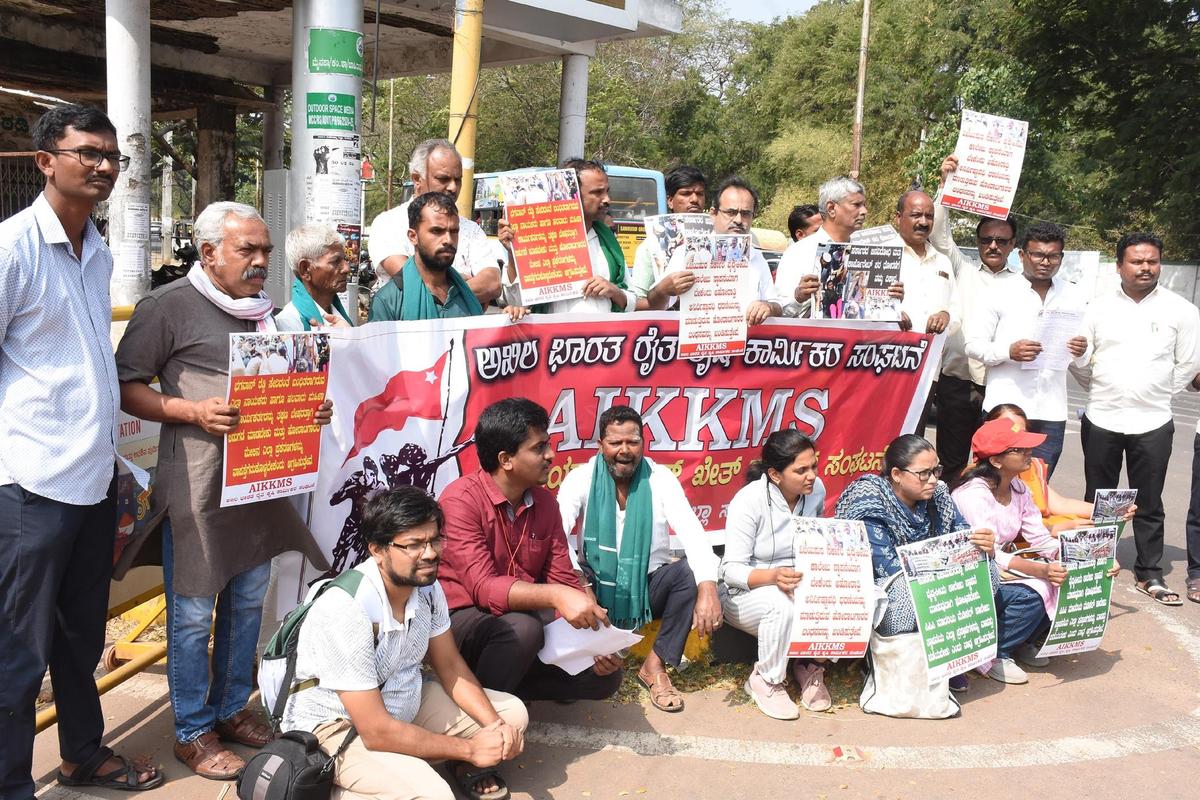
Trade unions and professional associations in Vijayapura have also expressed solidarity with the arrested activists. Meetings and conventions have been organised to discuss strategies for supporting detainees, including legal aid, public advocacy, and community mobilisation. Representatives emphasised that civic activism is essential for holding authorities accountable and addressing systemic issues that affect citizens’ daily lives.
The arrests have also prompted discussions in academic circles. Scholars and students argue that the right to protest is fundamental in a democracy and that restricting it sets a worrying precedent. Seminars and online webinars are being planned to discuss the legal frameworks governing protests, the role of civil society, and the balance between public order and individual freedoms.
LEGAL FRAMEWORK, POLICE ACTION, AND GOVERNMENT RESPONSE
Authorities have maintained that the arrests were carried out in accordance with legal provisions, citing potential violations of public order, traffic disruptions, and procedural lapses during demonstrations. Vijayapura police officials stated that the detained individuals are being treated in line with standard protocols and that investigations are ongoing. Law enforcement has emphasised that any decision regarding bail or release will be determined by the courts based on evidence and legal requirements.
Legal experts have highlighted that while governments have the authority to regulate public gatherings, such regulation must be balanced with constitutional protections. The Indian Penal Code and relevant sections of the Criminal Procedure Code allow for arrests when clear violations occur, but courts often scrutinise whether arrests were necessary, proportionate, and in line with civil liberties. In this context, the Vijayapura arrests are being closely monitored to ensure adherence to legal norms.
Human rights lawyers are emphasising that due process is critical to ensure justice for the detained activists. They argue that prolonged detention without charges, denial of legal counsel, or any form of intimidation could violate constitutional guarantees. Petitions filed by advocacy organisations request that the judiciary intervene to ensure fair hearings and timely adjudication of the case.
The state government has responded cautiously, acknowledging the public concern while stating that law enforcement was acting within legal limits. Officials emphasised that the situation is being reviewed, and any corrective measures necessary to protect rights and maintain order will be implemented. The government also expressed willingness to engage in dialogue with advocacy groups to address grievances and prevent escalation.
Observers note that the case reflects broader tensions between civic activism and law enforcement in India. Scholars argue that balancing public order with constitutional rights requires both restraint and accountability. They emphasise that resolving such conflicts transparently strengthens democratic institutions and ensures that citizens’ voices are heard without compromising safety or legal frameworks.
Social commentators have highlighted that arrests of activists, particularly during peaceful demonstrations, can have a chilling effect on civic participation. Residents expressed concerns that fear of detention may discourage others from voicing legitimate concerns about governance, infrastructure, and social issues. Advocates argue that protecting peaceful activism is essential to foster citizen engagement and community development.
COMMUNITY IMPACT AND FUTURE OUTLOOK
The arrests have mobilised various organisations to strategise ways to support civic activism while respecting legal processes. Workshops and public meetings are being planned to educate citizens about their rights, legal procedures during protests, and mechanisms for accountability. These initiatives aim to empower communities to participate actively in governance without fear of reprisal.
The incident has also prompted law enforcement agencies to reflect on engagement strategies with activist groups. Some officials have advocated for dialogue-based approaches to resolve disputes and protests peacefully, reducing the need for arrests and ensuring that grievances are addressed through consultation. Enhanced community policing and coordination with civil society are being discussed as preventive measures.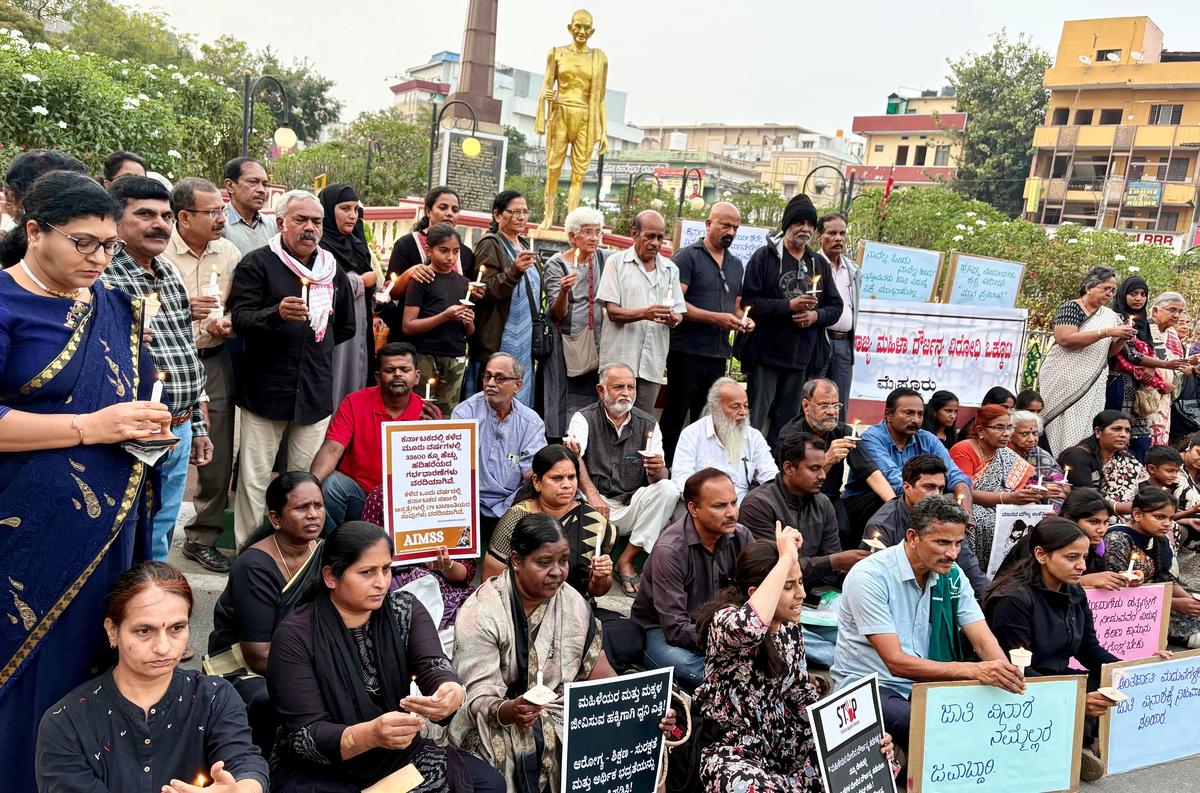
Economically and socially, the arrests have drawn attention to ongoing challenges in Vijayapura, including infrastructure deficits, civic services, and governance issues. Advocates argue that activists play a critical role in highlighting these gaps and ensuring that local authorities respond effectively. Protecting civic participation ensures that development initiatives align with public needs.
Educational institutions and youth organisations have become actively involved, encouraging students to understand the balance between civic rights and legal responsibilities. Seminars and workshops on constitutional rights, protest laws, and civic engagement aim to create informed citizens capable of advocating for change responsibly.
In conclusion, the arrests of activists in Vijayapura have sparked a multifaceted debate encompassing legal, social, and civic dimensions. Calls for their release underscore the importance of protecting democratic freedoms, ensuring due process, and promoting dialogue between citizens and authorities. As investigations continue and advocacy efforts intensify, the incident highlights the critical need to safeguard civic engagement while maintaining law and order in a democratic society.
With growing public attention, legal scrutiny, and community mobilisation, Vijayapura’s case could serve as a benchmark for balancing civil liberties, public protest, and law enforcement accountability in India. The resolution of this issue will have lasting implications for activists, authorities, and the broader civic landscape.
Follow: Karnataka Government
Also read: Home | Channel 6 Network – Latest News, Breaking Updates: Politics, Business, Tech & More
