
The six-day annual Sri Mailaralingeshwar festival will commence on January 12 at Mailapur village in Yadgir district, marking one of the most significant religious and cultural events in the region. The festival, dedicated to Sri Mailaralingeshwar, a revered folk deity, attracts thousands of devotees from across Karnataka and neighbouring States every year. Preparations are in the final stages, with the district administration, temple committee, and local volunteers coordinating arrangements to ensure the smooth conduct of rituals and crowd management.
The festival also holds deep anthropological significance, with historians and cultural scholars noting that the worship of Sri Mailaralingeshwar reflects syncretic traditions unique to the Deccan region. The deity is associated with folk beliefs that predate formal temple structures, blending Shaiva traditions with local customs. Oral narratives linked to the deity are narrated during the festival, keeping alive a rich legacy of storytelling that has been transmitted across generations without written records.
Devotees visiting Mailapur during the festival often undertake long journeys on foot, considering the pilgrimage an act of devotion and penance. Many begin their travel days in advance, stopping at shrines along the way. Such practices, elders say, reinforce spiritual discipline and collective faith. The sight of pilgrims walking in groups, chanting and singing devotional songs, is a defining feature of the festival period.
The Sri Mailaralingeshwar festival is also known for the participation of devotees who travel long distances on foot as part of their religious vows. Many pilgrims begin their journey days in advance, chanting devotional songs and observing rituals along the way. This tradition is seen as an expression of deep faith and endurance, and villagers often come forward to offer food, water, and shelter to the pilgrims. Such acts of collective support reinforce the festival’s spirit of unity and shared devotion across communities in the region.
Temple priests explained that each day of the festival holds distinct religious significance, with specific rituals performed at designated times. Special abhishekas, offerings, and night-long prayers form an integral part of the celebrations. Devotees believe that participating in these rituals during the festival period brings spiritual merit and fulfilment of wishes. The temple premises remain active from early morning till late night, creating an atmosphere charged with devotion and spiritual energy throughout the six days.
Cultural programmes organised alongside religious rituals draw large audiences, especially in the evenings. Folk theatre, devotional music, and traditional storytelling sessions are staged to narrate legends associated with Sri Mailaralingeshwar and local history. These programmes serve as a platform for local artists to showcase their talent and keep traditional art forms alive. Elders noted that such cultural expressions play a crucial role in passing down collective memory and values to younger generations.
Women play a prominent role in the festival, participating in group prayers, preparing offerings, and leading devotional songs. Many families observe specific household rituals during the festival period, aligning their daily routines with temple activities. Community kitchens organised by local groups provide free meals to devotees, reflecting the tradition of sharing and service that characterises the event. These collective efforts strengthen social bonds and highlight the inclusive nature of the festival.
Security arrangements have been strengthened in view of the large gatherings expected. Police personnel will be deployed in and around the temple town to regulate traffic, manage crowds, and prevent untoward incidents. Officials said coordination meetings have been held with temple authorities and local leaders to ensure smooth movement of devotees. Surveillance and emergency response teams will remain on alert throughout the festival, with a focus on ensuring the safety of women, children, and elderly pilgrims.
Sri Mailaralingeshwar annual festival
For the people of Yadgir district, the Sri Mailaralingeshwar annual festival is more than a calendar event. It is a reflection of regional identity, faith, and continuity. As devotees gather in Mailapur from January 12, the village is set to transform into a vibrant space of prayer, culture, and collective celebration. The festival stands as a reminder of the enduring role of traditional practices in sustaining community life in rural Karnataka.
Women play a significant role in festival rituals, especially in preparing offerings and organising community meals. Special dishes are prepared in households and shared among devotees, symbolising abundance and gratitude. Community kitchens function throughout the festival, ensuring that no devotee goes hungry. These shared meals strengthen social bonds and reflect the inclusive nature of the celebrations.
The role of local youth has expanded in recent years, with young volunteers assisting in crowd management, sanitation drives, and guiding pilgrims. Many see this as an opportunity to serve both faith and community. Youth groups also help coordinate cultural programmes, blending traditional performances with contemporary presentations that appeal to younger audiences while respecting ritual boundaries.
Artisans from surrounding districts travel to Mailapur during the festival to sell handcrafted goods, including traditional ornaments, wooden toys, and ritual items. For many artisans, the festival season provides vital income and exposure. Cultural activists have stressed the importance of supporting such traditional livelihoods, noting that festivals like this sustain craft ecosystems that might otherwise decline.
Security arrangements have been strengthened following lessons from previous years. Police officials said surveillance, crowd-control barricades, and emergency response teams are in place to handle peak-day rushes. Fire safety measures have also been introduced near temporary stalls and stages. Authorities emphasised that coordination between departments has been prioritised to prevent any untoward incidents.
Health officials confirmed that medical teams will be stationed at multiple points near the temple complex. First-aid centres, ambulances, and emergency response units have been set up to cater to elderly devotees and those undertaking physically demanding pilgrimages. Special attention is being given to heat-related issues, as large crowds are expected during daytime rituals.
The festival also serves as a platform for informal social reconciliation. Community elders note that disputes and misunderstandings are often resolved during such gatherings, as shared worship encourages dialogue and mutual respect. The temple premises become a neutral space where differences are set aside, reinforcing the festival’s role as a unifying social institution.
Educational institutions in the region have adjusted schedules to accommodate students participating in the festival. Teachers say the event provides a living classroom, offering lessons in history, culture, and social organisation beyond textbooks. Students are encouraged to observe rituals, document folk practices, and engage with elders to better understand regional heritage.
As the festival approaches, anticipation continues to build across Yadgir district. For devotees, the six days are a sacred pause from routine life, dedicated to reflection, devotion, and community. For Mailapur, the Sri Mailaralingeshwar annual festival remains a defining expression of identity, faith, and continuity, reaffirming its place as one of North Karnataka’s most enduring cultural traditions.
Sri Mailaralingeshwar is deeply rooted in the cultural and spiritual life of North Karnataka, particularly among rural communities. Devotees believe the deity to be a protector and a symbol of justice, and the annual festival is seen as a time to seek blessings for health, prosperity, and harmony. The Mailapur temple becomes a focal point of devotion during these six days, transforming the village into a vibrant centre of faith and tradition.
According to temple authorities, the festival will begin with traditional rituals and special poojas on the opening day, followed by a series of religious ceremonies, cultural programmes, and folk performances. Each day is marked by specific rituals that reflect age-old customs passed down through generations. Devotees often undertake vows, offer prayers, and participate in collective worship, reinforcing a strong sense of community bonding.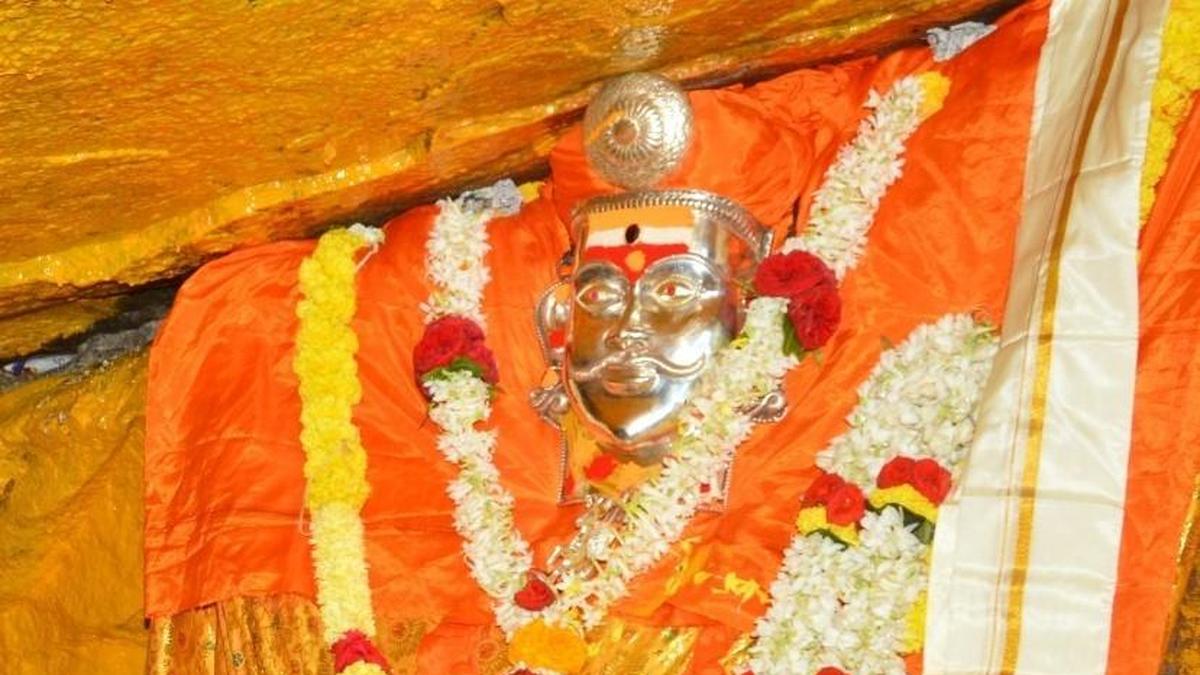
One of the highlights of the festival is the procession of the deity, which draws large crowds and is accompanied by traditional music, drums, and devotional chants. Folk art forms such as janapada songs, local dance performances, and storytelling traditions add to the festive atmosphere. These cultural elements not only enhance the spiritual experience but also help preserve regional heritage and oral traditions.
The district administration has made elaborate arrangements to manage the expected influx of devotees. Officials said measures have been put in place to ensure safety, sanitation, drinking water supply, and traffic regulation. Temporary shelters, medical camps, and police deployment have been arranged to handle emergencies and provide assistance to pilgrims. Authorities have also appealed to devotees to cooperate with officials and follow guidelines to ensure a safe and peaceful festival.
Local traders and vendors see the festival as an important economic opportunity. Temporary stalls selling food, religious items, toys, and household goods are a common sight during the event. For many families in and around Mailapur, the festival provides seasonal income and supports small-scale livelihoods. The increased footfall also benefits transport operators and local service providers.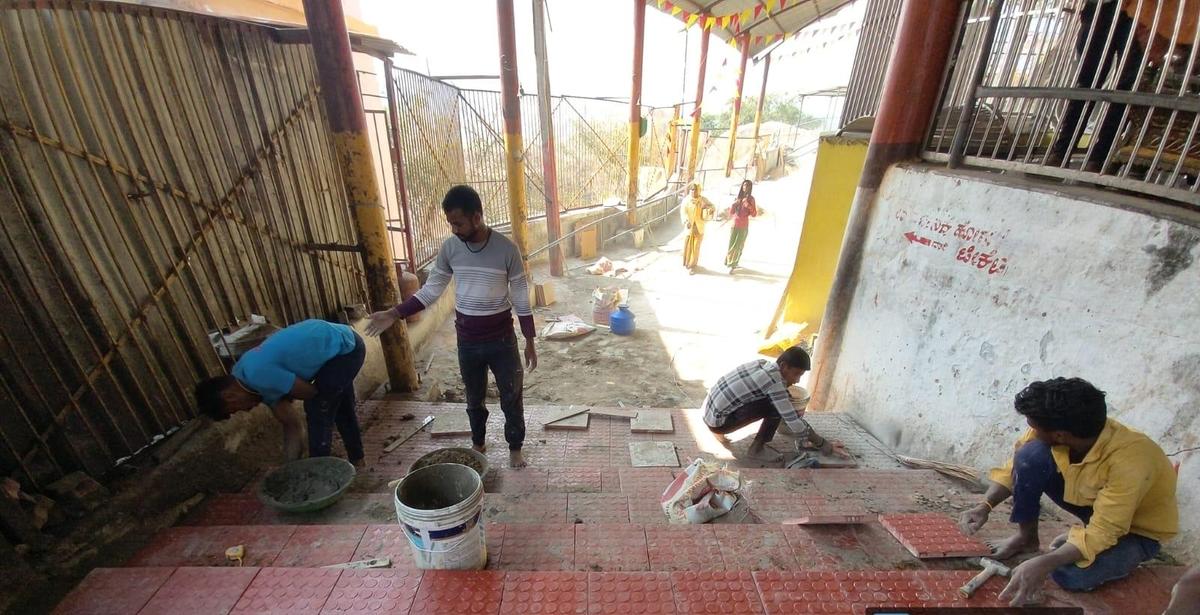
Residents of Mailapur take pride in hosting the annual festival, which they describe as a unifying event that brings together people from different backgrounds. Elders in the village noted that the festival has continued uninterrupted for decades, surviving social and economic changes while retaining its core spiritual essence. Younger generations actively participate in organising events, ensuring that traditions are carried forward.
Officials said that environmental and cleanliness measures are also being emphasised this year. Devotees have been encouraged to avoid plastic usage and maintain cleanliness in and around the temple premises. Volunteers will assist in waste management and awareness efforts throughout the festival period.
As the six-day celebration approaches, a sense of anticipation is palpable in Mailapur and surrounding villages. For devotees, the Sri Mailaralingeshwar annual festival is not just a religious observance but a reaffirmation of faith, tradition, and collective identity. With preparations in place, the festival is expected to unfold in a spirit of devotion, cultural richness, and communal harmony from January 12 onward.
Follow: Karnataka Government
Also read: Home | Channel 6 Network – Latest News, Breaking Updates: Politics, Business, Tech & More
