
Karnataka Excise Minister issued firm directions to officials to prevent the production and sale of illicit liquor and hooch in Yadgir district, underlining the government’s resolve to protect public health and social stability. Addressing excise officials during a review meeting, the Minister stressed that illegal liquor not only endangers lives but also destroys families and weakens rural communities already facing economic challenges.
He made it clear that negligence or complacency would not be tolerated and that officers would be held personally accountable for lapses. The directive came in the backdrop of recurring incidents linked to spurious liquor in different parts of the state, prompting renewed focus on prevention rather than reaction. The Minister emphasised that Yadgir, being a socio-economically sensitive district, required special vigilance and coordinated action.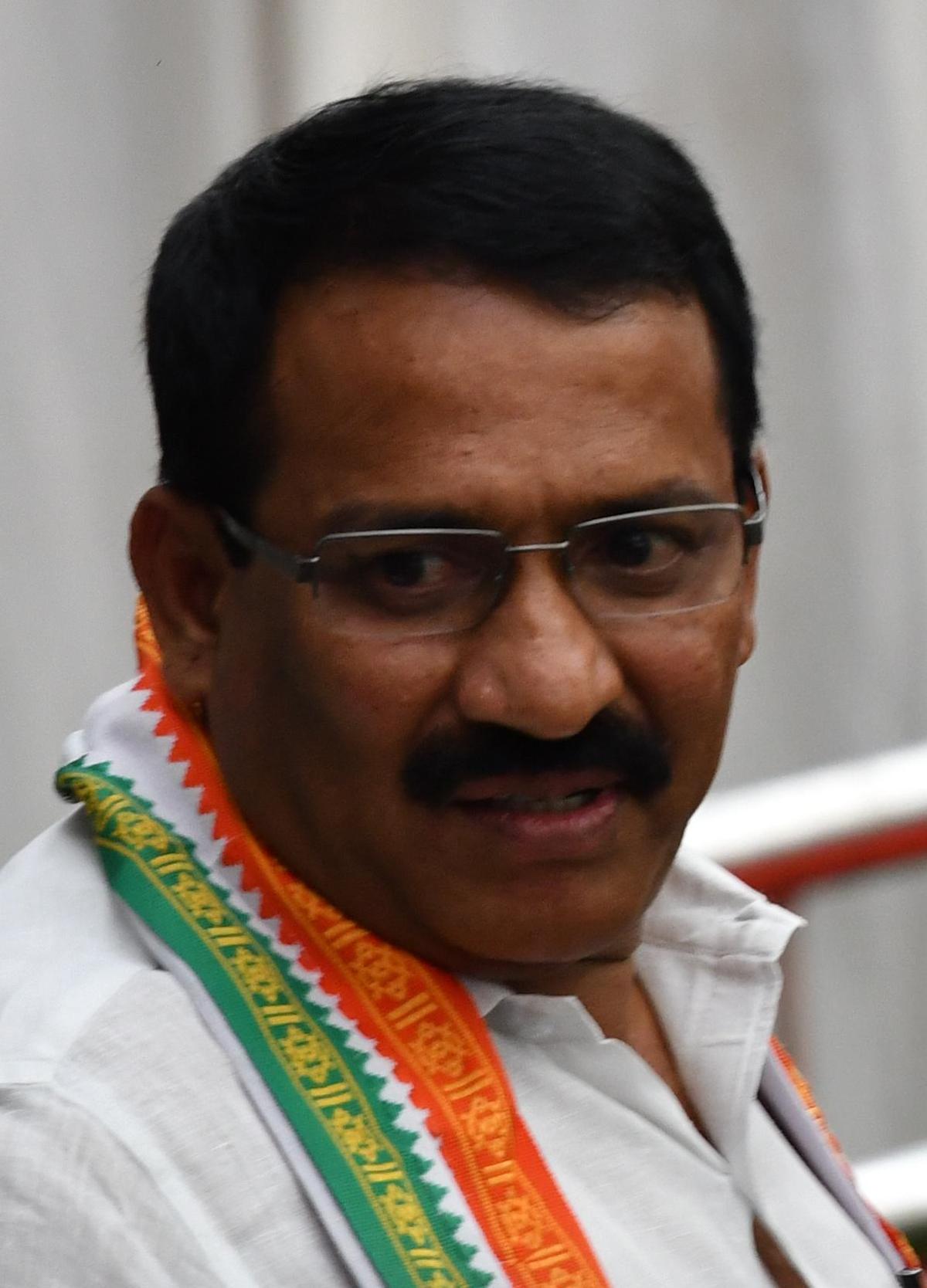
According to officials present at the meeting, the Minister instructed the department to strengthen intelligence gathering at the village level and closely monitor known vulnerable pockets. He said that enforcement must begin at the source, targeting the manufacture of illicit liquor rather than merely seizing finished products. The Excise Minister highlighted that hooch tragedies often occur due to delayed intervention and lack of local information. He urged officers to build trust with communities so that residents feel safe reporting illegal brewing activities. The government, he added, was committed to providing all necessary logistical and administrative support to ensure effective enforcement. His remarks were seen as a clear signal that the state intends to adopt a zero-tolerance approach towards illicit liquor.
Yadgir district has historically been identified as vulnerable due to poverty, unemployment, and limited access to awareness programmes on the dangers of spurious alcohol. Officials acknowledged that illicit liquor production often thrives in such conditions, exploiting addiction and economic distress. The Minister noted that while enforcement is crucial, addressing the problem also requires understanding the social realities that allow illegal brewing to flourish. He stressed the need for a humane yet firm approach, where enforcement is combined with awareness and rehabilitation efforts. The review meeting included discussions on past enforcement actions, gaps in monitoring, and the need for inter-departmental coordination.
The directive also gained political and administrative significance as the state government seeks to prevent any hooch-related fatalities, which often lead to public outrage and administrative scrutiny. The Minister reminded officials that every life lost due to spurious liquor represents a failure of governance. He urged them to treat the issue not merely as a regulatory challenge but as a moral responsibility. By placing accountability at the centre of his instructions, the Minister aimed to instil urgency and seriousness within the excise machinery. The meeting concluded with clear timelines and expectations, setting the stage for intensified action in the district.
The directive has also brought renewed focus on the role of local governance institutions in tackling the illicit liquor problem. Panchayat members and local representatives have been urged to cooperate closely with excise officials by sharing ground-level information and discouraging illegal activities within their jurisdictions. Officials noted that when local leadership actively participates, enforcement becomes more effective and socially accepted. The Excise Minister underlined that elected representatives have a responsibility to protect their communities from harmful practices and cannot remain silent spectators. Strengthening this coordination, he said, would help ensure that preventive measures reach the last mile.
As implementation begins in earnest, the government has indicated that progress in Yadgir will be reviewed periodically to assess outcomes and address shortcomings. Senior officials will submit regular reports on raids, awareness initiatives, and community engagement efforts. The Minister made it clear that the fight against illicit liquor cannot be a one-time drive but must evolve into sustained vigilance. The coming months will determine whether these directives translate into real change on the ground. For now, the message from the government is unambiguous: protecting lives from the dangers of hooch is a priority that demands unwavering commitment.
Crackdown Strategy and Administrative Accountability
The Excise Minister outlined a multi-pronged strategy to curb illicit liquor production in Yadgir, focusing on enforcement, intelligence, and accountability. He directed officials to conduct regular inspections in rural and forested areas where illegal brewing is often concealed. Surprise raids, he said, should become routine rather than exceptional, ensuring that offenders are unable to predict enforcement patterns. The Minister also called for closer coordination with the police and local administration to share intelligence and act swiftly on credible information. Such collaboration, he noted, is essential to dismantle networks involved in sourcing raw materials and distributing illicit liquor.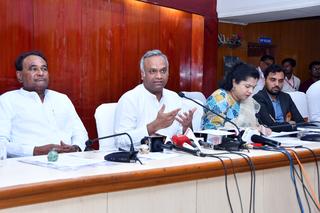
A key aspect of the directive was the emphasis on accountability within the excise department. The Minister warned that officers who fail to act on information or ignore illegal activities would face disciplinary action. He stated that mere seizure statistics are not enough and that officers must demonstrate sustained efforts to prevent recurrence. Regular reporting and field-level reviews were mandated to track progress and identify bottlenecks. Senior officials were instructed to personally supervise operations in high-risk areas, reinforcing the message that leadership must be visible and proactive. This focus on accountability aims to shift the department’s culture from reactive enforcement to preventive vigilance.
The Minister also addressed the issue of corruption, acknowledging that illicit liquor networks often survive due to collusion or indifference at lower levels. He stated unequivocally that any official found aiding or shielding illegal activities would face strict consequences. Transparency and integrity, he said, are non-negotiable when public safety is at stake. By publicly articulating this stance, the Minister sought to deter misconduct and restore public confidence in the excise machinery. Observers noted that such strong language reflects the government’s awareness of public sensitivity around hooch tragedies.
Technology was identified as another tool in the crackdown strategy. Officials were encouraged to use data mapping to identify hotspots and track repeat offenders. The Minister suggested leveraging mobile surveillance units and community-based reporting mechanisms to improve response time. While acknowledging resource constraints, he assured officers that proposals for additional manpower and equipment would be considered. The aim, he said, is to ensure that enforcement keeps pace with evolving methods used by illicit brewers. This forward-looking approach indicates a shift towards smarter, evidence-based regulation.
Public Health, Awareness, and Long-Term Prevention
Beyond enforcement, the Excise Minister stressed the importance of public awareness in preventing the production and consumption of illicit liquor. He noted that many hooch-related deaths occur because people are unaware of the lethal risks associated with spurious alcohol. The Minister directed officials to work with local bodies, health departments, and civil society organisations to conduct awareness campaigns in villages and urban slums. These campaigns, he said, should focus on educating people about the dangers of hooch and encouraging them to seek help for addiction. Awareness, he emphasised, is a critical component of prevention and cannot be neglected.
The Minister also highlighted the need for rehabilitation and support for those dependent on alcohol. He acknowledged that addiction often drives demand for cheap and illegal liquor. Addressing this demand, he said, requires accessible de-addiction services and counselling at the local level. The government, according to him, is exploring ways to strengthen such services in vulnerable districts like Yadgir. By combining enforcement with support mechanisms, the state hopes to tackle both supply and demand. This holistic approach reflects an understanding that illicit liquor is as much a social issue as it is a law-and-order problem.
Health officials attending the meeting pointed out that hooch consumption places immense pressure on rural healthcare systems, often leading to preventable deaths. The Excise Minister echoed these concerns, stating that prevention is far less costly than dealing with the aftermath of tragedies. He urged officials to treat early warning signs seriously, such as reports of sudden illnesses or deaths linked to alcohol consumption. Rapid response in such cases, he said, can save lives and prevent larger outbreaks. The integration of health surveillance with excise enforcement was identified as a key area for improvement.
Community participation emerged as a recurring theme during the discussions. The Minister stressed that local residents are often the first to know about illegal brewing activities. Creating an environment where they feel safe to report such activities is essential, he said. Officials were instructed to ensure confidentiality and protection for informants, building trust over time. The Minister also suggested involving women’s self-help groups and youth organisations in awareness efforts, recognising their influence at the grassroots level. Such community-centric strategies aim to make prevention a shared responsibility rather than a purely administrative task.
In the larger context, the directive to prevent illicit liquor production in Yadgir reflects the Karnataka government’s broader commitment to safeguarding vulnerable populations. Hooch tragedies have historically exposed gaps in governance and enforcement, often leading to public anger and loss of trust. By issuing clear instructions and emphasising accountability, the Excise Minister has sought to address these concerns proactively. The success of this initiative, however, will depend on consistent follow-through and sustained engagement at the ground level.
In conclusion, the Excise Minister’s directions mark a decisive step towards eliminating the menace of illicit liquor and hooch in Yadgir district. By combining strict enforcement, administrative accountability, public awareness, and social support, the government aims to prevent loss of life and protect community well-being. The emphasis on prevention over reaction signals a shift in approach that, if implemented effectively, could serve as a model for other vulnerable districts. As officials begin to act on these directives, the real test will lie in translating intent into lasting impact. For the people of Yadgir, the hope is that strong action today will ensure safer and more secure lives tomorrow.
Follow: Karnataka Government
Also read: Home | Channel 6 Network – Latest News, Breaking Updates: Politics, Business, Tech & More
