
A woman lost her life in a tragic elephant attack in Hassan district, sending shockwaves through nearby villages and reigniting concerns over escalating human–wildlife conflict in the region. The incident occurred in a forest-fringe area where residents have long reported frequent movement of wild elephants near agricultural land and habitations. What began as an ordinary day for the victim ended in a devastating encounter that has left the local community grieving and fearful. The incident has once again highlighted the fragile balance between wildlife conservation and human safety in Karnataka’s forest-adjacent districts.
Beyond immediate administrative action, conservationists argue that the Hassan tragedy should serve as a turning point in how human–wildlife conflict is addressed at the policy level. They stress that piecemeal interventions following deaths rarely produce lasting change. Instead, a district-wise conflict mitigation plan, tailored to local geography and elephant movement patterns, is essential. Such plans must be backed by consistent funding, trained personnel, and political will. Without institutional commitment, experts warn that each fatal incident will continue to be treated as an isolated event rather than a symptom of a deeper ecological crisis.
Another critical concern raised after the incident is the lack of reliable data-sharing between forest officials and local communities. Villagers often complain that information about elephant movement reaches them too late or not at all. In the Hassan case, several residents claimed they were unaware that a tusker was active nearby on the day of the attack. Wildlife specialists suggest that community alert networks, involving local volunteers, forest guards, and village leaders, could significantly reduce response time and prevent surprise encounters.
The role of infrastructure development has also come under scrutiny. Roads, railways, and irrigation projects in and around forest areas have fragmented habitats and altered traditional elephant routes. Environmentalists point out that development projects often proceed without adequately factoring in wildlife movement, increasing conflict zones. The Hassan incident has revived demands for stricter environmental assessments and mandatory wildlife passages in development planning to ensure that animal corridors are not permanently disrupted.
Social activists working in forest-border regions highlight that women are often disproportionately affected by such incidents. They are more likely to be outdoors during early mornings and evenings for household chores, water collection, or farm work. The death of the woman in Hassan has brought renewed attention to gendered vulnerability in wildlife conflict, prompting calls for targeted safety measures, awareness programmes, and support systems specifically designed for women in high-risk areas.
As the district mourns yet another life lost, there is growing consensus that coexistence cannot rely solely on cautionary advisories to villagers. It requires structural change, ecological sensitivity, and long-term planning that places human dignity and wildlife conservation on equal footing. The Hassan tragedy stands as a somber reminder that unless systemic gaps are addressed urgently, forest-edge communities will continue to live under the shadow of fear, and preventable deaths will remain a painful reality.
According to preliminary information from forest and police officials, the woman was attacked by a wild elephant that had strayed close to human settlements. Residents who heard distress cries rushed to the spot but were unable to intervene due to the animal’s aggressive behaviour. By the time forest personnel arrived, the woman had succumbed to severe injuries. Her body was later shifted for post-mortem examination, and officials initiated formal procedures. The death has intensified demands for immediate preventive measures, compensation, and long-term solutions to recurring elephant incursions.
The Hassan district administration has acknowledged that elephant movement in the area has increased in recent months, particularly during early mornings and late evenings. Locals say repeated warnings have been issued in the past, but the lack of permanent solutions has left communities vulnerable. The woman’s death has not only caused personal tragedy for her family but has also deepened anxiety among residents who live and work near forest boundaries, often with limited protection.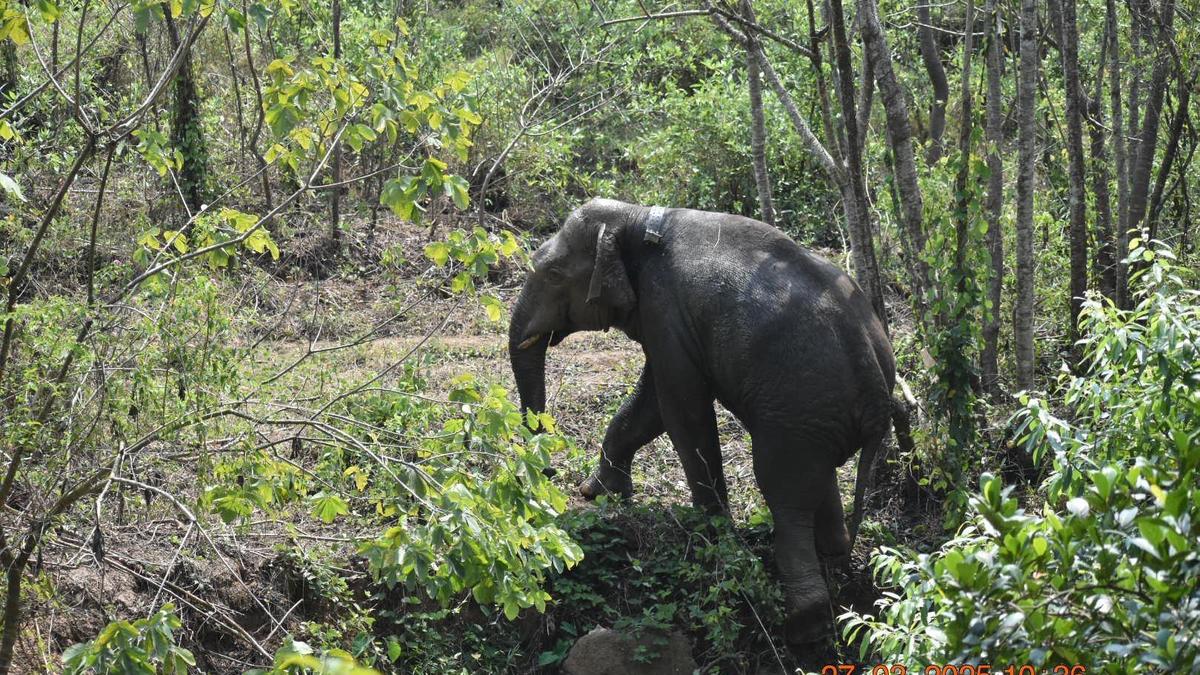
Forest officials have described the incident as deeply unfortunate and have assured that steps are being taken to monitor elephant movement and prevent further encounters. However, villagers argue that assurances alone are no longer enough, as similar incidents have occurred in the past. The latest fatality has turned attention once again to systemic gaps in wildlife management, early warning systems, and coordination between forest authorities and local administrations.
Rising Human–Elephant Conflict in Hassan Region
Hassan and neighbouring districts have increasingly become hotspots for human–elephant conflict due to shrinking forest corridors, expanding agriculture, and fragmented habitats. Elephants, which traditionally migrate along established routes, are now forced to pass through farmlands and villages in search of food and water. Forest experts note that the destruction of natural corridors and increased human activity have disrupted elephant behaviour, making encounters more frequent and unpredictable.
Residents in forest-border villages report that elephants often enter fields to feed on crops such as ragi, sugarcane, and paddy, causing extensive damage. In many cases, farmers attempt to chase the animals away using firecrackers or loud noises, a practice that can provoke aggressive responses. Officials caution that such actions, though driven by fear and desperation, often increase the risk of fatal attacks. The Hassan incident is believed to have occurred during one such close encounter near human habitation.
The woman who died is said to have been engaged in routine activity when the elephant appeared unexpectedly. Witnesses say there was little time to react or seek safety. Forest officials confirmed that the elephant involved was a wild tusker that had been moving across multiple villages over the past few days. Tracking teams had been monitoring its movement, but the speed and unpredictability of the animal made intervention difficult.
Human–elephant conflict has resulted in multiple casualties across Karnataka over the years, affecting both humans and animals. Elephants are sometimes injured or killed in retaliation, through electrocution, poisoning, or accidents. Conservationists argue that such outcomes are tragic for both sides and reflect deeper failures in land-use planning and wildlife protection. The Hassan death has renewed calls for science-based conflict mitigation strategies that prioritise both human safety and animal welfare.
Forest department data indicates that compensation claims related to crop loss and human injury or death due to wildlife encounters have steadily risen. While compensation provides some relief, affected families often say it cannot replace lives lost or address the psychological trauma caused by such incidents. The woman’s family in Hassan has been assured financial compensation, but relatives and neighbours say the loss has left an irreplaceable void.
Experts emphasise that early warning systems, such as real-time alerts through mobile networks and community-based monitoring, can significantly reduce risks. In some regions, trained elephant task forces and watchtowers have helped prevent casualties. However, residents in Hassan allege that such measures are either absent or inconsistently implemented, leaving them exposed to danger.
Community Fear, Administrative Response, and the Way Forward
The woman’s death has triggered fear and anger among villagers, many of whom are now reluctant to step out early in the morning or after dusk. Schools in nearby areas reportedly issued advisories, and some agricultural activities have been temporarily halted. Community leaders say daily life has been disrupted, particularly for women and elderly residents who feel most vulnerable. The incident has underscored how wildlife conflict affects not just safety but also livelihoods and social stability.
District officials and forest department personnel visited the site following the incident and held discussions with local residents. Authorities assured villagers that additional patrols would be deployed and that efforts would be intensified to track and, if necessary, drive the elephant back into deeper forest areas. However, villagers expressed scepticism, pointing out that similar promises were made after previous incidents without lasting impact.
The Forest Department has reiterated guidelines urging residents to avoid venturing out alone in high-risk areas and to report elephant sightings immediately. Officials have also appealed to the public not to attempt to confront or chase elephants. While these advisories are well-intentioned, residents argue that avoiding fields and roads is not always practical, especially in agrarian communities where daily survival depends on outdoor work.
Wildlife experts have called for a more integrated approach to address the crisis. Suggestions include restoring elephant corridors, strengthening solar-powered fencing, deploying rapid response teams, and involving local communities in monitoring efforts. Long-term planning, they argue, must balance development needs with ecological realities. Without restoring natural habitats and migration paths, human–elephant conflict is likely to intensify further.
The Hassan incident has also drawn attention to the emotional toll such tragedies take on communities. Psychologists note that repeated exposure to fear and loss can lead to chronic stress and anxiety among residents of conflict-prone areas. Support mechanisms, including counselling and community engagement, are often overlooked in the aftermath of such incidents. The woman’s death has left neighbours traumatised, with many describing a pervasive sense of helplessness.
Politically, the incident has sparked demands for accountability and policy action. Local leaders have urged the State government to prioritise wildlife conflict mitigation and allocate greater resources to affected districts. They argue that reactive measures after fatalities are insufficient and that proactive planning is essential. The issue is expected to feature prominently in upcoming administrative reviews and public discussions on forest management.
In conclusion, the death of a woman in an elephant attack in Hassan is a stark reminder of the growing tensions between humans and wildlife in Karnataka’s forest-border regions. It represents not just an isolated tragedy but part of a broader pattern of conflict driven by environmental change, habitat loss, and inadequate mitigation measures. While authorities have promised action, the incident has exposed deep-rooted challenges that require urgent and sustained attention.
For the grieving family, the loss is immeasurable, and for the community, the fear lingers long after the incident. Addressing human–elephant conflict demands empathy, science-driven policy, and strong cooperation between government agencies and local residents. Until such measures are effectively implemented, tragedies like the one in Hassan risk repeating themselves, leaving behind grief, anger, and unanswered questions about coexistence between humans and wildlife.
Follow: Karnataka Government
Also read: Home | Channel 6 Network – Latest News, Breaking Updates: Politics, Business, Tech & More
