
Maharashtra has reported that more than 6,800 HIV patients have been lost to follow-up from antiretroviral therapy (ART) centres across the state over the past five years, raising concerns among health experts about treatment adherence, stigma, mobility of patients and the robustness of long-term care systems. Loss to follow-up occurs when patients who have started treatment fail to return for regular medication refills or scheduled check-ups, putting their health and viral suppression at risk.
The data, compiled by the state health department, underscores the ongoing challenge of retaining HIV patients within the continuum of care. Although ART is highly effective in controlling HIV infection and preventing progression to AIDS when taken consistently, irregular attendance at ART centres can lead to treatment interruption and increased risk of drug resistance, transmission and adverse health outcomes.
Public health officials say that understanding the factors behind loss to follow-up is critical to improving HIV care outcomes. These reasons range from migration and economic hardship to stigma and inadequate patient counselling.
Understanding Loss to Follow-Up in HIV Treatment
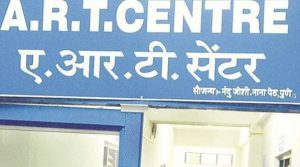
Loss to follow-up refers to patients who have not returned to collect their ART medicines or attend medical reviews for an extended period. In Maharashtra, ART centres are established in multiple districts to provide free antiretroviral medicines, routine testing and counselling to people living with HIV. These centres play a vital role in preventing disease progression and supporting patients through sustained therapy.
Despite the availability of treatment, a significant proportion of patients disengage from the health system after initial enrolment. Between 2019 and 2024, health records indicate that over 6,800 patients have fallen into the lost to follow-up category, although the exact reasons for discontinuation vary.
Key Factors Behind Treatment Discontinuation
Several factors contribute to treatment interruption and loss to follow-up among HIV patients. One major issue is mobility; patients often move between districts or states in search of employment or family responsibilities, making continuous attendance at a fixed ART centre difficult.
Stigma and discrimination also remain powerful barriers. Individuals living with HIV may choose to avoid regular visits to ART centres out of fear of social ostracism or breaches of confidentiality. Despite efforts to sensitise communities, stigma continues to discourage patients from maintaining treatment schedules.
Socioeconomic challenges such as loss of income, travel costs to health facilities and competing family obligations further complicate consistent care. For many patients, economic hardship forces prioritisation of immediate needs over routine medical follow-ups.
Health officials also point to gaps in patient tracking systems. While some centres have robust follow-up mechanisms, others struggle with limited staff, incomplete contact information and difficulties in outreach, particularly in rural areas.
Health Risks and Public Health Implications
Loss to follow-up can have serious implications for both individual patients and wider public health goals. Patients who discontinue ART are at greater risk of disease progression, opportunistic infections and reduced quality of life. Without consistent viral suppression, the likelihood of HIV transmission to others also increases.
Drug resistance is another concern. Intermittent treatment can lead to the virus becoming less responsive to standard medications, requiring alternative regimens that may be more costly or have greater side effects.
From a public health perspective, retaining patients in continuous care is fundamental to achieving targets such as the Joint United Nations Programme on HIV/AIDS (UNAIDS) 90-90-90 goals, which aim to diagnose, treat and suppress viral loads effectively. High rates of loss to follow-up threaten progress toward these benchmarks.
Efforts to Improve Retention in Care
To address these challenges, the state health department has initiated several strategies to strengthen patient follow-up and support systems. Health workers are being trained to implement differentiated care models that tailor services to individual patient needs, including community-based ART distribution, extended clinic hours and telemedicine options.
Enhanced counselling and psychosocial support are also being prioritised to help patients cope with stigma and personal barriers to care. Peer support groups, outreach workers and community volunteers are increasingly involved in encouraging consistent treatment adherence.
Some districts have adopted electronic patient tracking systems to flag missed appointments and trigger follow-up actions. By using mobile communication and database alerts, ART centres can reach out directly to patients who have missed visits, offering reminders and support.
Public awareness campaigns emphasise the importance of uninterrupted ART and aim to normalise the discussion around HIV treatment and care. These efforts seek to reduce stigma and make the idea of regular clinic attendance more acceptable within communities.
Voices From the Field
Healthcare workers on the ground highlight the complexities of maintaining patient engagement. Many patients express fear of disclosure, economic pressures and competing priorities that make regular visits challenging. Counsellors emphasise the need for empathetic communication and long-term relationship building to support patients through the treatment journey.
Patients who have managed to stay in care often cite supportive networks, understanding counsellors and flexible clinic arrangements as key enablers. These insights point toward the value of patient-centred approaches in reducing loss to follow-up.
Future Directions and Policy Implications
Experts say that addressing loss to follow-up requires both systemic improvements and community engagement. Strengthening health systems, improving data quality and expanding patient support services are essential. Integrating HIV care with broader primary health services can also make routine follow-up more convenient and less stigmatizing for patients.
As Maharashtra continues to refine its public health response to HIV, collaboration between government agencies, community organisations and patient advocates will be key. Policies that reduce socioeconomic barriers, enhance confidentiality and promote sustained engagement can help stem the tide of patients lost to follow-up.
The state’s experience underscores the importance of adaptive health systems that respond to the lived realities of patients. By prioritising retention in care, Maharashtra can improve the health outcomes of people living with HIV and strengthen its progress toward national and global HIV response goals.
Read More: https://channel6network.com/pmkvy-trainees-maharashtra-funding-fluctuate/
