
A Baby Has Been Born Using DNA From Three People
A baby has been born through a medical procedure that combines genetic material from three individuals, marking a significant development in reproductive science. The birth was achieved using a process known as mitochondrial donation treatment, a method designed to prevent the transfer of serious inherited genetic diseases from parent to child.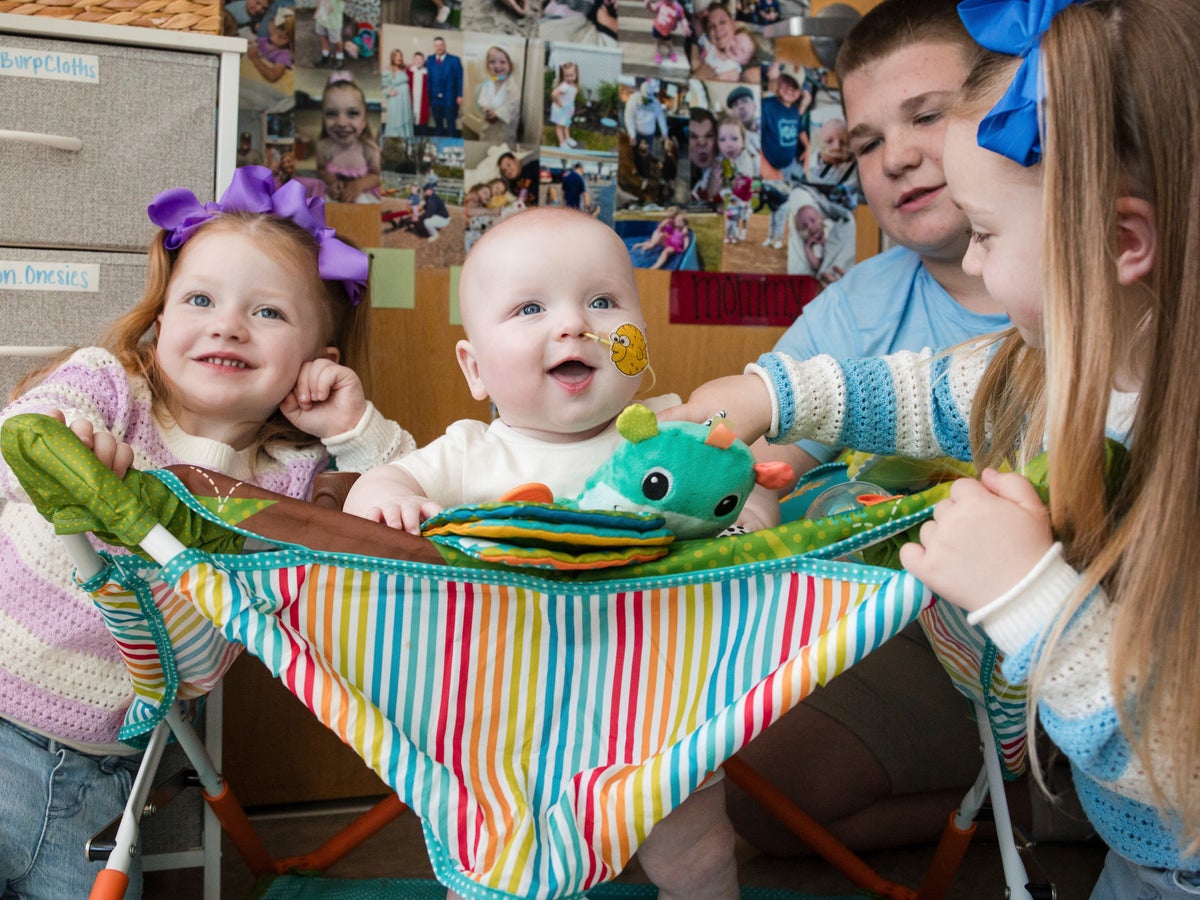
In this procedure, doctors use nuclear DNA from the biological mother and father and combine it with healthy mitochondrial DNA from a donor. The donor’s genetic contribution is extremely small, accounting for less than 0.1 percent of the child’s total DNA. However, this small change plays a crucial role in avoiding life-threatening mitochondrial disorders.
Mitochondrial diseases are caused by faulty mitochondria, the parts of cells responsible for producing energy. These conditions can lead to severe health problems, including muscle weakness, organ failure, developmental delays, and, in some cases, early death. Until now, families affected by such disorders had limited options to prevent passing the condition to their children.
A Baby Has Been Born Through Mitochondrial Donation Treatment
A baby has been born after doctors carefully replaced damaged mitochondrial DNA in the mother’s egg with healthy mitochondrial DNA from a donor. The egg was then fertilized using the father’s sperm, allowing the embryo to develop without the faulty genetic material that causes disease.
This method does not alter traits such as appearance, intelligence, or personality. Those characteristics are controlled by nuclear DNA, which comes entirely from the biological parents. The donor’s role is limited to providing healthy mitochondria, which support normal cell function.
Medical experts involved in the process say the primary goal is disease prevention, not genetic enhancement. The treatment is intended only for families with a high risk of passing on serious mitochondrial disorders. Strict medical screening and regulatory oversight are applied before the procedure is approved.
The successful birth demonstrates that mitochondrial donation treatment can work as intended, offering hope to families who previously faced heartbreaking outcomes. It also shows that complex genetic interventions can be carried out safely under controlled conditions.
A Baby Has Been Born Raising Ethical and Medical Discussion
A baby has been born using this method, but the breakthrough has also reopened ethical discussions around genetic intervention. Some critics express concern about the long-term effects, noting that mitochondrial changes are passed down through future generations. Because this technique is relatively new, long-term data is still limited.
Others worry about how far genetic science could go if boundaries are not clearly defined. While the current use focuses on preventing disease, experts agree that clear rules are necessary to prevent misuse of genetic technologies.
Supporters argue that the benefits outweigh the concerns. They point out that the procedure does not modify identity-defining genes and that preventing severe illness improves quality of life for both the child and the family. Medical researchers emphasize that continued monitoring and transparent reporting will be essential as more cases emerge.
Health authorities in several countries allow mitochondrial donation only under strict conditions, ensuring that it remains a medical solution rather than a commercial or cosmetic practice.
A Baby Has Been Born Signaling a Shift in Reproductive Medicine

A baby has been born through this advanced technique at a time when genetic medicine is evolving rapidly. Researchers believe this development could lead to safer family planning options for people with inherited disorders and influence future approaches to reproductive health.
View this post on Instagram
The case also highlights the growing role of genetics in modern medicine, where prevention is becoming as important as treatment. As more data becomes available, medical guidelines are expected to adapt based on long-term outcomes and safety results. Also Read: CONGRATULATIONS DAENGI marks a joyful milestone for Jo Jung Suk and Gummy
Conclusion:
A baby has been born using a carefully regulated genetic method that prevents serious inherited disease. While ethical discussions continue, the birth represents a meaningful step forward in medical science, offering hope to families affected by genetic conditions.
