
West Bengal Steps Up Nipah Preparedness With New Treatment Guidelines
West Bengal has stepped up its preparedness against the Nipah virus by issuing updated treatment and response guidelines, as health authorities move proactively to prevent any potential outbreak and ensure the state’s medical system is ready to respond swiftly.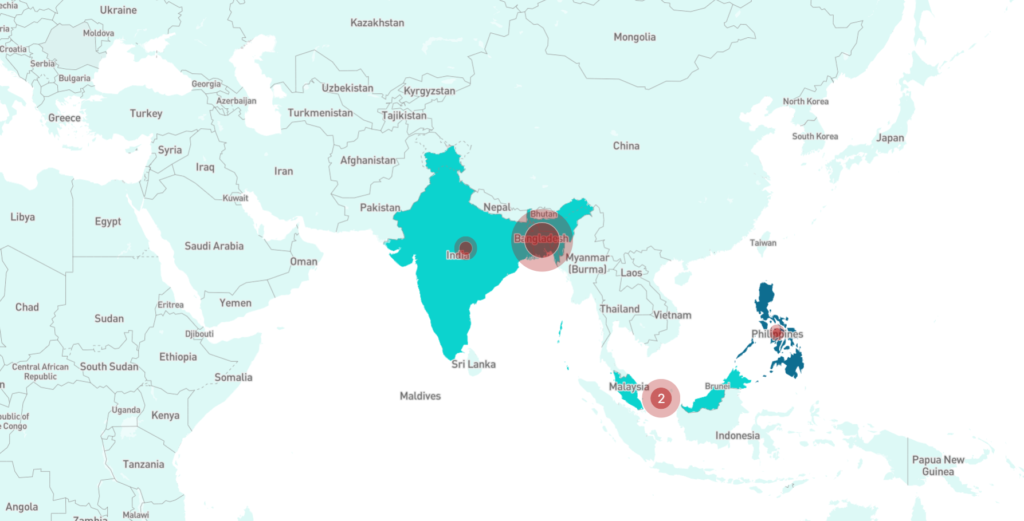
The fresh guidelines focus on early detection, clinical management, infection control and coordinated response across hospitals and district health units. Officials said the move is precautionary but essential, given Nipah’s high fatality rate and its history of sporadic outbreaks in parts of the country.
Emphasis on Early Detection and Isolation
According to health department officials, the updated protocol places strong emphasis on early identification of suspected Nipah cases. Doctors have been advised to be alert for symptoms such as fever, headache, respiratory distress and signs of encephalitis, particularly in patients with recent travel history to affected regions or contact with confirmed cases.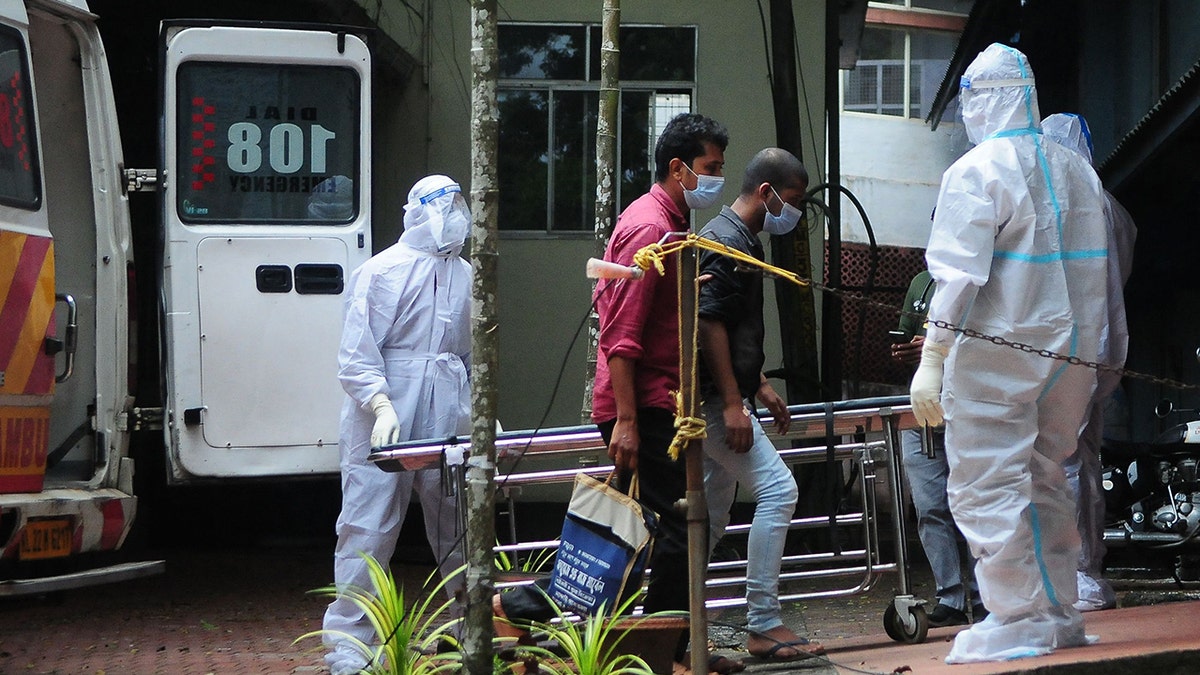
Immediate isolation of suspected patients has been highlighted as a critical step to prevent transmission. Dedicated isolation wards and strict use of personal protective equipment have been made mandatory in all designated healthcare facilities.
The guidelines also stress the importance of rapid sample collection and timely testing to confirm cases at the earliest stage.
Strengthening Hospital Preparedness
Government and private hospitals across West Bengal have been instructed to review their preparedness plans. This includes ensuring adequate availability of isolation beds, ventilators and trained medical personnel capable of handling critical cases.
Healthcare workers are being sensitised through refresher training sessions on infection prevention and control practices. Special attention is being given to emergency departments and intensive care units, where the risk of exposure is higher.
Officials said hospitals have also been asked to maintain clear referral pathways so that suspected or confirmed cases can be transferred quickly to designated treatment centres.
Revised Treatment Protocols
While there is no specific antiviral treatment for Nipah, the new guidelines outline supportive care measures aimed at managing complications and improving patient outcomes. These include protocols for managing respiratory failure, neurological symptoms and secondary infections.
The state health department has advised doctors to follow evidence-based clinical management practices and avoid unnecessary interventions that could increase risk to healthcare workers.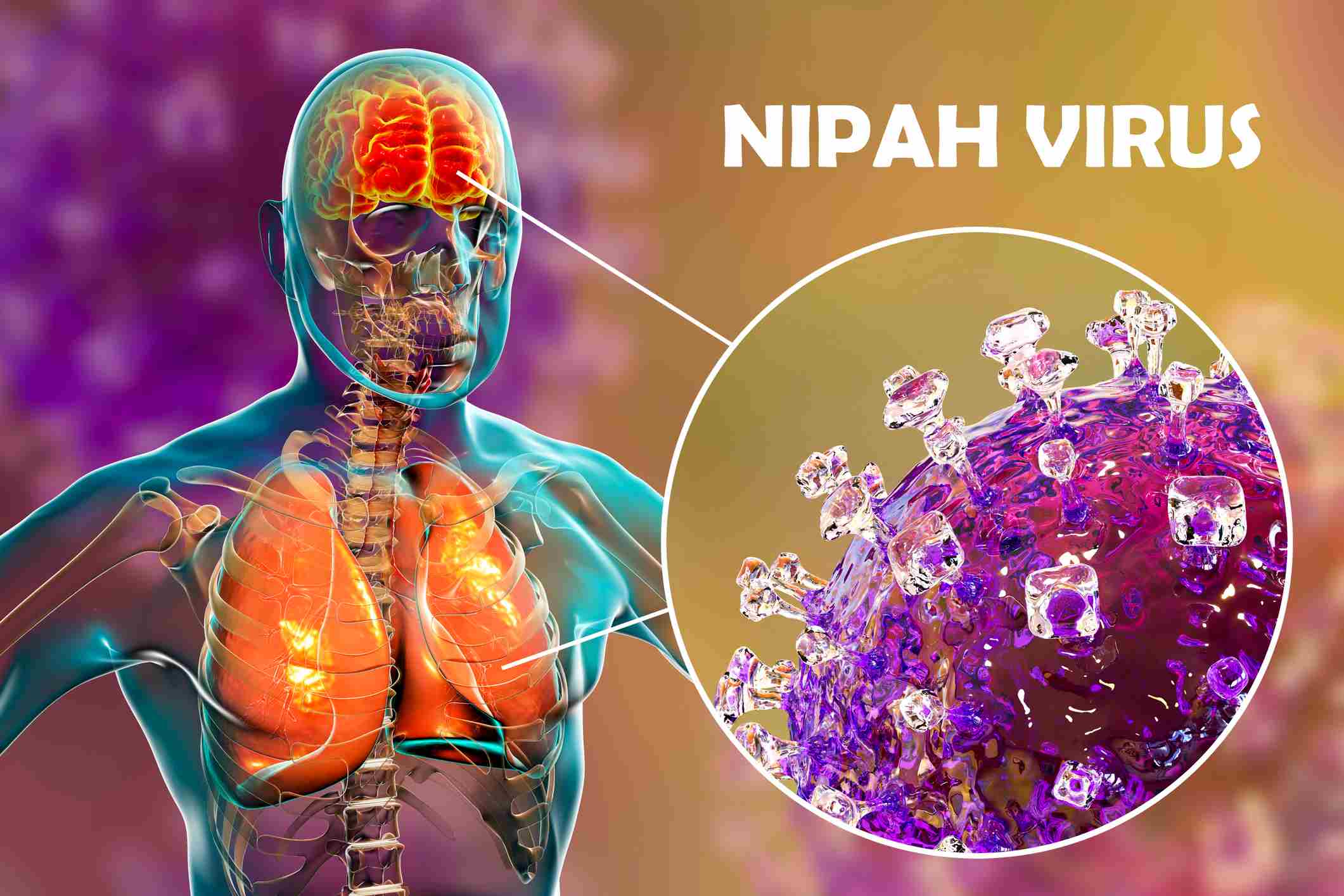
Multidisciplinary medical teams have been recommended for managing severe cases, ensuring coordinated care across specialties.
Surveillance and Contact Tracing
The updated preparedness plan also strengthens surveillance mechanisms. District health officials have been directed to enhance monitoring for unusual clusters of fever or neurological illness and report any suspected cases immediately.
Contact tracing remains a key pillar of the response strategy. Health teams are required to identify and monitor all high-risk contacts of suspected or confirmed patients, with clear guidelines on quarantine and follow-up.
Authorities have emphasised that timely contact tracing can significantly reduce the chances of community spread.
Public Awareness and Coordination
Alongside medical preparedness, the state government is focusing on public awareness. Health officials have urged people not to panic but to remain vigilant and report symptoms promptly.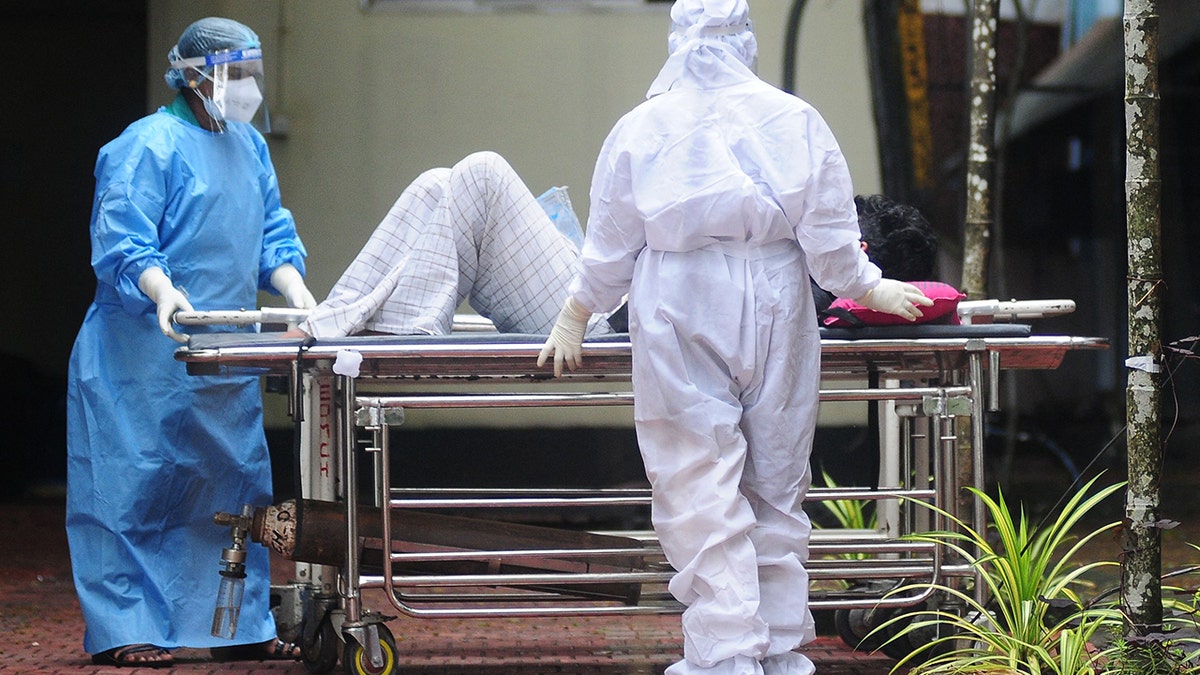
Clear communication strategies are being rolled out to counter misinformation and ensure that accurate information reaches communities, particularly in high-risk areas.
The guidelines also underline the importance of coordination between state and central health agencies, laboratories and local administrations to ensure a unified response if a case is detected.
A Proactive Approach
Officials stressed that the updated Nipah guidelines reflect a proactive approach rather than a reaction to an immediate threat. By strengthening systems in advance, West Bengal aims to minimise risk and ensure swift containment should a case emerge.
As infectious disease threats continue to pose challenges, the state’s renewed focus on preparedness highlights the importance of readiness, coordination and vigilance in protecting public health.
Also read: https://channel6network.com/hum-to-tere-hi-liye-the/
