
Former CM Criticises Police Accountability
Former Karnataka Chief Minister Siddaramaiah has strongly criticised the state police, calling it “shameful” that law enforcement personnel were booked in 88 criminal cases last year. Speaking at a public forum, he expressed concern over the erosion of public trust in the police and emphasised that those tasked with maintaining law and order should be held to the highest standards of conduct. Siddaramaiah argued that such incidents tarnish the image of the entire department and compromise citizens’ faith in justice, demanding immediate corrective action and accountability measures to restore credibility.
The revelation that 88 police personnel were booked in criminal cases last year has raised concerns about recruitment and screening processes. Experts suggest that background checks, psychological evaluations, and integrity assessments must be strengthened to prevent individuals prone to misconduct from entering the force. Analysts argue that early intervention through rigorous recruitment standards can significantly reduce future instances of criminal behaviour within the police department, ensuring that only candidates with high ethical standards and commitment to public service are entrusted with law enforcement responsibilities.
Training and capacity building are being highlighted as critical areas for reform. Analysts point out that ethical training, conflict resolution, and human rights education should be integrated into police curricula. Ongoing professional development programmes can reinforce accountability and awareness of legal and societal responsibilities. Experts argue that a lack of continuous training contributes to misconduct, as officers may be unaware of proper procedures or the broader implications of their actions. Enhancing skill sets and ethical awareness could help create a more professional and responsive police force.
Internal oversight mechanisms are under scrutiny following the booking of 88 police officers. Experts recommend that regular audits, real-time monitoring, and disciplinary review boards be empowered to detect and respond to misconduct swiftly. Currently, delayed investigations and bureaucratic hurdles often shield personnel from immediate accountability. Strengthening oversight ensures that violations are addressed in a timely manner, discouraging misconduct and enhancing public trust. Independent internal affairs units with the authority to act autonomously are suggested as a model to prevent administrative interference in corruption or abuse cases.
Citizen engagement is being emphasised as a key factor in accountability. Community policing initiatives, feedback channels, and citizen advisory boards can help ensure that police actions are monitored externally. Analysts note that when communities actively participate in oversight, misconduct is less likely to go unnoticed. Public awareness campaigns about reporting mechanisms and rights when interacting with law enforcement can further empower citizens. The combination of citizen vigilance and internal reforms can act as a deterrent, creating a culture of accountability within the police department.
The impact of police misconduct on vulnerable communities has drawn attention. Human rights groups note that marginalized populations often suffer disproportionately when law enforcement personnel abuse their authority. Mishandling of complaints, biased enforcement, or harassment can create fear and discourage cooperation with the police. Experts argue that equitable law enforcement requires systemic checks to prevent discrimination, protection of citizens’ rights, and transparent grievance redressal. Addressing misconduct is essential not only for public trust but also for the fair application of justice in society.
Political implications of the 88 cases are significant. Opposition parties have seized on the data to highlight governance failures, while analysts suggest it could influence upcoming elections by shaping public perception of law and order. Legislative debates and demands for comprehensive reforms are expected to follow. Observers argue that politically neutral enforcement of accountability is necessary to maintain institutional credibility. Ensuring that the process is transparent and devoid of partisan interference will be critical for sustaining confidence in both the police and the justice system.
Technological interventions are being considered to improve monitoring and prevent misconduct. Use of body cameras, GPS tracking, and digital logging of actions can enhance transparency in policing. Analysts highlight that technology can reduce opportunities for abuse, provide evidence in misconduct cases, and improve operational efficiency. While human oversight remains essential, integrating technological safeguards offers a modern solution to age-old challenges of accountability and corruption, ensuring that officers remain answerable for their actions in real time.
Civil society organisations have called for a review of disciplinary procedures. Experts note that delayed or inconsistent disciplinary action often undermines trust and emboldens errant officers. Recommendations include stricter timelines for investigations, independent panels to oversee disciplinary action, and publication of outcomes to ensure transparency. Analysts argue that visible enforcement of consequences is crucial to reinforce ethical standards, deter potential misconduct, and demonstrate to the public that the police force operates under the rule of law.
Media coverage has played a key role in highlighting the issue and pressuring authorities to act. News outlets and social media campaigns have amplified public awareness of police misconduct, prompting discussions on systemic reforms. Analysts note that sustained media scrutiny can accelerate policy interventions and ensure that corrective measures are not merely superficial. By keeping the issue in the public eye, journalists contribute to transparency, accountability, and the broader push for professionalisation of law enforcement in Karnataka.
Finally, experts emphasise that addressing the booking of 88 police personnel requires a multi-pronged approach: recruitment reforms, training, oversight, citizen engagement, technological monitoring, and political will. Siddaramaiah’s criticism underscores the urgency of these reforms, calling attention to the broader implications for public trust, law and order, and governance. For Karnataka to maintain a credible police force, authorities must combine punitive action against individuals with structural reforms that prevent recurrence, ensuring a professional, accountable, and citizen-focused law enforcement system.
The cases reportedly involved a range of criminal charges, including abuse of authority, assault, and corruption-related offences. Activists and political analysts highlight that these incidents indicate systemic lapses in police oversight, recruitment, and monitoring mechanisms. Experts argue that when law enforcement personnel violate laws themselves, it not only undermines the justice system but also emboldens criminal elements, affecting overall law and order. Public confidence in policing is essential for civic cooperation, and widespread misconduct can severely hamper the effectiveness of security measures.
Political Repercussions and Calls for Reform
Siddaramaiah’s remarks have reignited political debate over police reforms in Karnataka. Opposition parties have echoed his concerns, urging the government to take stringent action against errant officers and implement mechanisms to prevent recurrence. Discussions have focused on strengthening internal vigilance units, improving transparency in complaint redressal, and ensuring disciplinary procedures are swift and effective. Experts stress that political will, combined with procedural reforms, is critical for creating a professional and accountable police force capable of serving citizens impartially.
Civil society organisations have emphasised the need for independent oversight to monitor police behaviour and investigate complaints without bias. Whistleblower protections, mandatory reporting of misconduct, and routine audits of departmental practices are being suggested as measures to improve accountability. Activists argue that public confidence in law enforcement can only be restored if citizens see that misconduct is punished consistently and transparently, without shielding personnel due to hierarchical influence or political pressure.
The state police department has responded, asserting that all complaints are thoroughly investigated and that disciplinary action is taken against officers found guilty of wrongdoing. Officials also highlighted ongoing efforts to enhance training, ethical awareness, and community policing initiatives. However, analysts argue that reactive measures are insufficient; structural reforms addressing recruitment, oversight, and systemic accountability are necessary to prevent similar incidents in the future and restore public trust.
Human rights activists stress the societal impact of police misconduct, particularly on vulnerable populations. Cases of abuse and corruption not only violate individual rights but also create fear and mistrust in communities that rely on law enforcement for protection. Strengthening grievance redressal mechanisms, ensuring legal accountability, and promoting a culture of ethical policing are considered critical to safeguarding citizens’ rights and maintaining social stability in Karnataka.
Experts have also highlighted that the rise in criminal cases against police personnel reflects broader governance challenges. In addition to accountability lapses, inadequate training, poor monitoring, and lack of community engagement contribute to misconduct. Analysts recommend systemic reforms, including digitised complaint tracking, regular performance evaluations, and citizen feedback mechanisms, to create a more transparent and professional police force. Such measures can help mitigate instances of abuse while enhancing operational efficiency.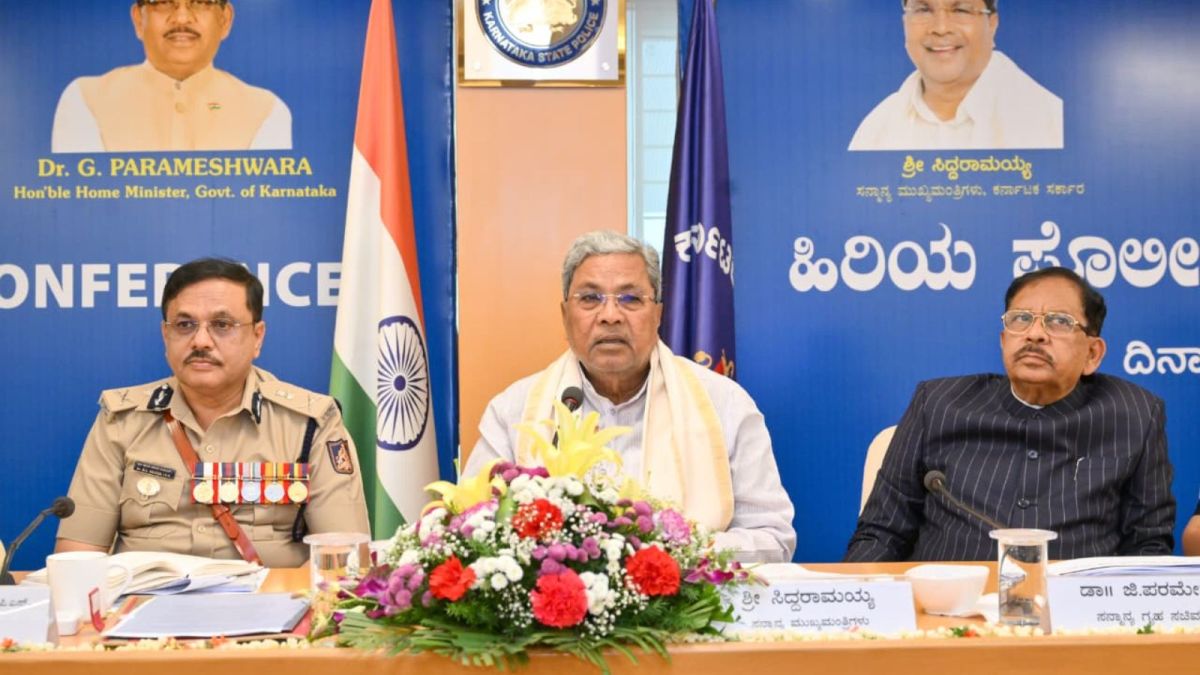
Political analysts suggest that public discourse around police accountability may influence policy priorities and funding allocations. Siddaramaiah’s statement has prompted calls for legislative reviews, potentially leading to reforms in police conduct regulations and disciplinary procedures. Lawmakers and policymakers are now under pressure to implement measures that ensure transparency, ethical enforcement, and citizen confidence, especially as high-profile cases continue to draw media and public scrutiny.
Community reactions have largely echoed Siddaramaiah’s concerns, with citizens expressing dismay over repeated incidents of police misconduct. Social media campaigns and public discussions have amplified demands for accountability, transparency, and professional integrity within the police force. Local civic organisations are also advocating for regular public reporting of police performance metrics, independent audits, and stricter adherence to legal frameworks governing law enforcement conduct.
The 88 criminal cases against Karnataka police personnel last year underscore the urgent need for comprehensive reforms. Experts argue that a combination of policy initiatives, technological interventions, and cultural change is essential to address misconduct effectively. Initiatives such as body cameras, real-time monitoring, and citizen grievance portals are being considered to enhance accountability. Ensuring that officers understand their responsibilities and the consequences of misconduct is vital for rebuilding trust.
Finally, Siddaramaiah emphasised that public confidence in law enforcement is the foundation of a functional democracy. He stressed that accountability, transparency, and adherence to ethical standards must guide policing practices. The state government’s response, combined with civil society advocacy, will determine whether Karnataka’s police can regain credibility and demonstrate commitment to serving citizens faithfully. Analysts note that decisive action now could prevent future misconduct, strengthen law enforcement, and restore faith in the justice system.
Follow: Karnataka Government
Also read: Home | Channel 6 Network – Latest News, Breaking Updates: Politics, Business, Tech & More
