
Senior Karnataka Minister Prioritises Domestic Work Over Global Forum
Karnataka’s senior leader and Finance Minister, D.K. Shivakumar, has opted out of attending the Davos World Economic Forum, citing a “busy schedule” filled with state governance responsibilities. The minister, known for his active engagement in both political and economic matters, emphasised that ongoing developmental projects and financial management in Karnataka require his direct oversight. Analysts suggest that while international forums offer visibility and networking opportunities, Shivakumar’s decision underscores a focus on prioritising local governance and on-ground administrative duties over global engagements.
Shivakumar’s absence comes at a time when Karnataka has been actively seeking investment, promoting economic growth, and engaging with global business communities. Experts note that while attending Davos could have enhanced the state’s visibility among international investors, his decision reflects the practical constraints faced by ministers balancing local administrative priorities with global commitments. Political commentators highlight that such choices are increasingly being viewed as signals of commitment to domestic governance over personal or political optics.
Implications for Karnataka’s Global Engagement
Observers believe that while the decision to skip Davos may reduce Karnataka’s direct representation at the international forum, it does not diminish the state’s overall global economic outreach. Officials have indicated that senior bureaucrats and other economic delegations will participate in Davos-related events, ensuring Karnataka’s presence and engagement with global investors and business leaders. Analysts argue that effective delegation and strategic planning can maintain visibility while allowing key ministers to focus on domestic priorities without compromising state interests.
Economic experts emphasise that Karnataka’s development agenda continues to attract international attention, even in the absence of key ministers at global forums. Investment proposals, infrastructure projects, and industrial initiatives are being presented through virtual sessions and delegations. Experts note that in an increasingly digital world, physical attendance at conferences, while valuable, is not the sole determinant of investment traction or policy visibility. Strategic participation, timely follow-ups, and efficient project implementation remain crucial for sustaining investor confidence.
Political analysts suggest that Shivakumar’s decision also reflects careful time management amidst competing priorities. The minister has been heavily involved in state-level economic planning, budget implementation, and ongoing negotiations with industrial stakeholders. Commentators argue that this prioritisation may enhance governance outcomes at home, signalling to citizens and investors alike that Karnataka’s leadership is committed to ensuring smooth execution of policies and projects. The decision may also be intended to mitigate criticism over perceived distractions from core responsibilities.
Some observers view this move as a subtle political statement, highlighting the minister’s emphasis on tangible governance rather than symbolic international appearances. In recent years, Karnataka has faced scrutiny over project delays, infrastructure challenges, and fiscal management. By prioritising domestic oversight, Shivakumar reinforces the perception that state ministers are accountable first to local development and citizen welfare, rather than to global forums or media optics. Analysts argue that such messaging can enhance public trust and political credibility.
The decision has also drawn commentary from opposition parties and economic analysts. While some express disappointment over reduced ministerial visibility at Davos, others acknowledge that sustained domestic governance often has a more direct and measurable impact on economic growth. Observers highlight that strategic delegation, virtual participation, and effective briefing of attending officials can ensure Karnataka’s priorities are adequately represented at international platforms.
Officials report that preparations for Karnataka’s participation in Davos-related events continue under the guidance of senior bureaucrats and economic delegates. Presentations on state industrial policy, investment opportunities, and infrastructure projects are being finalised. Analysts suggest that a coordinated approach, even without ministerial presence, can maintain Karnataka’s global image and investor interest while allowing key leaders to focus on critical domestic governance issues.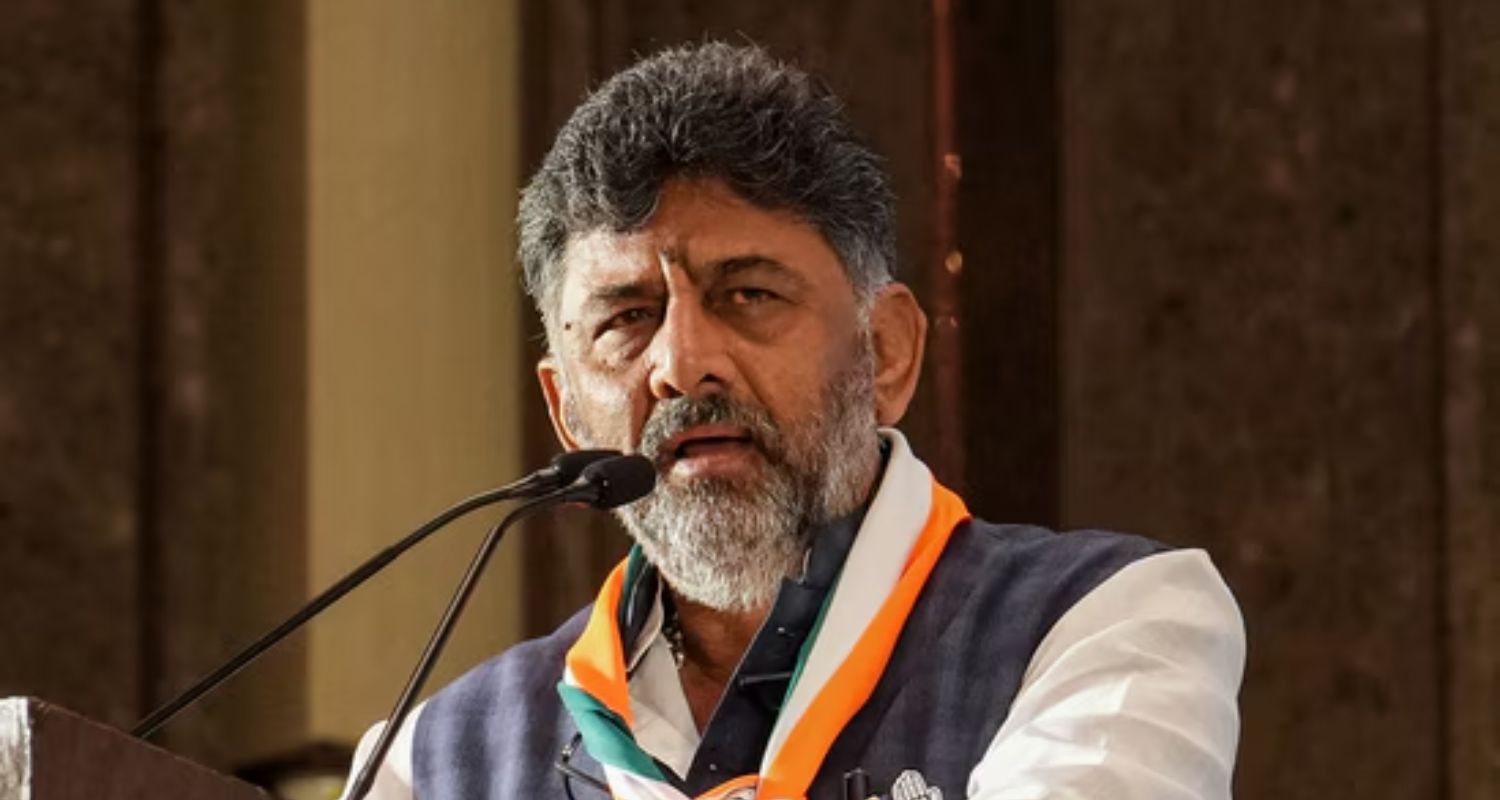
Public reaction has been largely understanding, with citizens recognising the pressures faced by senior ministers managing both political and administrative responsibilities. Social media commentary indicates that many view Shivakumar’s choice as pragmatic, prioritising the delivery of on-ground projects over ceremonial or symbolic appearances. Civic engagement experts suggest that visible, effective domestic governance can sometimes achieve more tangible benefits than attending international forums, reinforcing trust between government and citizens.
Finally, analysts argue that Shivakumar’s decision is part of a broader trend where Indian ministers are increasingly balancing global engagements with local responsibilities. While Davos provides networking and policy-exchange opportunities, immediate domestic priorities such as infrastructure completion, investment implementation, and welfare programme oversight require direct ministerial attention. Observers conclude that Karnataka’s growth trajectory remains robust, with strategic planning, delegation, and effective governance ensuring continued national and international confidence.
Shivakumar’s decision comes amid a busy schedule in Karnataka, where several infrastructure and investment projects are reaching critical stages. Analysts note that his presence in the state ensures closer monitoring of ongoing works such as industrial corridors, urban development schemes, and welfare initiatives. By prioritising on-ground supervision, Shivakumar is reinforcing administrative efficiency, which is crucial for timely completion of projects and avoiding delays that can impact investor confidence. Political observers argue that this approach reflects a hands-on governance style, signalling that ministers are actively engaged with execution rather than relying solely on high-profile international events.
The minister has reportedly delegated responsibilities for Davos-related engagement to senior officials and economic advisors. These delegates are tasked with representing Karnataka’s investment priorities, showcasing industrial policies, and interacting with potential global investors. Analysts highlight that effective delegation allows the state to maintain a global presence without diverting senior leadership from domestic governance. Digital presentations, one-on-one investor meetings, and virtual forums are being leveraged to ensure Karnataka’s initiatives are communicated effectively, demonstrating that physical absence does not necessarily compromise the state’s visibility or appeal to international business stakeholders.
Political commentators suggest that Shivakumar’s decision may also be a strategic move to avoid criticism of attending expensive global events amidst local economic challenges. With citizens closely monitoring government spending and public welfare, ministers prioritising domestic issues can project responsibility and alignment with public expectations. Analysts note that visible commitment to local projects strengthens political capital, particularly ahead of upcoming elections. By staying focused on state-level governance, Shivakumar may be reinforcing his image as a leader prioritising effective administration and tangible results over international appearances.
Observers note that Karnataka’s industrial and investment climate remains strong despite the minister’s absence. The state continues to attract both domestic and international interest through Global Investors Meet follow-ups, industrial policy briefings, and sector-specific investment initiatives. Experts suggest that Karnataka’s strong fundamentals—skilled workforce, robust infrastructure, and proactive industrial policies—reduce dependency on individual ministers attending global events. Strategic communication, investor engagement by officials, and virtual outreach allow the state to capitalise on opportunities while ensuring that ministers focus on projects requiring direct oversight.
Shivakumar has been actively involved in budget planning, fiscal monitoring, and resource allocation for Karnataka. Analysts argue that the Davos visit coincides with critical deadlines in state projects and financial management, making ministerial attention essential. By being present in Karnataka, Shivakumar can address administrative bottlenecks, coordinate between departments, and ensure the timely implementation of policies. Experts emphasise that high-profile forums are valuable for visibility, but the immediate impact of domestic governance on economic outcomes often outweighs symbolic participation at international events.
Some industry representatives have expressed understanding of Shivakumar’s choice, noting that effective governance at home directly benefits investors. Timely execution of projects, regulatory clarity, and smooth operational management often outweigh the benefits of networking at global events. Analysts highlight that the minister’s focus on domestic administration demonstrates a results-oriented approach, ensuring that investment proposals and industrial initiatives are implemented efficiently. By prioritising on-ground work, Karnataka’s leadership is sending a message that governance and delivery are central to its development strategy.
Experts have also highlighted that participation in forums like Davos can be effectively supplemented by virtual presence, pre-recorded presentations, and delegation of responsibilities. Karnataka’s economic team is reportedly preparing detailed reports, sectoral briefs, and project portfolios to be presented to international investors. Analysts suggest that such modern approaches allow the state to maintain global engagement while ensuring ministers are available for critical decision-making at home. This strategy is increasingly adopted in governance to balance visibility with practical administrative demands.
Political analysts note that Shivakumar’s absence has minimal implications for Karnataka’s international reputation due to the state’s robust investment promotion machinery. Senior bureaucrats, investment officers, and policy experts attending in his stead are tasked with ensuring that key messages reach international investors and stakeholders. Experts stress that continuity, clarity, and follow-up are often more important than individual presence, as investment decisions are influenced by the state’s policies, infrastructure readiness, and long-term growth potential rather than personal attendance at conferences.
Public reaction to Shivakumar’s decision has been largely supportive, with citizens appreciating ministers prioritising domestic governance. Social media commentary and civic discussions indicate that residents value tangible progress in infrastructure, welfare, and economic development over ceremonial participation in global events. Analysts argue that visible commitment to local projects can strengthen public trust in government, boost political credibility, and encourage citizen engagement in development initiatives. Shivakumar’s decision reinforces the notion that accountability and effective governance are central to leadership, particularly in states with significant developmental ambitions.
Finally, experts predict that Shivakumar’s choice will be remembered as a pragmatic governance decision, balancing international engagement with domestic priorities. Analysts suggest that Karnataka’s continued focus on investment promotion, infrastructure development, and policy execution ensures that the state remains attractive to investors. Strategic delegation, virtual engagement, and meticulous on-ground supervision reflect a modern approach to governance. Observers conclude that prioritising results over optics may set a precedent for future leadership decisions, reinforcing the importance of effectiveness and accountability in public service.
Follow: Karnataka Government
Also read: Home | Channel 6 Network – Latest News, Breaking Updates: Politics, Business, Tech & More
