
Karnataka politics was rocked by fresh controversy after senior BJP leader R. Ashok alleged the existence of a massive ₹2,500-crore bribery racket within the State Excise Department, demanding the immediate resignation of Excise Minister R.B. Thimmapur. The allegation has intensified the already charged political atmosphere, with the opposition accusing the Congress-led government of institutionalised corruption, while the ruling party has dismissed the claims as politically motivated. The issue has quickly escalated beyond routine political sparring, raising serious questions about governance, accountability, and transparency in one of the State’s most revenue-intensive departments.
Ashok’s statement, made publicly, has drawn sharp reactions from across the political spectrum. By placing a specific figure on the alleged bribery, the BJP leader has sought to project the issue as a systemic scam rather than isolated instances of wrongdoing. The Congress government, however, has countered by accusing the BJP of attempting to divert attention from its own record and destabilise the administration through sensational claims. As the debate unfolds, public attention has turned to whether the allegations will translate into formal investigations or remain confined to political rhetoric.
The allegation has also intensified pressure within the legislative arena, with opposition leaders indicating they may raise the issue forcefully in the Assembly and seek a structured debate. They argue that even if the government disputes the figures quoted, it has a responsibility to clarify how excise revenues are collected and monitored. Demands for tabling detailed departmental records and audit findings are likely to grow, potentially prolonging the controversy and keeping the Excise Department under sustained public and political scrutiny.
Within the ruling Congress, the leadership is faced with the challenge of containing political damage without appearing defensive. Party insiders suggest that while the government is unwilling to concede to resignation demands, it may consider internal reviews or administrative tightening to signal seriousness. Such steps, however, would need to be carefully calibrated to avoid lending implicit credibility to the opposition’s allegations while reassuring the public about transparency and accountability.
The episode has once again brought to the fore the broader issue of political accountability standards. Opposition parties frequently demand resignations over allegations, while governments often insist on evidence and due process. This recurring standoff reflects the absence of clear norms on ministerial responsibility in cases of alleged corruption. Analysts note that without consistent standards, resignation demands tend to become political tools rather than mechanisms of ethical governance.
As the dust settles, the longevity of the issue will depend on whether new information emerges or institutional action follows. If investigations are ordered or documentary evidence surfaces, the controversy could deepen significantly. If not, it may gradually recede amid other political developments. For now, Ashok’s charge has succeeded in thrusting the Excise Department into the spotlight, compelling both the government and opposition to navigate a sensitive terrain where perception, politics, and governance intersect.
Background of the Allegation
The Excise Department plays a critical role in Karnataka’s finances, overseeing liquor licensing, production, distribution, and enforcement. Given the high revenue involved, the department has historically been vulnerable to allegations of corruption, particularly around licence renewals, transfers, and enforcement actions. Ashok’s claim of a ₹2,500-crore bribery racket taps into long-standing public suspicion about irregularities in the sector.
According to the BJP leader, the alleged racket involves systematic collection of bribes from liquor manufacturers, distributors, and license holders, purportedly facilitated through a well-organised network within the department. He claimed that money was extracted at multiple levels, from local officials to senior administrators, creating what he described as a parallel economy thriving under political protection. Ashok argued that such a large-scale operation could not function without the knowledge or tacit approval of the political leadership overseeing the department.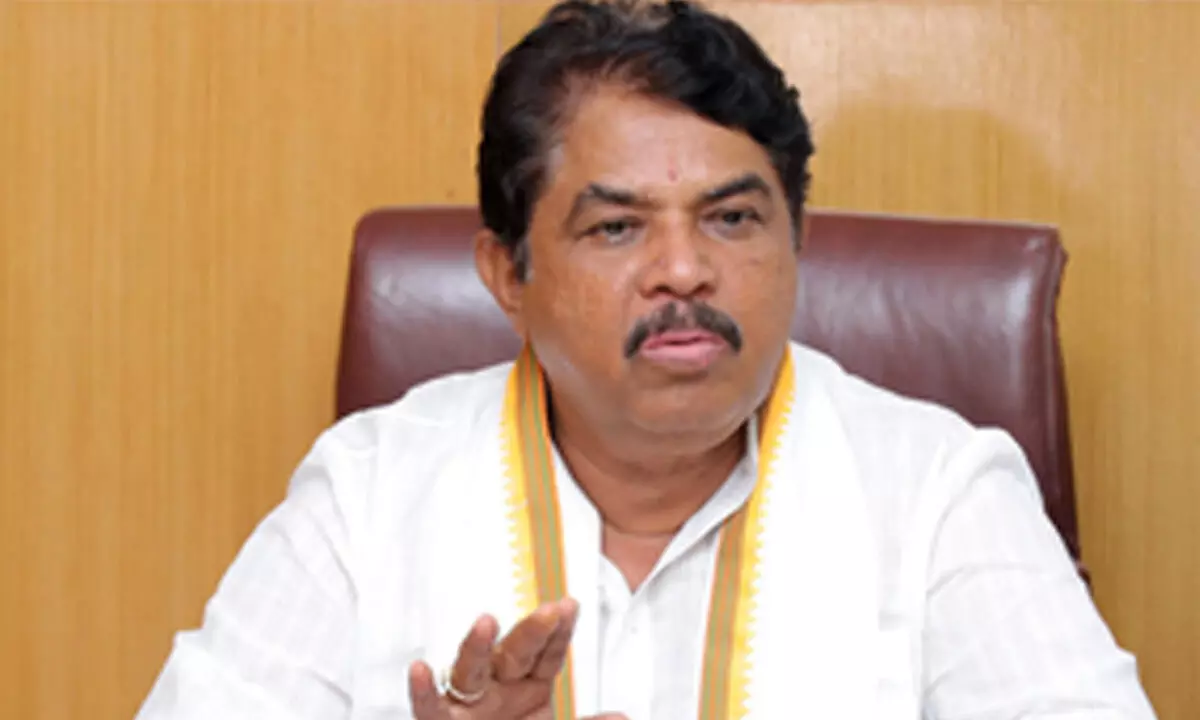
The opposition has also linked the allegation to previous complaints from sections of the liquor trade, who have periodically raised concerns about arbitrary inspections, selective enforcement, and unofficial payments. While such complaints have surfaced in the past, they have rarely led to sustained investigations. By demanding the resignation of Minister R.B. Thimmapur, Ashok has attempted to escalate the matter from administrative irregularity to political accountability.
Opposition’s Demand and Political Strategy
The BJP has framed Ashok’s allegation as a moral and administrative crisis for the Congress government. Party leaders have argued that allowing the Excise Minister to continue in office while such serious allegations are in circulation undermines public trust. They have demanded not only Thimmapur’s resignation but also a comprehensive, independent probe into the functioning of the Excise Department.
Strategically, the BJP appears to be using the issue to reinforce its broader narrative that corruption has resurfaced under the Congress regime. By highlighting a specific department and a quantified figure, the opposition aims to give its criticism greater credibility and resonance. BJP leaders have accused the government of shielding corrupt officials and prioritising revenue generation over ethical governance.
The demand for resignation also serves as a pressure tactic. Even if no immediate action is taken, sustained political noise can weaken a minister’s position and force the government to respond. Political observers note that such allegations, when repeated consistently, can shape public perception regardless of their eventual outcome. For the BJP, the issue offers an opportunity to keep the government on the defensive and dominate the political discourse.
Government’s Rebuttal and Defence
The Congress government has categorically rejected Ashok’s allegations, terming them baseless and defamatory. Senior leaders have accused the BJP of indulging in political theatrics to compensate for its lack of substantive issues. According to the ruling party, the opposition has failed to produce concrete evidence to substantiate the ₹2,500-crore figure, making the claim irresponsible and misleading.
Excise Minister R.B. Thimmapur has reportedly denied any involvement in wrongdoing and expressed confidence that the department’s operations would withstand scrutiny. Government sources have argued that the Excise Department functions under established rules and procedures, with multiple layers of oversight. They have also pointed out that revenue collections are audited and monitored, making it difficult for such a massive racket to go unnoticed.
The Congress has further accused the BJP of hypocrisy, noting that allegations of corruption were frequently raised during previous administrations without decisive action. According to ruling party leaders, the opposition’s sudden concern for probity is politically convenient rather than principled. They have asserted that the government remains open to lawful scrutiny but will not yield to what it views as politically motivated demands for resignation.
Excise Department Under the Lens
Beyond the immediate political exchange, the controversy has drawn renewed attention to the functioning of the Excise Department itself. The department’s discretionary powers, particularly in licensing and enforcement, have long been identified as potential flashpoints for corruption. Experts argue that without structural reforms, allegations are likely to recur regardless of which party is in power.
Civil society groups have called for greater transparency in licence allocation, digital tracking of applications, and reduced human discretion. They argue that while periodic crackdowns and transfers may address symptoms, deeper reforms are necessary to tackle the root causes of corruption. The current controversy, they say, underscores the urgency of such measures.
Some former officials have noted that political oversight of revenue departments often creates conflicting incentives. On one hand, departments are expected to maximise revenue; on the other, they must enforce regulations strictly. This dual mandate, when combined with political pressure, can create environments where unofficial practices flourish. The allegations, therefore, resonate with broader concerns about governance rather than standing in isolation.
Public Reaction and Media Discourse
Public response to Ashok’s allegation has been divided. While some citizens view the claim as yet another instance of political mudslinging, others see it as a serious charge that warrants investigation. Social media platforms have amplified the issue, with supporters of both parties trading accusations and counter-accusations.
Media coverage has focused on the scale of the alleged racket and the demand for the minister’s resignation. Analysts have pointed out that even unproven allegations can damage institutional credibility, especially when they involve essential revenue departments. The controversy has also revived memories of past excise-related scandals, reinforcing public scepticism.
At the same time, sections of the public have expressed fatigue with corruption allegations that rarely lead to concrete outcomes. Many argue that without transparent probes and accountability, such controversies merely add to cynicism rather than reform. This sentiment places additional pressure on the government to demonstrate seriousness in addressing the issue.
Implications for Governance and Politics
The fallout from the bribery allegation could have implications beyond the Excise Department. If the issue escalates, it may prompt calls for legislative scrutiny or judicial intervention. For the Congress government, managing the controversy without appearing dismissive will be a delicate balancing act. For the BJP, sustaining the issue requires either new disclosures or sustained public mobilisation.
Politically, the allegation feeds into a familiar cycle where corruption charges become central to opposition strategy. Such issues often gain traction because they tap into public frustration with governance failures. However, their long-term impact depends on whether they lead to tangible action or fade amid competing news cycles.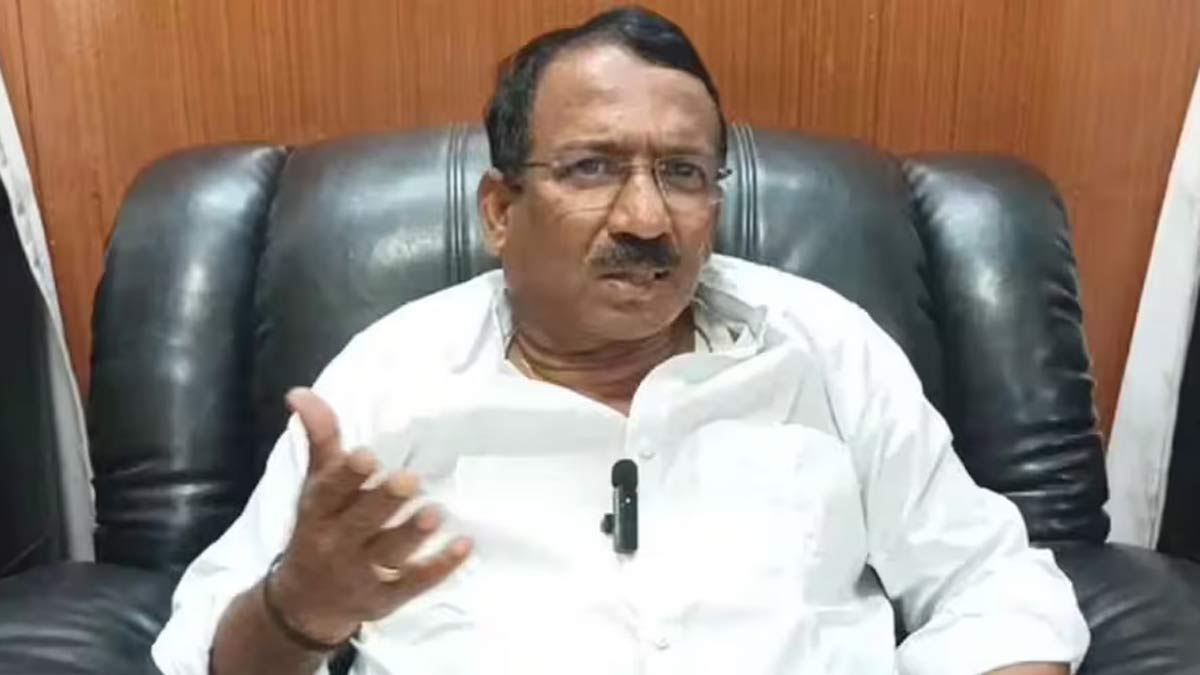
The controversy also highlights the importance of institutional safeguards. Regardless of the truth of the specific allegation, the perception of corruption can be as damaging as proven wrongdoing. Restoring confidence requires not only rebutting claims but also strengthening systems to prevent abuse.
Conclusion
Ashok’s allegation of a ₹2,500-crore bribery racket in the Excise Department has triggered a major political confrontation in Karnataka, placing the Congress government and Excise Minister R.B. Thimmapur under intense scrutiny. While the opposition demands resignation and investigation, the ruling party dismisses the claims as politically driven. As the debate continues, the episode underscores enduring concerns about corruption, accountability, and governance in revenue departments. Whether the controversy results in meaningful reform or remains another chapter in political sparring will depend on the actions that follow, not just the accusations exchanged.
Follow: Karnataka Government
Also read: Home | Channel 6 Network – Latest News, Breaking Updates: Politics, Business, Tech & More
