
India’s Rising Heatwave Concerns Put Climate Resilience in Sharp Focus
As temperatures climb across large parts of India, the country is once again grappling with the growing intensity and frequency of heatwaves, bringing climate resilience back into sharp national focus. Several states have reported soaring daytime temperatures well above seasonal averages, prompting health advisories, school schedule adjustments and renewed concern over the long-term impact of extreme weather.
Meteorological officials have warned that prolonged heat conditions could persist in many regions, particularly across central and northern India. Cities are experiencing unusually warm mornings and nights, reducing relief even after sunset. Experts say this pattern reflects broader climate shifts rather than isolated weather anomalies.
The impact of extreme heat is being felt most acutely by vulnerable populations. Outdoor workers, daily wage earners, farmers and the elderly face heightened health risks, including dehydration, heat exhaustion and heatstroke. Hospitals in some regions have reported a rise in heat-related ailments, while state governments have urged citizens to avoid peak afternoon hours and stay hydrated.
Urban areas are facing additional challenges due to the “heat island” effect, where concrete structures, limited green cover and high population density intensify temperatures. Urban planners and environmentalists argue that rapid, unplanned urbanisation has worsened heat stress, making cities increasingly difficult to inhabit during peak summer months.
The agricultural sector is also under strain. Higher temperatures threaten crop yields, particularly for water-intensive crops. Farmers are concerned about soil moisture loss and erratic weather patterns affecting sowing cycles. Agricultural experts stress the need for climate-smart farming practices, improved irrigation systems and heat-resilient crop varieties to safeguard food security.
In response, several state governments have activated Heat Action Plans aimed at minimising health risks. These include public awareness campaigns, emergency response protocols, distribution of drinking water and coordination with healthcare facilities. Some cities have also experimented with measures such as cool roofs, shaded public spaces and increased tree plantation drives.
At the national level, climate adaptation has become a key policy discussion. Policymakers and researchers emphasize that while mitigation efforts to reduce emissions remain vital, adaptation strategies are equally urgent. Building climate-resilient infrastructure, strengthening early warning systems and integrating heat management into urban design are increasingly seen as necessities rather than optional measures.
The economic cost of heatwaves is another growing concern. Productivity losses due to reduced working hours, increased energy demand from cooling systems and strain on power grids can have significant economic implications. Analysts note that sustained heat stress could slow economic activity, particularly in sectors dependent on outdoor labour.
Public awareness around heat safety has improved in recent years, aided by digital alerts and social media campaigns. However, experts caution that awareness alone is not enough. Long-term solutions require coordinated efforts involving governments, private sector players, urban planners and local communities.
Climate scientists warn that extreme heat events are likely to become more frequent unless global and local climate action accelerates. For India, a country with diverse geography and a large population dependent on climate-sensitive sectors, the challenge is particularly complex.
As the nation navigates another intense summer, the heatwave serves as a stark reminder of the urgency to adapt to a warming world. How effectively India responds — through policy, planning and public participation — will shape not only its climate resilience but also the health and well-being of millions in the years ahead.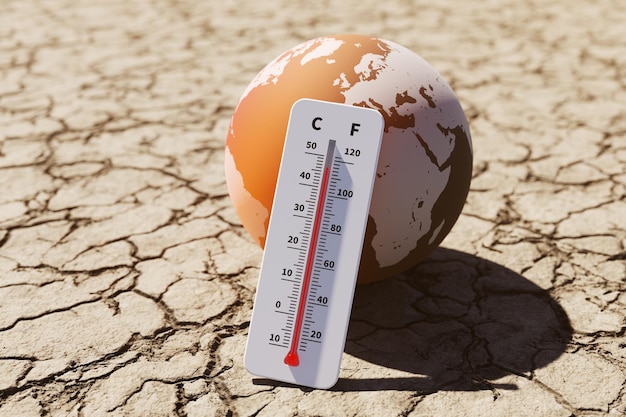
Experts also stress the importance of community-level participation in tackling extreme heat. Simple interventions such as local cooling centres, neighbourhood water kiosks, staggered work hours and public education campaigns can significantly reduce heat-related risks. Civil society groups have called for greater coordination between municipal bodies and local residents to ensure that heat mitigation measures reach those most in need. As climate challenges intensify, grassroots preparedness is increasingly being viewed as a critical pillar of India’s broader climate resilience strategy.
