
Thoothukudi government buildings remain difficult to access for persons with disabilities
Thoothukudi government offices across the district continue to pose serious accessibility challenges for persons with disabilities, raising concerns about equality in public service delivery. Despite clear government rules mandating barrier-free access, many key administrative offices still function without basic facilities such as ramps, lifts, or safe staircases, forcing differently abled citizens to depend on others for even routine official work.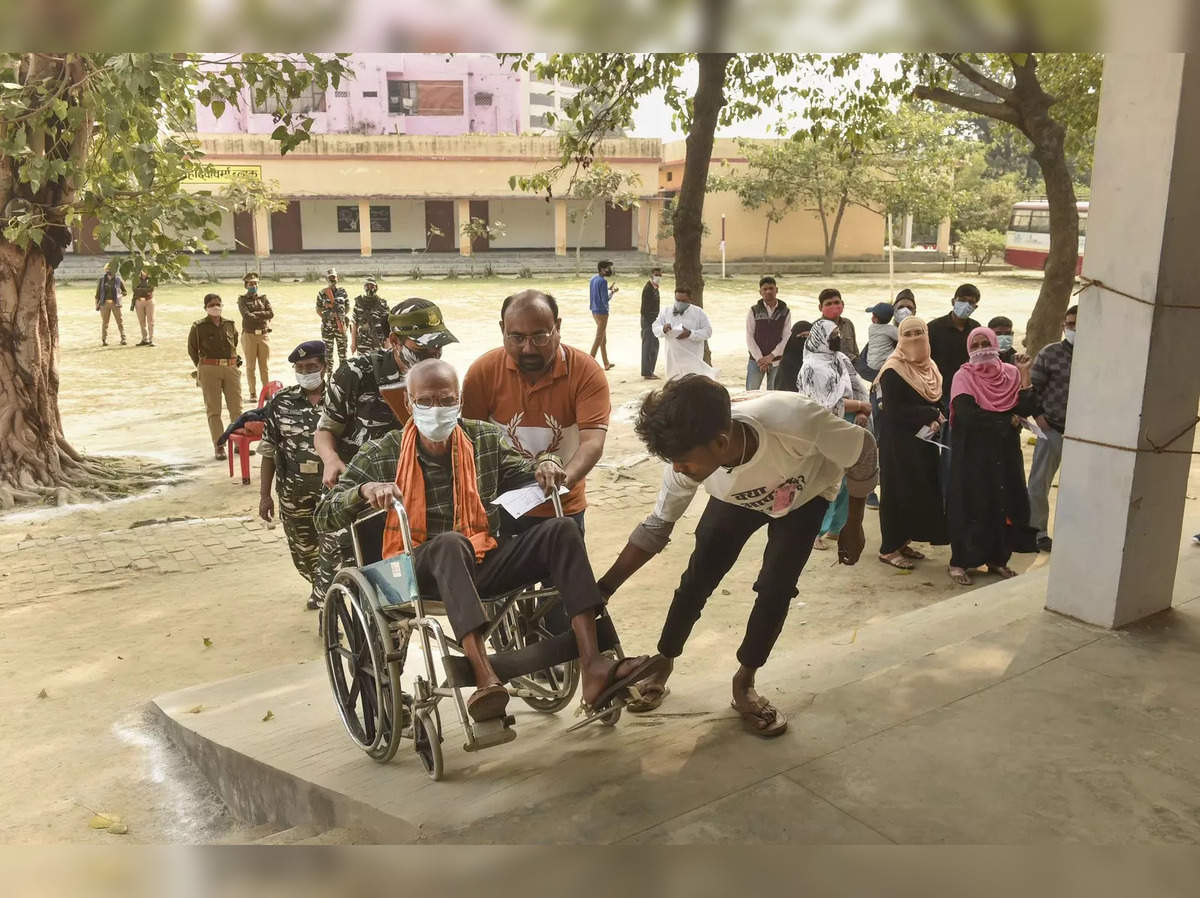
Taluk offices, Block Development Offices, sub-collector offices, and several police buildings are among the most inaccessible. In many cases, crucial officers are seated on upper floors, while the buildings themselves lack lifts or usable ramps. For people with mobility issues, this turns simple tasks like applying for certificates or submitting petitions into exhausting and sometimes humiliating experiences.
Several disability rights activists have pointed out that in Ottapidaram and Kovilpatti, tahsildar offices are located on the first floor, with no lift access. Similarly, Block Development Offices in Sathankulam, Alwarthirunagari, Ottapidaram, and Kovilpatti operate from upper floors, making them practically unreachable for wheelchair users and those with physical limitations.
Even where ground-floor access exists, many essential officers such as social security scheme officials, taluk supply officers, and zonal deputy tahsildars are seated upstairs. This forces disabled citizens to rely on intermediaries or wait indefinitely, often without direct interaction with officials responsible for decision-making.
Thoothukudi government infrastructure ignores mandated accessibility norms
The situation is particularly concerning because Thoothukudi government departments are legally bound to follow accessibility standards under the Tamil Nadu Urban Local Bodies rules introduced in 2013. These rules clearly require public and multi-storeyed buildings to provide special facilities for persons with disabilities, including ramps, lifts, and safe access routes.
However, activists argue that implementation has been weak and selective. Even newly constructed revenue department buildings reportedly lack lift facilities, suggesting that accessibility is still treated as an afterthought rather than a core requirement. In some offices, even staircases are poorly designed, further increasing the risk for elderly and disabled visitors.
One differently abled resident described the difficulty of accessing a zonal office to obtain a birth certificate for his child. With the concerned officer seated on the first floor and no ramp or lift available, he had no choice but to seek help from others. Such experiences, activists say, are common across the district and discourage disabled citizens from approaching government offices altogether.
Police offices are no exception. Accessing the Superintendent of Police office, Deputy Superintendent offices, and several police stations remains difficult due to the absence of ramps or lifts. This is especially troubling because police offices handle sensitive complaints where personal interaction is often necessary.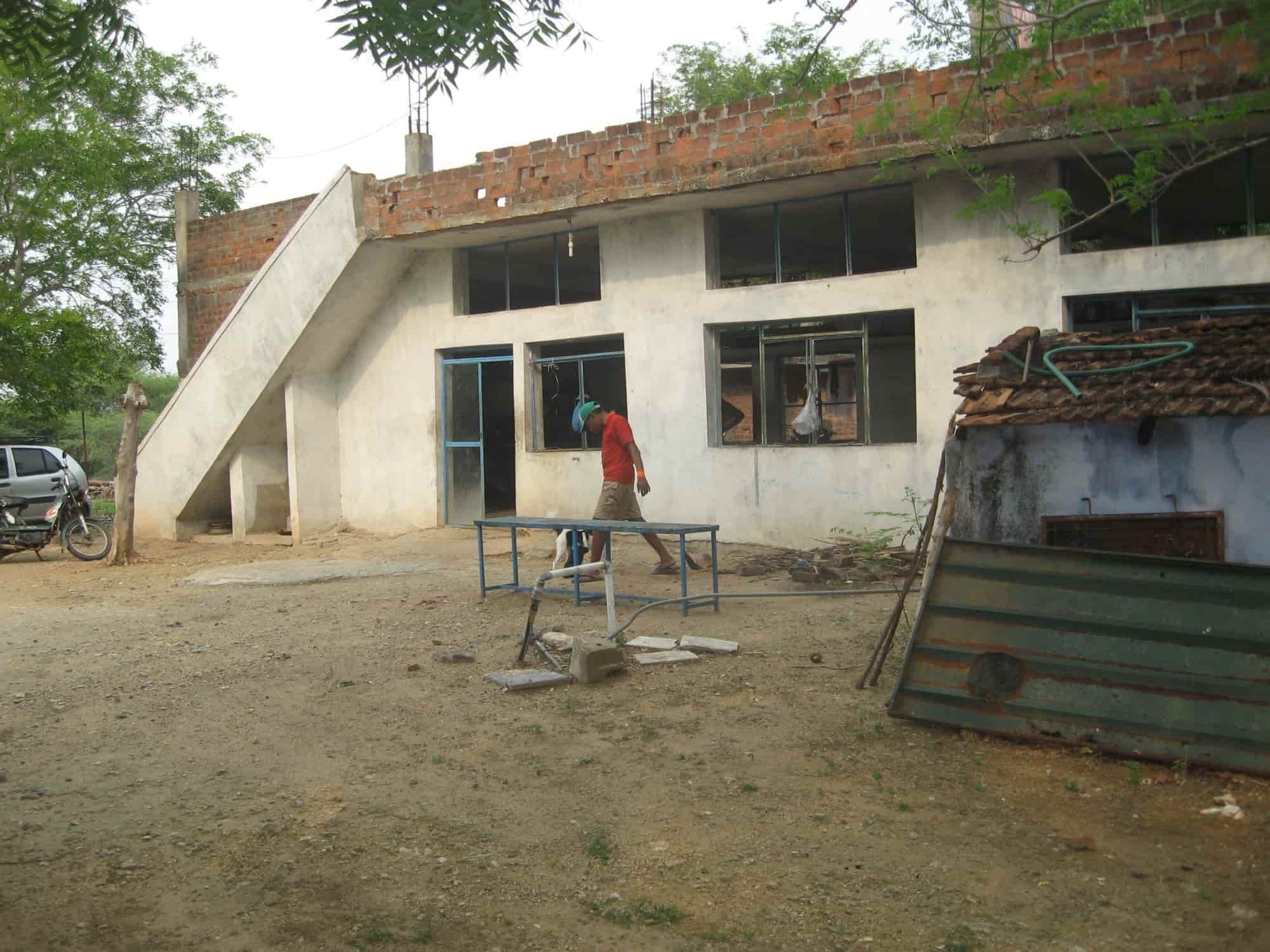
While some offices have reception counters to receive petitions, activists allege that officers rarely come down to meet differently abled persons directly. This practice, they argue, reduces meaningful engagement and delays resolution of grievances.
Thoothukudi government response highlights gap between policy and practice
Officials have responded by stating that interim arrangements are in place. Police authorities have said that waiting halls are provided and that senior officers meet petitioners regularly. Revenue officials have claimed that reception staff have been instructed to assist disabled visitors and that tahsildars and BDOs have been directed to meet them personally when needed.
However, activists insist that such temporary measures cannot replace permanent infrastructure. Assistance depends on availability and goodwill, while proper ramps and lifts ensure dignity, independence, and equal access. Without structural changes, disabled citizens remain dependent rather than empowered. Also Read: Kovalam Mahabalipuram Reservoir Project Sparks Strong Resistance From Coastal Villages
The issue also raises larger questions about planning priorities. If newly constructed government buildings continue to exclude accessibility features, it reflects a systemic failure rather than isolated oversight. Disability rights groups argue that inclusive infrastructure should not be optional or delayed but built into every public project from the start.
Conclusion
The ongoing accessibility issues in Thoothukudi government offices highlight a serious gap between policy intent and ground reality. Until ramps, lifts, and inclusive design become standard across all public buildings, equal access to government services will remain out of reach for many disabled citizens.
