
A woman allegedly stabbed her husband to death on Tuesday night after enduring repeated harassment and physical abuse, police said, in a case that has once again brought domestic violence and alcoholism into sharp focus. According to preliminary investigations, the man routinely returned home drunk and subjected his wife to physical assault and verbal abuse, creating an atmosphere of constant fear inside the household. The incident occurred following yet another confrontation late in the night, when the argument escalated into fatal violence.
Police said neighbours reported frequent quarrels from the house, especially during late hours, but no formal complaint had been registered earlier. On Tuesday night, the argument reportedly turned aggressive after the man began assaulting the woman, prompting her to retaliate in what investigators believe may have been an act of desperation. The husband sustained serious stab injuries and collapsed at the spot. He was rushed to a nearby hospital, where doctors declared him dead.
A PATTERN OF ABUSE THAT WENT UNCHECKED
Investigators are now piecing together the history of the couple’s marriage, which neighbours describe as turbulent and marked by frequent violence. Residents in the locality said the man often returned home late at night in an intoxicated state, leading to loud arguments and physical confrontations. Despite the recurring disturbances, no formal complaint was lodged with the police earlier, highlighting how domestic abuse often remains confined within household walls. Officers said this lack of early reporting limits preventive intervention, allowing violence to escalate silently over long periods.
Police sources indicated that the woman had reportedly confided in a few close acquaintances about the abuse but feared approaching authorities. Financial dependence, social pressure, and concern for family reputation are believed to have contributed to her silence. Investigators said this pattern is common in domestic violence cases, where victims normalise abuse or believe it is a private matter. The absence of institutional support at an early stage often leaves victims isolated, with no coping mechanisms when violence intensifies.
Preliminary findings suggest that the incident was not premeditated but occurred during a heated confrontation. On the night of the incident, the man allegedly assaulted the woman after returning home drunk, triggering a struggle that culminated in the stabbing. Police are examining the crime scene to determine whether the weapon used was readily available in the household, which could support the argument of a spontaneous act rather than planned violence.
Medical reports indicate that the fatal injury was caused by a single deep stab wound, suggesting panic rather than sustained attack. Forensic experts are analysing injury patterns on both individuals to assess whether the woman acted in self-defence. Investigators said such details will be critical in determining charges, as the law recognises prolonged abuse and immediate threat as mitigating factors in cases involving domestic violence survivors.
Legal experts noted that courts increasingly acknowledge the psychological toll of sustained abuse while assessing criminal responsibility. However, they stressed that each case hinges on evidence demonstrating imminent danger and proportional response. The woman’s statement, medical records, and testimonies from neighbours may collectively establish whether the act was a desperate response to continued violence or exceeded the bounds of self-defence under the law.
The case has also brought attention to the role of alcohol addiction in domestic crimes. Officials said substance abuse frequently intensifies aggression and reduces self-control, increasing the risk of fatal outcomes. Social workers emphasised that addiction treatment and family counselling, if accessed earlier, might have altered the course of events. The absence of such interventions reflects systemic gaps in addressing alcohol-related domestic violence.
LEGAL, SOCIAL, AND MORAL QUESTIONS AFTER THE TRAGEDY
As the investigation progresses, authorities face the complex task of balancing accountability with compassion. Police confirmed that the woman remains in custody while legal procedures are followed, but added that her claims of sustained abuse are being taken seriously. Senior officers said sensitivity is essential in such cases, as criminal proceedings must not ignore the context of long-term victimisation that may have driven the act.
Women’s rights organisations have urged the justice system to adopt a survivor-centric approach. They argue that punitive action alone fails to address the root causes of domestic violence and may discourage other victims from seeking help. Activists stressed the importance of recognising patterns of coercion, fear, and helplessness that accumulate over years and can erupt suddenly when a victim perceives an immediate threat to life.
The incident has sparked public debate on societal responsibility in preventing domestic violence. Neighbours admitted that while they were aware of frequent fights, they chose not to intervene, viewing it as a private matter. Experts said such social indifference enables abuse to persist unchecked. Community awareness and bystander intervention, they argued, are crucial in identifying and supporting victims before situations turn fatal.
Legal scholars also highlighted the need for stronger implementation of existing domestic violence laws. While legal provisions exist to protect victims, awareness and access remain limited, particularly among economically dependent women. Delays in obtaining protection orders, lack of counselling facilities, and fear of retaliation often deter victims from using legal remedies available to them.
The case has renewed calls for mandatory counselling and de-addiction support in households where alcohol-related violence is reported. Experts suggested that coordinated efforts between police, social welfare departments, and healthcare providers could help identify high-risk families. Early intervention, they said, can save lives by addressing both abusive behaviour and underlying addiction issues.
Psychologists pointed out that prolonged exposure to violence can severely impair a victim’s decision-making ability. Living under constant threat often leads to heightened fear responses, where individuals act instinctively rather than rationally during confrontations. This psychological dimension, they said, must be considered while evaluating the woman’s actions and mental state at the time of the incident.
The impact of the tragedy extends beyond the couple, affecting extended family members who are now grappling with shock and stigma. Relatives of the deceased expressed grief and anger, while those close to the woman described her as withdrawn and fearful in recent years. The case has divided opinions, reflecting broader societal discomfort in confronting domestic abuse as a serious public issue rather than a private conflict.
Police officials reiterated that the investigation would be thorough and impartial. They said all evidence, including forensic findings and witness statements, would be presented before the court to determine the appropriate legal course. Authorities emphasised that while the law must take its course, the context of sustained abuse cannot be ignored in the pursuit of justice.
As the case unfolds, it stands as a stark reminder of the devastating consequences of unaddressed domestic violence. Experts stressed that prevention lies not only in law enforcement but in societal change, where victims feel safe to speak out and communities respond with support rather than silence. The tragedy underscores the urgent need for awareness, intervention, and empathy to prevent desperation from turning into irreversible loss.
Initial inquiries suggest a long history of domestic abuse, with the woman allegedly facing violence on an almost daily basis. Police said the accused woman told investigators that she had repeatedly pleaded with her husband to stop drinking and abusing her, but the violence only worsened over time. Investigators are now examining whether the act falls under culpable homicide or was committed in self-defence under extreme circumstances, considering the alleged pattern of abuse.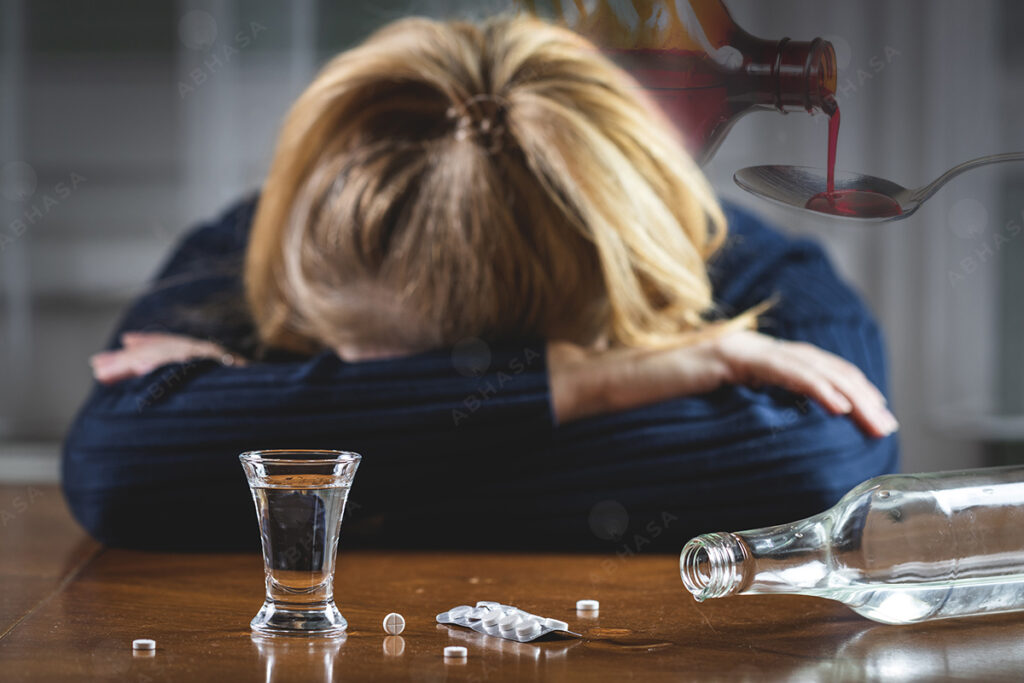
The woman was taken into custody for questioning, and a case has been registered. Police said they are recording statements from neighbours, relatives, and local residents to establish the sequence of events and the nature of the relationship between the couple. Medical and forensic reports are expected to play a crucial role in determining the legal course of the case, particularly in assessing the extent of provocation and threat faced by the woman.
The incident has sparked renewed discussion on the silent suffering of women trapped in abusive marriages. Legal experts noted that many victims of domestic violence hesitate to approach authorities due to fear, social stigma, or economic dependence. They stressed that timely intervention, counselling, and legal support could prevent such situations from escalating into irreversible tragedies.
Women’s rights activists said the case underlines the urgent need for stronger awareness and support systems for survivors of domestic abuse. They emphasised that alcohol-fuelled violence remains a major trigger in many households and called for community-level vigilance and accessible helplines. As the investigation continues, the case stands as a grim reminder of how unchecked domestic violence can push victims to a breaking point with devastating consequences.
A woman allegedly stabbed her husband to death on Tuesday night after enduring repeated harassment and physical abuse, police said, in a case that has once again brought domestic violence and alcoholism into sharp focus. According to preliminary investigations, the man routinely returned home drunk and subjected his wife to physical assault and verbal abuse, creating an atmosphere of constant fear inside the household. The incident occurred following yet another confrontation late in the night, when the argument escalated into fatal violence.
Follow: Karnataka Government
Also read: Home | Channel 6 Network – Latest News, Breaking Updates: Politics, Business, Tech & More
