
The Karnataka Governor is likely to skip certain portions of the text prepared for his address to the joint sitting of the State legislature, sources indicated, triggering fresh political debate over the evolving relationship between the Raj Bhavan and the elected government. The customary address, which outlines the government’s priorities and policy direction, is expected to see selective omissions that may reflect reservations over specific claims or proposals included in the draft. Such a move, while not unprecedented, carries significant constitutional and political implications.
According to officials familiar with the process, the Governor has reportedly conveyed concerns about portions of the address that make strong political assertions or include content that may not align with established conventions governing gubernatorial speeches. The Governor’s address is traditionally delivered on the aid and advice of the Council of Ministers, but constitutional practice allows the Governor limited discretion, especially when factual accuracy or propriety is questioned. The anticipated omissions are therefore being closely watched across political circles.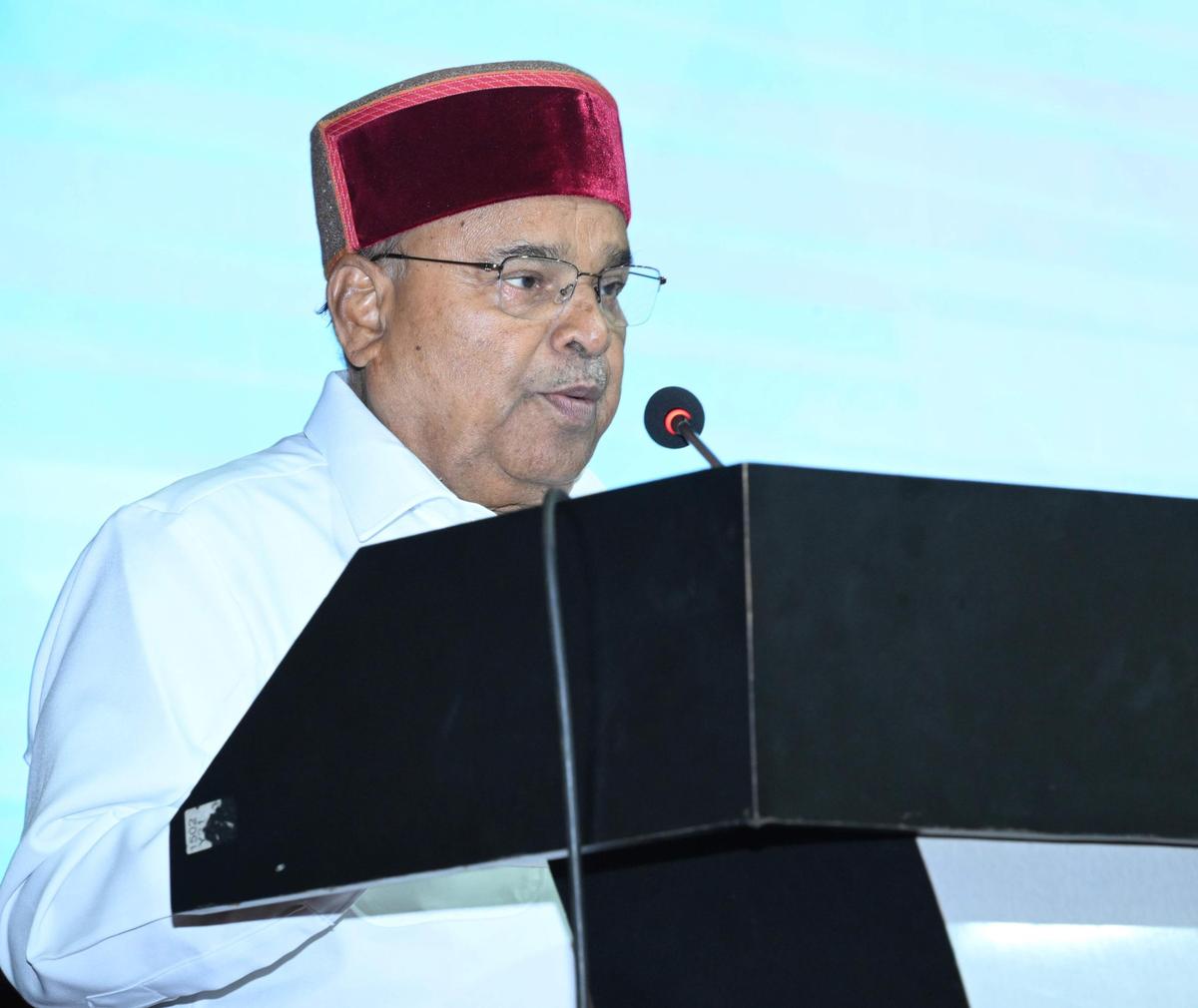
The development comes amid heightened tension between the ruling government and the opposition, with both sides already gearing up for a charged legislative session. The address is seen as a formal starting point for legislative business, setting the tone for debates, discussions, and policy scrutiny. Any deviation from the prepared text is likely to be interpreted as a political signal, regardless of the Governor’s intent to remain within constitutional boundaries.
Government sources said the draft address was prepared in accordance with established procedure and reflects the mandate and priorities of the elected government. They maintained that the address is not meant to be a neutral document but a reflection of the administration’s vision, achievements, and future plans. From this perspective, any omissions could be viewed as diluting the government’s message to the legislature and the public.
Opposition leaders, however, have welcomed reports of possible omissions, arguing that gubernatorial scrutiny is essential to prevent exaggerated claims or politically charged language from entering official legislative records. They said the Governor’s role includes safeguarding constitutional propriety and ensuring that the address does not become a platform for partisan assertions. According to them, selective omissions would reinforce the principle of institutional checks and balances.
Constitutional experts noted that Governors in several States have, in the past, skipped or modified portions of addresses that they found contentious. While such actions often spark political controversy, courts have generally upheld the Governor’s limited discretion in this area. Experts stressed, however, that frequent or extensive omissions risk politicising the office of the Governor, which is expected to function as a neutral constitutional authority.
The possibility of omissions has also raised questions about the aftermath of the address. Traditionally, the Governor’s speech is followed by a motion of thanks, during which legislators debate the content of the address. If portions are skipped, the government may still choose to defend the original draft during the debate, potentially leading to sharper confrontations on the floor of the House.
Senior legislators pointed out that such situations often shift attention away from substantive governance issues to procedural and constitutional disputes. They cautioned that prolonged focus on the Governor’s role could overshadow discussions on policy, development, and public welfare, which are expected to dominate the session. At the same time, they acknowledged that constitutional conventions themselves are an important subject of legislative scrutiny.
The Raj Bhavan has so far maintained silence on the matter, adhering to convention. Officials indicated that the final contours of the address would become clear only when it is delivered in the House. This uncertainty has added to political anticipation, with parties preparing responses to multiple possible scenarios.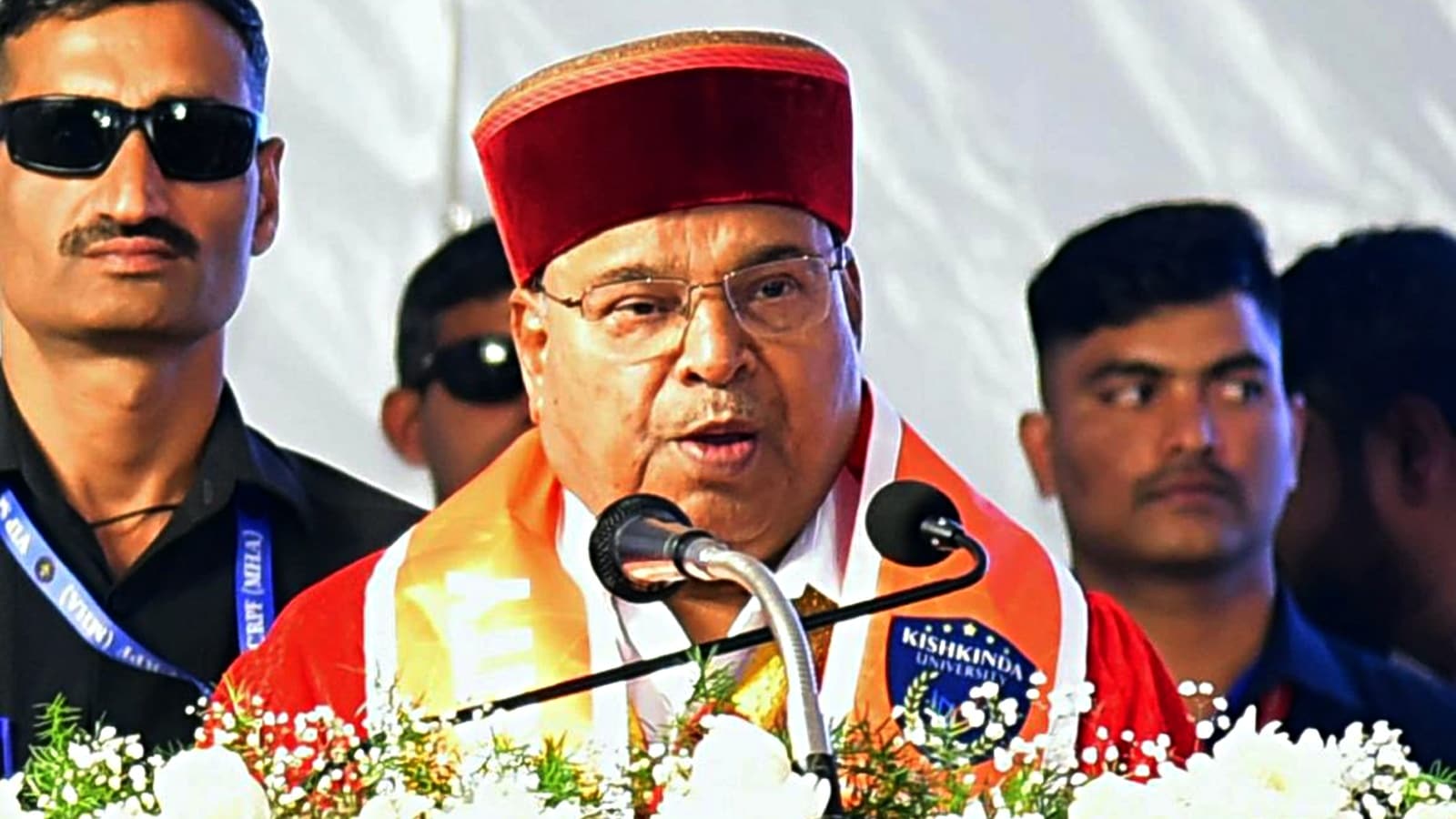
As Karnataka prepares for the legislative session, the likely omissions in the Governor’s address underscore the delicate balance between constitutional roles and political realities. Whether the move leads to confrontation or remains a procedural footnote will depend on how both the government and the opposition choose to respond. What is clear, however, is that even symbolic gestures in constitutional processes can carry weight far beyond the words spoken or left unsaid.
CONSTITUTIONAL CONVENTIONS AND THE LIMITS OF DISCRETION
The likelihood of the Karnataka Governor skipping portions of the address has reopened a long-standing debate on the constitutional boundaries of gubernatorial discretion. While the Governor is expected to deliver the address on the advice of the elected government, constitutional scholars point out that the office is not a mere ceremonial rubber stamp. Governors have, in the past, exercised discretion when they believed certain statements were factually questionable, politically provocative, or outside the scope of constitutional propriety. Such actions, though legally permissible in limited circumstances, often invite intense political scrutiny.
Experts note that the Constitution does not explicitly spell out the exact procedure for resolving disagreements over the content of the Governor’s address. This grey area leaves room for interpretation and convention to play a decisive role. In most cases, Governors choose quiet consultation over public deviation. When text is skipped during the address, it signals that such consultations may not have resolved differences, pushing the issue into the public and political domain.
Government insiders argue that the address reflects the democratic mandate given to the ruling party and is meant to communicate its agenda to the legislature. From their perspective, omissions undermine the principle that executive authority flows from the people’s will as expressed through elections. They contend that disagreements over policy or claims should be addressed during legislative debate rather than through selective silences in a constitutional address.
Opposition parties, however, see the Governor’s potential move as a necessary corrective. They argue that addresses should not be used to legitimise controversial claims or partisan narratives under the guise of constitutional formality. For them, the Governor’s scrutiny acts as a safeguard against the politicisation of a document that holds symbolic constitutional value.
Former bureaucrats caution that repeated friction between Governors and elected governments risks normalising institutional conflict. They warn that such confrontations, if frequent, could erode mutual respect between constitutional offices. At the same time, they stress that restraint must operate on both sides, with governments avoiding provocative language and Governors exercising discretion sparingly.
POLITICAL RAMIFICATIONS AND LEGISLATIVE AFTERSHOCKS
Politically, the anticipated omissions are expected to shape the tone of the legislative session. The Governor’s address traditionally sets the agenda for discussion, and any perceived dilution of the government’s message may provoke strong reactions from treasury benches. Ruling party legislators are likely to use the motion of thanks debate to reiterate points that may have been skipped, ensuring they enter the official record through legislative proceedings.
Opposition members, on the other hand, may cite the omissions as validation of their criticism of the government’s claims. They are expected to argue that the Governor’s actions highlight inconsistencies or exaggerations in the administration’s narrative. This dynamic could sharpen confrontations early in the session, potentially diverting attention from policy discussions to procedural disputes.
Political analysts observe that such episodes often resonate beyond the legislature, shaping public discourse. Supporters of the government may view the Governor’s actions as overreach, while critics may see them as an assertion of constitutional accountability. In an era of heightened political polarisation, even procedural decisions tend to be interpreted through partisan lenses.
The situation also places the Governor’s office under intense public gaze. Any perception of bias could invite criticism from one side or the other, complicating the delicate role the Governor is expected to play. Analysts note that maintaining neutrality in both action and perception is increasingly challenging in politically charged environments.
Historically, similar confrontations in other States have sometimes led to prolonged standoffs, with governments responding through resolutions, public statements, or even legal recourse. While no such escalation is evident yet in Karnataka, observers say the possibility cannot be ruled out if political rhetoric intensifies.
Legal experts emphasise that courts have generally refrained from intervening in disputes over Governor’s addresses, treating them as part of legislative proceedings. This places greater responsibility on political actors to manage disagreements through dialogue and convention rather than confrontation.
Ultimately, the significance of the Governor skipping portions of the address will depend on scale and response. Limited omissions may fade quickly, absorbed into routine political sparring. Extensive or pointed omissions, however, could deepen institutional tensions and set precedents for future interactions.
As the legislature convenes, all eyes will be on how the government, opposition, and Raj Bhavan navigate the moment. Beyond immediate politics, the episode raises enduring questions about constitutional balance, mutual restraint, and the unwritten conventions that sustain democratic functioning. Whether this moment becomes a flashpoint or a footnote will be determined not just by what is omitted, but by how political actors choose to engage with the silence.
A TEST OF INSTITUTIONAL RESTRAINT AND DEMOCRATIC MATURITY
The unfolding situation is also being viewed as a test of institutional restraint in a politically charged climate. Constitutional observers note that while disagreements between Governors and elected governments are not new, the manner in which they are handled often determines whether they escalate into crises or remain manageable differences. They stress that democratic maturity lies not in avoiding disagreement, but in resolving it through dialogue, convention, and respect for constitutional roles. How Karnataka’s political leadership responds to the Governor’s likely omissions may therefore set the tone for future interactions between Raj Bhavan and the State government.
Follow: Karnataka Government
Also read: Home | Channel 6 Network – Latest News, Breaking Updates: Politics, Business, Tech & More
