
The suspension of Congress leader Rajeev Gowda has triggered intense political discussion within Karnataka’s political circles, marking a significant moment for the party’s internal discipline mechanisms. Party sources indicated that the decision followed growing controversy surrounding remarks and actions that reportedly drew criticism from both within and outside the organisation. The development comes at a sensitive time when the Congress is attempting to project unity and administrative focus in the State. Observers believe the move signals a strict stance by the leadership aimed at reinforcing accountability, particularly as public scrutiny over political conduct continues to grow across regions.

Rajeev Gowda, known for his academic background and policy engagement, had been an identifiable voice within party discussions on governance and development issues. However, recent events appear to have overshadowed his earlier contributions. Party insiders suggest that leadership consultations took place before the disciplinary step was finalised, reflecting an effort to follow organisational procedure. While official communication remained measured, the message conveyed was clear: adherence to party norms and public responsibility remains paramount. Such decisions often attempt to balance individual standing with collective political image, especially when controversies risk affecting broader electoral or governance narratives.
Political analysts note that suspensions within major parties are rarely isolated acts, but rather part of wider messaging strategies. In this instance, the Congress appears keen to underline its position on ethical conduct and public sensitivity. The leadership’s move may also be interpreted as a signal to other members about maintaining decorum in political discourse. Karnataka’s political environment has grown increasingly competitive, and parties are cautious about reputational risks. By acting decisively, the organisation seeks to demonstrate that individual prominence does not override institutional expectations, reinforcing the idea that discipline remains integral to party functioning.
Reactions from opposition parties were swift, with leaders calling the episode evidence of internal turbulence within the Congress. However, Congress representatives dismissed such claims, stating that internal corrective measures reflect strength rather than instability. They emphasised that transparent disciplinary action protects the party’s credibility and aligns with democratic principles. Supporters argue that the move could help restore focus on governance priorities by preventing prolonged controversy. Political observers often view such steps as attempts to close contentious chapters quickly, allowing the party to redirect attention toward policy issues and public engagement initiatives across the State.
Within Congress circles, discussions have reportedly centred on preserving unity while addressing public perception. Senior leaders have emphasised the importance of avoiding divisive rhetoric that might distract from development agendas. The suspension, they say, should be seen as part of a broader effort to ensure responsible political communication. Internal committees may review related matters, though the immediate priority remains stabilising the narrative. Organisational discipline processes are designed not only to address individual cases but also to uphold standards that guide collective political behaviour, particularly in periods when public trust in institutions faces persistent challenges.
INTERNAL DISCIPLINE AND POLITICAL MESSAGING
The episode also highlights how political parties navigate the intersection of legal, ethical, and reputational considerations. Even when controversies revolve around statements rather than formal charges, parties must weigh potential fallout. Communication experts suggest that swift action can help contain negative cycles in media and public discourse. At the same time, such steps can generate debate about due process and proportionality. Balancing these aspects requires careful internal consultation. The Congress leadership’s decision suggests that reputational safeguarding and value signalling were deemed essential in this case, especially given the heightened visibility of political commentary in digital platforms.
Grassroots workers reportedly received instructions to avoid public disputes on the matter and to focus instead on outreach activities. This reflects a common strategy where organisational energy is redirected toward constructive engagement rather than defensive argument. Party communication channels emphasised achievements in governance, welfare schemes, and development initiatives. Analysts say this redirection helps limit prolonged attention on internal issues. By encouraging cadre-level focus on public service messaging, the party aims to reinforce its broader narrative. Such approaches illustrate how internal discipline measures often accompany parallel efforts to strengthen external political communication frameworks.
Public reaction has varied, with some citizens welcoming decisive steps while others question the timing and underlying dynamics. Social media discussions reveal a mix of political loyalty, scepticism, and calls for transparency. Civil society voices have highlighted the need for consistent standards across political lines. They argue that ethical expectations should apply uniformly, regardless of party affiliation. Such debates reflect wider societal conversations about accountability in public life. Political developments of this nature often act as catalysts for broader reflection on standards of leadership and the evolving relationship between public representatives and the communities they serve.
Observers also draw attention to the personal dimension, noting that disciplinary action can significantly affect an individual’s political trajectory. Suspensions sometimes lead to rehabilitation after review, while in other cases they mark turning points. The outcome may depend on internal inquiry findings, leadership assessments, and political circumstances. For parties, managing such processes involves balancing fairness with collective interest. Transparent communication about procedures can help maintain credibility. In democratic structures, institutional mechanisms for correction are essential, though they inevitably generate debate about intent, proportionality, and long-term implications for both individuals and organisations.
BROADER IMPLICATIONS FOR PARTY POLITICS
At a broader level, the development underscores how political organisations adapt to an environment of constant scrutiny. Statements, actions, and controversies travel quickly, requiring swift institutional responses. Parties increasingly view internal regulation as part of reputation management. Karnataka’s vibrant political landscape amplifies this dynamic, as multiple parties compete for narrative advantage. By emphasising accountability, Congress leaders appear to be positioning the party as responsive to ethical expectations. Such positioning can influence voter perception, particularly among younger and urban electorates who closely follow political developments and often prioritise questions of integrity and responsibility.
Historical patterns show that disciplinary actions within parties sometimes precede periods of strategic recalibration. Leaderships may use such moments to reaffirm core values or to signal shifts in communication style. In Karnataka, where political alignments and debates evolve rapidly, maintaining organisational coherence remains crucial. Analysts suggest that clear messaging about acceptable conduct can help reduce future friction. The Rajeev Gowda episode thus becomes part of a larger narrative about how parties manage internal diversity while projecting a unified public image. Institutional discipline, in this context, functions as both corrective and symbolic action.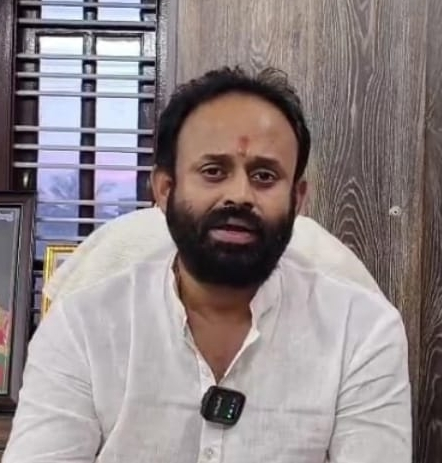
The development may also influence internal discussions on media engagement. Leaders increasingly recognise that comments made in public forums carry significant consequences. Training and advisory mechanisms are often strengthened after controversies to ensure careful articulation of views. Political communication now demands sensitivity to legal, social, and cultural contexts. Parties that adapt effectively can reduce risk while maintaining robust debate. This balance remains challenging, particularly in an era where political expression intersects with rapid digital dissemination. The current episode could prompt renewed emphasis on structured communication guidelines within the organisation’s framework.
For governance observers, the focus ultimately returns to policy continuity. They argue that while political controversies attract attention, administrative processes must remain uninterrupted. Congress representatives have reiterated that government functioning and development programmes continue as planned. Maintaining this distinction between party matters and governance operations is considered important for public confidence. By addressing internal issues swiftly, leadership may hope to prevent spillover into administrative perception. Effective separation between political management and governance delivery often shapes how citizens interpret such developments in the broader democratic landscape.
Electoral analysts believe the incident’s long-term impact will depend on how effectively the party moves forward. If attention shifts quickly to policy achievements and public engagement, the controversy may fade from prominence. However, sustained discussion could influence perceptions among certain voter segments. Political parties routinely navigate such cycles, where communication strategy plays a decisive role. The leadership’s challenge lies in demonstrating both accountability and stability. Observers note that decisive yet measured responses often help maintain institutional authority while limiting extended political damage in competitive environments.
Ultimately, the suspension of Rajeev Gowda reflects the complex interplay between individual roles and collective political responsibility. Democratic organisations must continuously negotiate standards, expectations, and public perception. While the immediate focus remains on internal procedure, the broader lesson concerns the importance of responsible conduct in public life. As political discourse grows more visible and immediate, institutional responses become integral to credibility. How parties manage such moments can shape not only short-term narratives but also long-term trust. In that sense, the episode stands as a reminder of evolving norms in contemporary political practice.
The development continues to generate quiet deliberation within political and academic circles, particularly because Rajeev Gowda has long been associated with policy discussions and intellectual engagement. Some observers argue that the situation illustrates how reputational considerations now weigh as heavily as ideological contributions in active politics. Public life, they note, increasingly demands not only expertise but also careful navigation of perception. The Congress leadership’s action may therefore be read as a reflection of changing political standards, where the margin for controversy narrows. Such shifts indicate how contemporary political functioning blends governance priorities with continuous image management responsibilities.
At the organisational level, the coming weeks are likely to focus on restoring routine political rhythm. Party functionaries are expected to emphasise outreach, constituency engagement, and programme implementation to ensure that attention returns to development issues. Political momentum often depends on how effectively parties move past internal episodes while maintaining unity. Leaders may also encourage dialogue within party forums to prevent miscommunication in the future. In this way, the episode serves both as a disciplinary event and as an opportunity for institutional introspection, highlighting how political organisations evolve through moments of challenge and correction.
Follow: Karnataka Government
Also read: Home | Channel 6 Network – Latest News, Breaking Updates: Politics, Business, Tech & More
