
Roger Allers RIP remembered for films that quietly shaped courage and values
Roger Allers RIP has left a deep sense of loss among film lovers, especially those who grew up watching animated stories that carried meaning beyond entertainment. Roger Allers, who passed away at the age of 76, was one of the key creative minds behind some of the most influential animated films of the late 20th century. His work helped define an era of storytelling that balanced emotion, moral clarity, and visual beauty.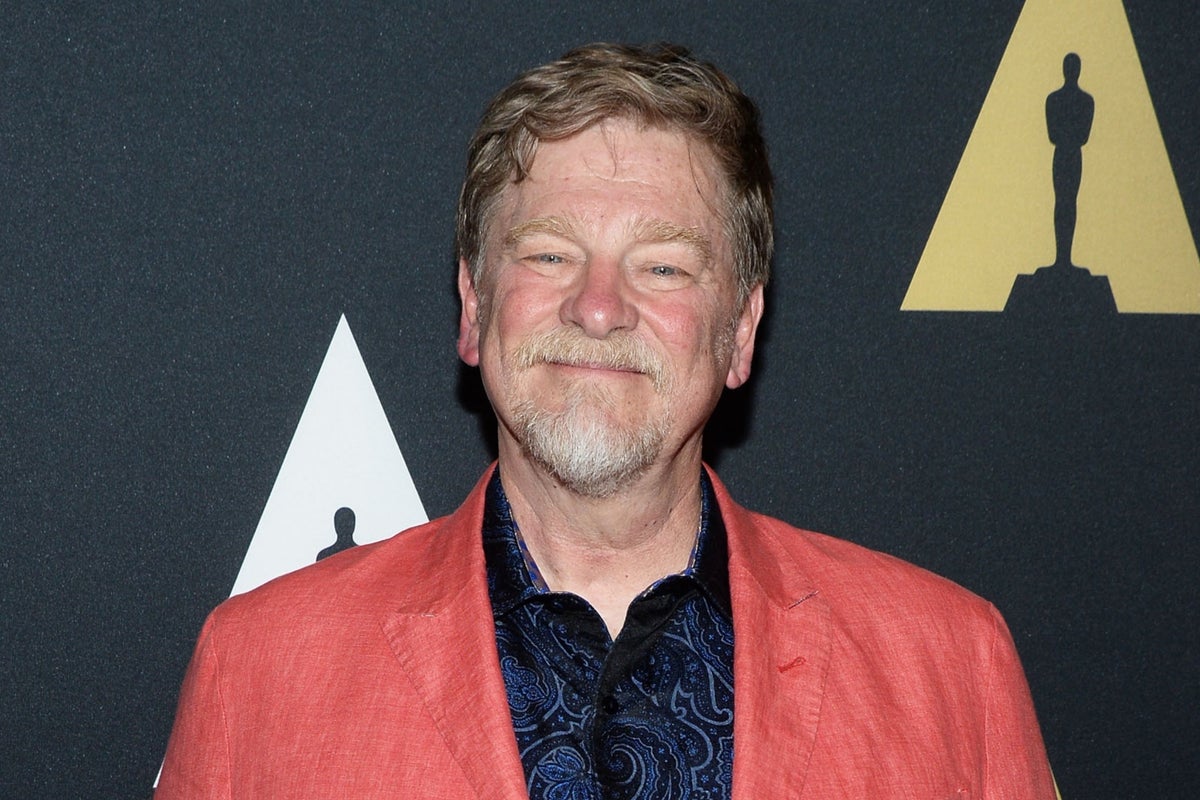
For many millennials, his films were not just movies but early lessons in courage, friendship, responsibility, and self-belief. Through characters and stories that felt simple on the surface, Allers delivered messages that stayed with audiences well into adulthood.
His passing marks the end of a creative journey that quietly influenced how animated films could speak to both children and adults without losing sincerity.
Roger Allers RIP and a legacy rooted in storytelling values
Roger Allers is best known for his role as co-director of The Lion King, a film that went on to become one of the most successful and emotionally resonant animated films in cinema history. The story’s themes of identity, loss, leadership, and redemption were presented in a way that children could understand, yet adults could reflect upon deeply.
The film’s impact extended far beyond its release. It became a cultural reference point, shaping how animated stories could address serious themes without becoming heavy or inaccessible. Allers’ contribution was central to creating that balance.
Before and after The Lion King, Allers was also associated with projects such as Aladdin, where storytelling was driven by character growth rather than spectacle alone. These films trusted the audience, especially younger viewers, to engage with ideas of choice, consequence, and inner strength.
Unlike many creators who chased trends, Allers focused on timeless narrative structures. His stories were not built around rapid change or novelty, but around values that could remain relevant across generations. This approach is one reason his films continue to resonate decades later.
Colleagues and critics have often noted that his work avoided excess. Emotional moments were earned, conflicts felt personal, and resolutions carried meaning. These qualities helped elevate animated cinema during a period now widely referred to as a golden age.
Roger Allers RIP and the films that defined a generation
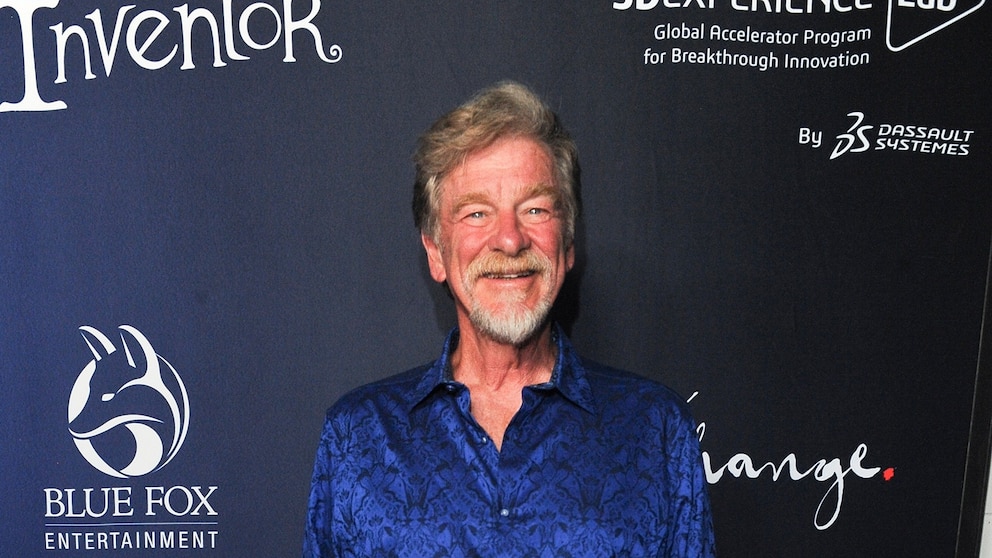
For millennials in particular, Roger Allers’ films formed a significant part of early emotional learning. Characters like Simba were not presented as flawless heroes but as individuals who struggled, failed, and grew. This made the stories relatable and lasting.
The idea of “finding one’s place” or “finding one’s voice” was central to many of his narratives. These themes quietly influenced how young viewers understood confidence, responsibility, and resilience.
Importantly, Allers’ films respected silence, music, and pacing. Emotional moments were allowed to breathe, giving audiences space to connect. This storytelling restraint is increasingly rare, which has led many to revisit his work with renewed appreciation.
His influence is evident not just in audience memory, but also in the way modern animated films continue to draw from the narrative foundations he helped establish.
Roger Allers RIP and the lasting imprint on animation
Roger Allers may not have been a constant public figure, but his work speaks loudly through the films he left behind. Animation historians credit him with helping prove that animated cinema could be emotionally serious without losing its universal appeal.
View this post on Instagram
As news of his passing spread, many reflected not only on specific films, but on the feeling those films created. They were stories that offered comfort, guidance, and a sense of belonging, often during formative years.
His passing serves as a reminder that lasting creative impact does not always come from visibility, but from consistency, integrity, and respect for storytelling. Also Read: Bigger budgets Driving Tamil Directors Toward Telugu Cinema in 2026
Conclusion
Roger Allers RIP is more than the loss of a filmmaker; it is the closing of a chapter that shaped how many people learned courage and empathy through cinema. His films remain, quietly continuing the work he began—speaking to new generations with the same honesty and care.
