
Incidents of police personnel allegedly being involved in criminal cases have drawn public attention and sparked concern over systemic issues within law enforcement structures. While such cases may involve a small fraction of the force, their impact on public trust is disproportionately large. Law enforcement agencies are expected to uphold the law, and any deviation from this role raises serious questions about accountability, oversight, and institutional culture. Recent discussions among legal experts, civil society groups, and administrators suggest that these incidents point to deeper structural and psychological challenges rather than isolated lapses.
The issue goes beyond individual misconduct and enters the realm of institutional integrity. When officers are implicated in crimes ranging from corruption to abuse of power, it weakens the moral authority of the policing system. Citizens who rely on the police for protection may hesitate to approach them if confidence erodes. Analysts argue that trust is the foundation of effective policing. Without it, cooperation between communities and law enforcement diminishes, making crime prevention more difficult and investigations less effective.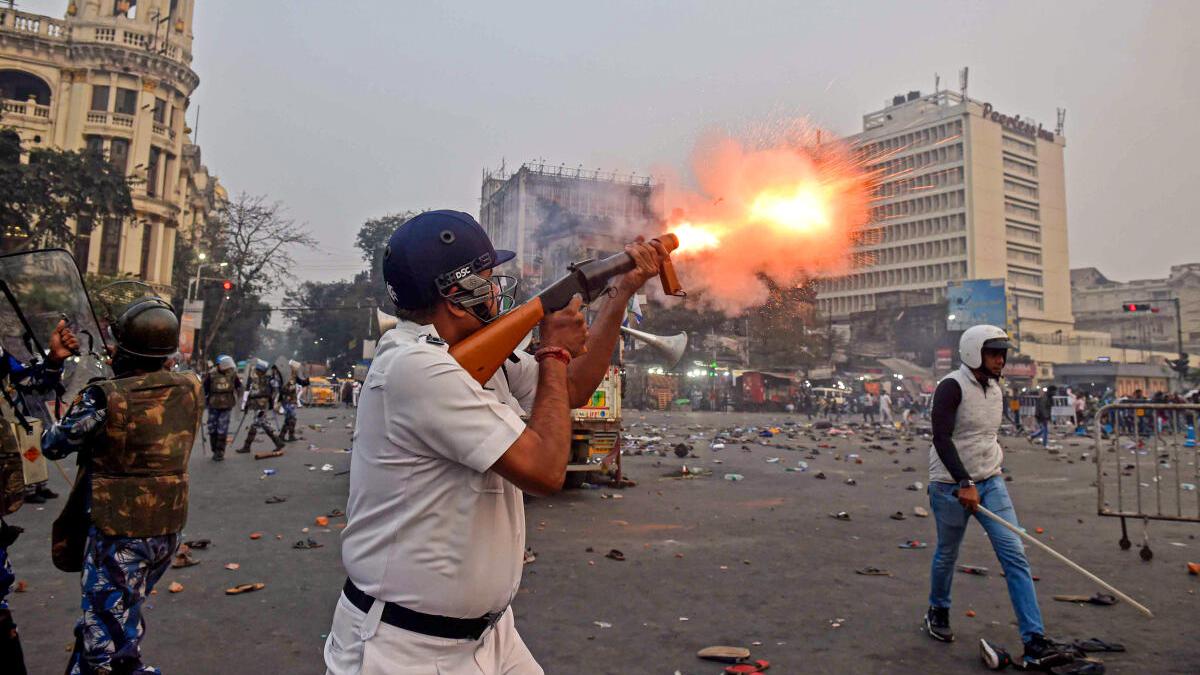
Experts note that policing is a high-pressure profession. Officers often work long hours, face stressful situations, and operate in environments where decisions must be made quickly. Without proper mental health support and professional guidance, such stress can contribute to poor judgment or burnout. However, specialists caution that occupational stress cannot excuse unlawful behavior. Instead, it signals the need for stronger institutional support systems that help officers manage pressure without compromising ethical standards.
Criminologists observing recent debates say that examining recruitment processes can offer insights into long-term reform. Screening procedures that assess not only physical fitness but also psychological readiness and ethical judgment may reduce future risks. Background verification, aptitude evaluations, and personality assessments help identify candidates suited to high-responsibility roles. Experts argue that recruitment should focus on integrity and community orientation alongside technical competence. Strengthening entry-level standards builds a foundation for professional conduct throughout an officer’s career, making prevention of misconduct more effective than corrective action after incidents occur.
Periodic performance reviews are another area where systemic improvements can be made. Evaluations that reward lawful conduct, conflict resolution skills, and community engagement may shift incentives away from purely numerical targets such as arrest counts. When institutional recognition values professionalism and restraint, organizational culture gradually aligns with democratic principles. Supervisors play a central role in this process by providing constructive feedback and addressing early signs of problematic behavior. Early intervention systems, supported by data, can flag patterns of complaints or stress indicators before they escalate.
The role of public oversight committees has also been discussed by governance experts. Involving independent members from civil society, legal backgrounds, and academia in review panels can strengthen credibility. Such bodies can examine complaints, recommend policy changes, and ensure transparency in disciplinary outcomes. Their presence reassures citizens that accountability does not remain confined within the same hierarchy. At the same time, safeguards must ensure that oversight remains balanced and informed, protecting both citizens’ rights and officers’ due process.
Media responsibility forms another dimension of the discussion. Sensational reporting can amplify fear and mistrust, while careful, fact-based coverage helps maintain perspective. Experts suggest regular communication between law enforcement agencies and media outlets to clarify procedures and provide verified updates during sensitive cases. Balanced information reduces speculation and prevents narratives from overshadowing facts. Responsible reporting, they note, supports public awareness without undermining institutional credibility or ongoing investigations.
Educational outreach in schools and colleges has been proposed as a long-term trust-building measure. Programs that explain legal rights, duties of police, and channels for grievance redressal can foster informed citizens. When young people understand how institutions function, they are more likely to engage constructively. Joint initiatives involving officers and educators can also humanize both sides, replacing stereotypes with dialogue. Such engagement builds a social environment where accountability and cooperation coexist.
Ultimately, addressing police involvement in crime requires sustained, multi-layered reform rather than isolated responses. From recruitment and training to oversight and community engagement, each layer contributes to institutional integrity. Experts emphasize that change is gradual but cumulative. Transparent leadership, consistent enforcement of standards, and continuous evaluation can strengthen law enforcement systems over time. By viewing challenges as opportunities for improvement, institutions can evolve to better serve society while upholding the rule of law and public confidence.
Training gaps have also entered the conversation. Modern policing requires not only physical readiness but also strong grounding in ethics, human rights, and conflict resolution. If training focuses primarily on enforcement without equal emphasis on accountability and restraint, the risk of misuse of authority increases. Continuous professional development programs, experts suggest, are essential for reinforcing values that align with democratic policing principles. Such programs should include legal literacy, communication skills, and psychological resilience.
Oversight mechanisms play a crucial role in preventing misconduct. Internal disciplinary systems must be transparent and independent enough to act without bias. Where oversight bodies lack autonomy or resources, cases of wrongdoing may go unaddressed, creating a perception of impunity. Legal scholars argue that strong accountability frameworks not only deter misconduct but also protect honest officers by maintaining the institution’s credibility. Strengthening complaint redressal systems and ensuring timely investigation of allegations are seen as critical steps.
Public perception is shaped not only by the frequency of incidents but also by how authorities respond. Swift, transparent action against wrongdoing sends a message that no one is above the law. Conversely, delayed or opaque processes can fuel suspicion and resentment. Administrators emphasize that communication during such situations must be clear and factual to prevent misinformation. Maintaining transparency while respecting due process is a delicate but necessary balance.

SYSTEMIC CHALLENGES WITHIN POLICING STRUCTURES
One major structural issue often cited is workload imbalance. In many regions, police forces operate with staff shortages, leading to excessive responsibilities for individual officers. Fatigue and overextension can reduce attention to procedure and increase vulnerability to mistakes or poor decisions. Experts recommend rationalizing duties, improving recruitment, and leveraging technology to reduce manual burdens. Better working conditions, they argue, can improve morale and reduce the risk of ethical lapses.
Hierarchical pressures within police organizations may also influence behavior. Junior officers sometimes face expectations to meet performance targets or follow informal practices that may conflict with legal norms. Without safe channels to question unlawful instructions, individuals may feel compelled to comply. Institutional reforms that encourage ethical reporting and protect whistleblowers are seen as important safeguards. Creating a culture where adherence to law is valued over numerical targets can reduce systemic risks.
Political and social pressures further complicate the landscape. Police institutions often operate in environments where public expectations, media scrutiny, and political dynamics intersect. When officers are drawn into partisan or extralegal influences, institutional neutrality can suffer. Analysts stress the importance of insulating policing functions from undue interference. Clear guidelines and professional autonomy help maintain focus on lawful duty rather than external demands.
Resource limitations can also affect conduct. Lack of proper equipment, infrastructure, or training facilities may push officers to rely on informal methods. Investment in modernization, including forensic capabilities and digital tools, reduces dependence on coercive practices. When systems support lawful investigation methods, officers are less likely to resort to shortcuts that may cross legal boundaries.
Cultural factors within institutions deserve attention as well. If informal norms tolerate minor misconduct, more serious violations can gradually emerge. Leadership plays a key role in setting expectations. Senior officers who model ethical conduct and enforce discipline consistently create an environment where professionalism becomes the standard. Organizational culture, experts say, is shaped as much by daily behavior as by formal rules.
RESTORING TRUST AND BUILDING ACCOUNTABILITY
Restoring public confidence requires both preventive and corrective measures. Transparent investigation processes for alleged misconduct are central to this effort. Independent review bodies, judicial oversight, and civilian participation in monitoring mechanisms can enhance credibility. When communities see that complaints are handled fairly, trust begins to rebuild. Accountability, experts emphasize, is not anti-police but pro-institution, strengthening legitimacy.
Community policing initiatives offer another path toward rebuilding relationships. Regular engagement with residents through meetings, outreach programs, and joint problem-solving efforts fosters mutual understanding. When police are seen as partners rather than distant enforcers, the social gap narrows. Such relationships also help officers understand local concerns, reducing misunderstandings that could escalate into conflict.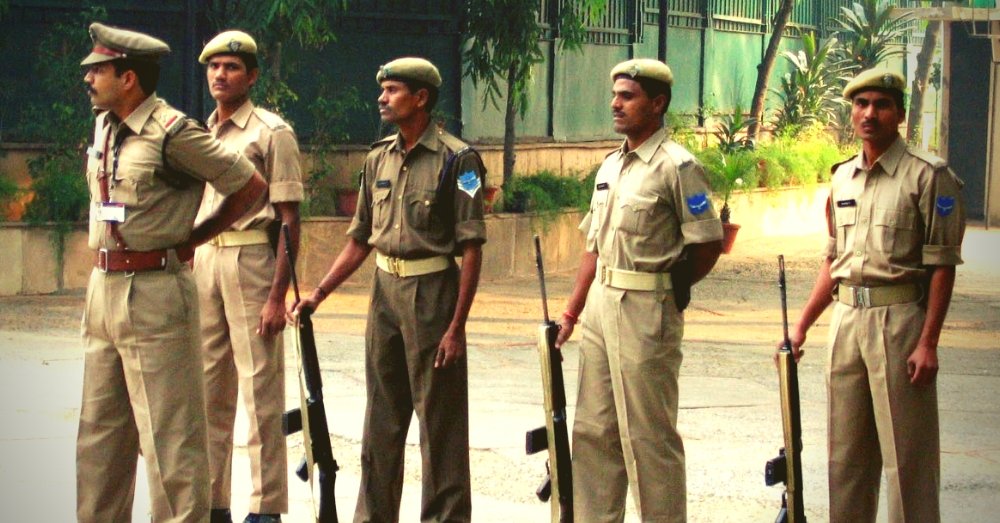
Mental health and wellness programs for officers are gaining recognition as necessary investments. Counseling services, peer support systems, and stress management workshops can help personnel cope with occupational pressures. Supporting officers’ well-being ultimately benefits the public by promoting balanced decision-making. Experts argue that caring for the force internally is a preventive strategy against external misconduct.
Legal reforms may also be part of long-term solutions. Updating laws to reflect modern policing challenges, clarifying use-of-force standards, and ensuring clear procedural guidelines reduce ambiguity. When officers understand the legal boundaries of their authority, compliance improves. Periodic legal education keeps personnel aware of evolving standards and judicial interpretations.
Technology can enhance accountability as well. Body cameras, digital record systems, and automated tracking of procedures create verifiable records. Such tools protect both citizens and officers by providing objective evidence. However, experts caution that technology must be paired with ethical governance and data protection measures.
Ultimately, incidents of police involvement in crime highlight the need for continuous institutional reflection. Policing is a cornerstone of democratic governance, and its strength lies in public trust. By addressing structural weaknesses, reinforcing ethical culture, and maintaining transparent oversight, authorities can ensure that law enforcement remains aligned with its core mission. The challenge is ongoing, but sustained commitment to reform can transform moments of crisis into opportunities for stronger, more accountable institutions.
Follow: Karnataka Government
Also read: Home | Channel 6 Network – Latest News, Breaking Updates: Politics, Business, Tech & More
