
The Bengal Padma Shri honours 2026 have brought immense pride to the state. Eleven individuals from Bengal were conferred the Padma Shri, India’s fourth‑highest civilian award, announced by the Union Home Ministry on the eve of Republic Day. Among them, the most celebrated name was Prosenjit Chatterjee, the iconic actor who has dominated Bengali cinema for decades.
This year’s awards reflect the diverse contributions of Bengal’s citizens—from cinema and literature to music, weaving, embroidery, education, and social service.
2. Prosenjit Chatterjee – The Cinema Legend
- Career span: Over 40 years, with more than 350 films.
- Genres: Balanced mainstream commercial cinema with parallel art films.
- Collaborations: Worked with directors like Rituparno Ghosh, Buddhadeb Dasgupta, and Srijit Mukherji.
- Legacy: Known as “Bumba Da,” he is regarded as the face of modern Bengali cinema.
- Significance: His Padma Shri is seen as overdue recognition of his contribution to Indian cinema.
3. Other Bengal Padma Shri Awardees
The list of 11 includes:
- Ashok Kumar Halder (Malda): Dalit writer and educator, began as a railway security guard, later recognised for literature.
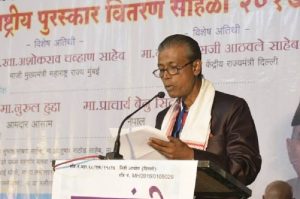
- Harimadhav Mukherjee (Dakshin Dinajpur): Theatre personality, directed over 60 plays in regional languages; honoured posthumously.


- Jyotish Debnath (Purba Burdwan): Weaver, trained over 10,000 artisans in Jamdani weaving.
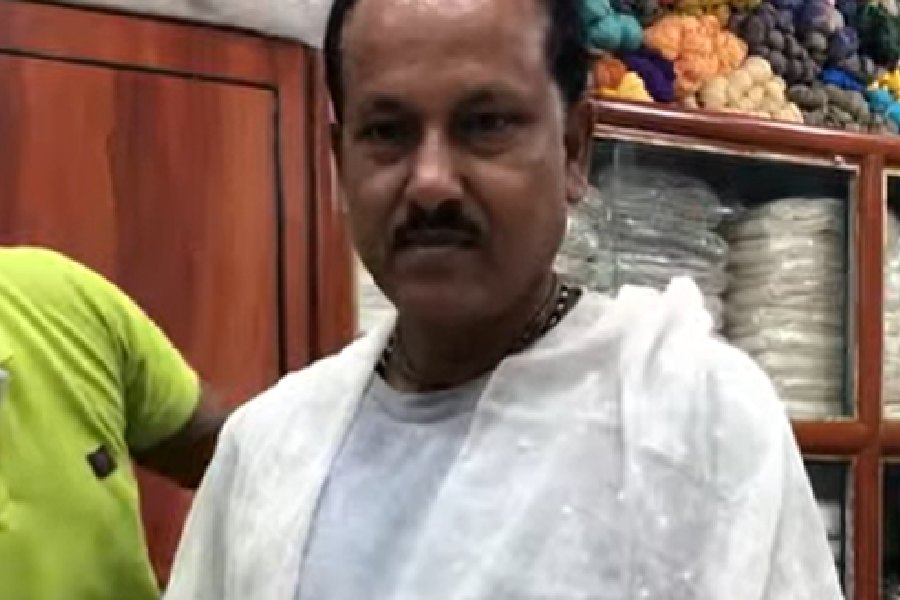
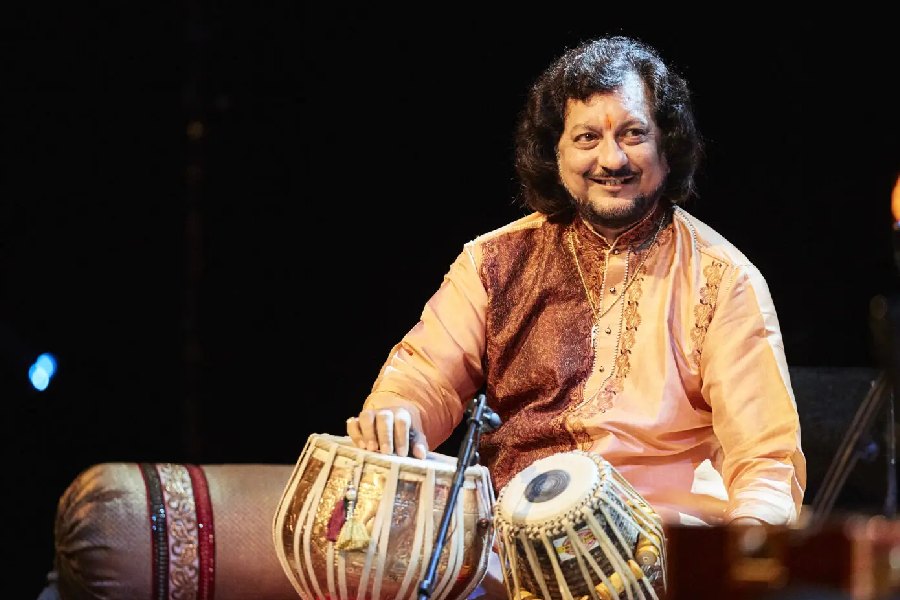
- Kumar Bose (Kolkata): Tabla maestro of the Banaras Gharana, earlier recipient of Sangeet Natak Akademi Award.
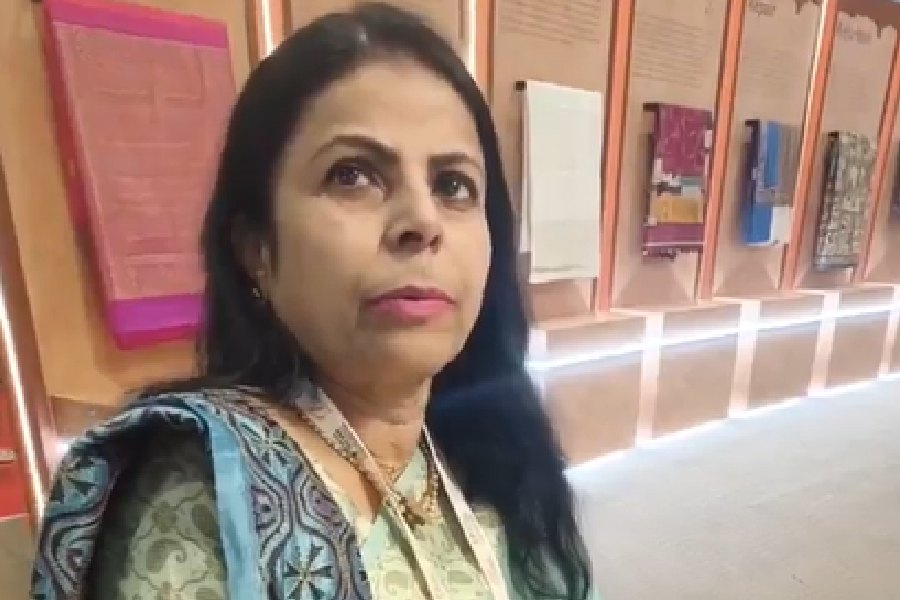
- Tripti Mukherjee (Birbhum): Kantha embroidery artist, trained over 20,000 women, empowering rural livelihoods.
- Tarun Bhattacharya: Santoor player, internationally acclaimed.
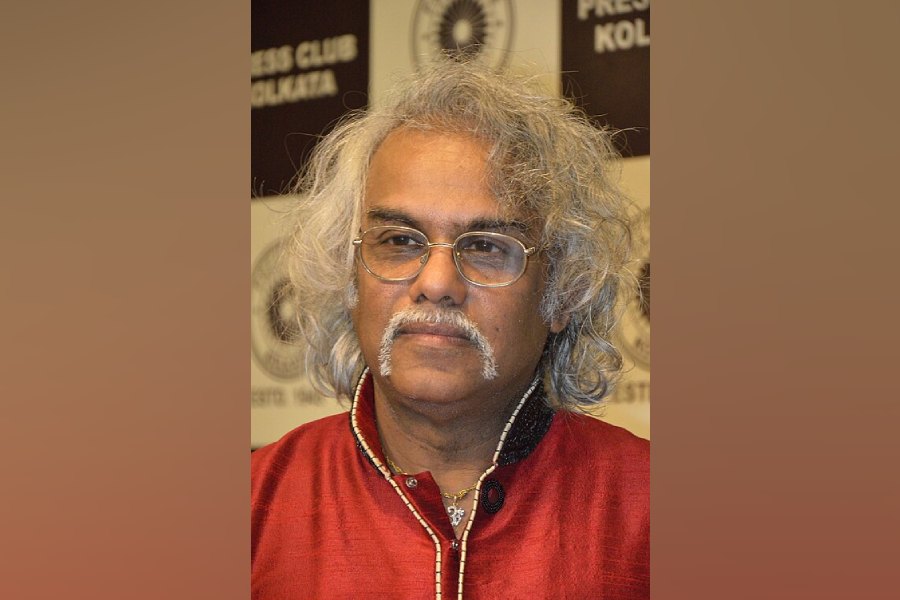
- Saroj Mondal: Cardiologist, recognised for contributions to medicine.
- Ravi Lal Tudu: Santali writer, honoured for literature and education.
- Mahendranath Roy: Chemistry professor and researcher, recognised for education.
- Gambhir Singh Yonzone (Darjeeling): Educationist and social activist.
4. Why These Awards Matter
- Cultural pride: Reinforces Bengal’s reputation as a hub of art, literature, and music.
- Social impact: Recognises grassroots contributions in education and craft.
- Political undertones: Announced in a poll year, sparking debates about timing.
- National integration: Highlights diversity of India’s civilian honours.
5. Bengal Padma Shri Honours 2026: Governance Challenges
The Padma Shri awards in Bengal highlight systemic governance issues:
- Merit vs politics: Concerns about electoral timing influencing recognition.
- Transparency: Calls for clearer criteria in award selection.
- Regional balance: Ensuring fair representation of states.
- Public trust: Citizens must believe awards are based on genuine contributions.
6. Community Reaction
- Fans of Prosenjit: Celebrated the recognition, calling it long overdue.
- Artists: Welcomed the spotlight on Bengal’s cultural richness.
- Students: Inspired by awardees’ journeys.
- Civil society groups: Urged depoliticisation of awards.
7. Government External Links for Assistance
- Government of West Bengal: https://wb.gov.in
- Supreme Court of India:
https://main.sci.gov.in(main.sci.gov.in in Bing) - Election Commission of India: https://eci.gov.in
- Ministry of Home Affairs: https://mha.gov.in
- Ministry of Culture:
https://indiaculture.gov.in(indiaculture.gov.in in Bing)
8. Historical Context of Padma Awards in Bengal
- 1960s–70s: Icons like Satyajit Ray and Amartya Sen honoured.
- 1990s: Folk artists and social workers recognised.
- 2010s: Contemporary musicians and scientists awarded.
- 2026: Prosenjit’s Padma Shri adds to Bengal’s long list of cultural icons.
9. Global Comparisons
Similar honours worldwide:
- USA: Presidential Medal of Freedom celebrates contributions across fields.
- UK: Order of the British Empire recognises cultural and social service.
- France: Legion of Honour awarded to artists, scientists, and activists.
India’s Padma awards mirror these global practices where civilian honours strengthen national identity and cultural pride.
10. Governance Lessons
The Bengal Padma Shri awards teach:
- Awards must remain merit‑based.
- Transparency builds trust.
- Regional representation enriches national identity.
- Depoliticisation ensures credibility.
11. Future Outlook – Civilian Honours in India
India must move towards:
- Digitised nomination systems for transparency.
- Public dashboards showing awardee contributions.
- Annual heritage festivals celebrating awardees.
- Educational campaigns linking awards with civic responsibility.
✅ Conclusion
The Bengal Padma Shri honours 2026 are more than a list of awards—they are a celebration of Bengal’s cultural, intellectual, and social contributions to India. As Prosenjit Chatterjee and 10 others receive recognition, the awards also spark debate about merit, politics, and governance in a poll year. For Bengal, the lesson is clear: democracy and culture thrive when governance delivers clarity, fairness, and respect for citizens’ achievements.
Also read: Home | Channel 6 Network – Latest News, Breaking Updates: Politics, Business, Tech & More
