
The District Development Coordination and Monitoring Committee (DISHA) in Shivamogga has adopted a resolution expressing strong support for the VB Gram G initiative, marking a significant moment in the district’s development discourse. The decision was taken during a committee meeting attended by elected representatives, officials from various departments, and local stakeholders. Members emphasized that the programme holds substantial potential for rural transformation, infrastructure strengthening, and improved delivery of government services at the grassroots level. The resolution reflects a unified stance aimed at accelerating development efforts and ensuring that benefits reach the intended communities efficiently.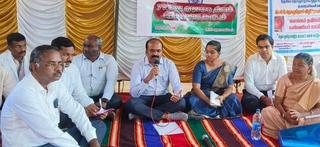
Officials present at the meeting stated that the committee reviewed the progress of ongoing schemes and identified VB Gram G as a key intervention capable of bridging development gaps in rural areas. Discussions focused on the need for better coordination among departments, timely fund utilization, and active monitoring of implementation at the village level. The resolution urges authorities to prioritize planning and execution under the initiative, highlighting its role in strengthening livelihoods, connectivity, and basic civic amenities.
Committee members noted that rural communities continue to face challenges related to infrastructure, access to services, and economic opportunities. By supporting VB Gram G, the DISHA committee signaled its intention to address these concerns through structured and targeted interventions. Officials stressed that effective implementation would depend on collaboration between local administrations, elected representatives, and community groups. Emphasis was placed on transparency, accountability, and regular review mechanisms to track progress.
The meeting also reviewed data on district-level development indicators, identifying areas where additional support and resources may be required. Members expressed optimism that the initiative would enhance coordination between central and state government schemes, ensuring that duplication is avoided and resources are used efficiently. The resolution called for strengthening monitoring systems to ensure that outcomes are measurable and aligned with the district’s development priorities.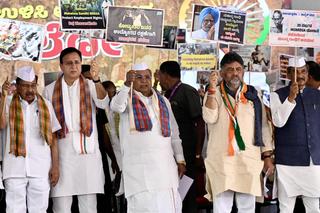
FOCUS ON RURAL GROWTH AND DISHA COMMUNITY WELFARE
The resolution underscores the importance of focusing on rural welfare as a cornerstone of balanced regional development. Committee members highlighted that VB Gram G could play a transformative role in improving rural roads, sanitation, drinking water supply, and public facilities. Enhancing such infrastructure is expected to boost economic activity, improve living standards, and reduce migration pressures on urban centers.
Representatives from line departments outlined plans to align their ongoing projects with the objectives of the initiative. This includes integrating agricultural support schemes, skill development programmes, and health outreach efforts to create a comprehensive development framework. Officials emphasized that convergence of schemes would lead to more efficient outcomes and better service delivery.
Community participation emerged as a central theme during the discussions. Members stressed that involving local residents in planning and monitoring processes would ensure that development works address real needs. Village-level committees and local bodies are expected to play an active role in identifying priorities and providing feedback, strengthening accountability and ownership.
The committee also highlighted the need for capacity building among field-level staff to ensure effective execution. Training programmes, technical support, and digital monitoring tools are expected to be introduced to enhance efficiency. Members noted that empowering frontline workers is essential for translating policy directives into tangible outcomes on the ground.
The DISHA committee’s endorsement is seen as a morale booster for officials and stakeholders involved in the initiative. Observers noted that such institutional backing can accelerate implementation and foster a results-oriented approach. By adopting the resolution, the committee has sent a clear message about its commitment to inclusive development and coordinated governance in Shivamogga district.
Finally, members expressed hope that the support for VB Gram G would lead to visible improvements in rural living conditions over the coming months. They emphasized that sustained monitoring, timely intervention, and cooperation among all stakeholders will be key to achieving the intended goals. The resolution marks a collective step toward strengthening development efforts and ensuring that progress reaches every section of society in the district.
The adoption of the resolution is expected to strengthen institutional coordination at multiple administrative levels. Officials indicated that district authorities will now work more closely with taluk and gram panchayat bodies to ensure that planning under VB Gram G reflects ground realities. Structured review meetings, data sharing, and inter-departmental consultations will form part of the monitoring framework. Members noted that such coordination reduces duplication of work and helps address bottlenecks swiftly. By aligning local priorities with broader development goals, the district aims to create a seamless implementation process that delivers timely and measurable improvements in rural infrastructure and public services.
Financial planning was also discussed extensively during the meeting. Committee members stressed the need for efficient utilization of allocated funds and timely release of resources to implementing agencies. Transparent accounting practices and digital tracking systems are expected to enhance oversight and prevent delays. Officials noted that financial discipline is critical for ensuring that development works proceed without interruption. By maintaining strict adherence to budgetary guidelines, the administration hopes to maximize the impact of available resources and avoid cost overruns, thereby strengthening public confidence in governance and programme execution across the district.
Special attention is likely to be given to vulnerable and underserved communities under the initiative. Members emphasized that development interventions must be inclusive and address disparities in access to services. Remote villages, marginalized groups, and economically weaker sections are expected to receive focused support through targeted schemes. Officials highlighted that inclusive planning ensures equitable growth and social stability. The committee underlined the importance of social audits and community feedback mechanisms to verify that benefits are reaching intended beneficiaries, thereby reinforcing transparency and accountability at every stage of implementation.
Agriculture and allied sectors were identified as key areas where the initiative could bring tangible benefits. Improved irrigation, soil conservation measures, and access to agricultural support services are expected to enhance productivity and income levels for farmers. Members suggested that convergence with existing agricultural schemes could provide technical guidance, market access, and financial assistance. Officials noted that strengthening rural livelihoods reduces economic vulnerability and contributes to overall district development. Emphasis was placed on promoting sustainable farming practices that balance productivity with environmental conservation.
The committee also discussed the role of digital tools in enhancing monitoring and service delivery. Real-time tracking of project progress, digital documentation, and online grievance redressal systems are expected to improve efficiency and responsiveness. Officials indicated that digital platforms will allow better data management and quicker decision-making. Members highlighted that technology integration not only increases transparency but also empowers citizens to engage with governance processes. By adopting digital solutions, the administration aims to modernize rural development practices and ensure that progress is consistently measured and reported.
Health and education sectors are expected to benefit from coordinated planning under the resolution. Members noted that improved infrastructure, better connectivity, and integrated service delivery can enhance access to schools, healthcare centers, and welfare facilities. Officials highlighted the importance of upgrading primary health centers, ensuring availability of medical staff, and improving sanitation in rural institutions. Similarly, investments in school infrastructure and learning resources were emphasized as essential for long-term development. The initiative aims to create an environment where social services are strengthened alongside physical infrastructure.
Environmental sustainability was another key aspect discussed by the committee. Members stressed that development must proceed in harmony with ecological considerations, including water conservation, afforestation, and waste management. Officials indicated that guidelines would be followed to minimize environmental impact while executing infrastructure works. Emphasis was placed on promoting green practices and community awareness to protect natural resources. By integrating environmental safeguards, the initiative seeks to ensure that development gains are sustainable and beneficial for future generations, maintaining the ecological balance of the district.
Youth engagement and skill development were highlighted as important components of rural progress. Members observed that empowering young people with vocational training and employment opportunities strengthens the local economy. Officials indicated that partnerships with training institutions and industry bodies could help equip youth with relevant skills. By linking skill development with local economic activities, the initiative aims to reduce unemployment and migration. Encouraging youth participation in community development activities was also seen as a way to build leadership and civic responsibility.
The role of women’s participation in development efforts was strongly emphasized during the discussions. Members noted that involving women’s self-help groups and local leaders ensures that development initiatives address household-level concerns effectively. Officials stated that economic empowerment of women through livelihood programmes and financial inclusion initiatives would remain a priority. Strengthening women’s participation in planning and monitoring processes was seen as essential for inclusive governance. The committee highlighted that empowering women contributes significantly to social progress and community resilience.
Finally, the DISHA committee reiterated its commitment to continuous evaluation and course correction. Members agreed that regular assessments, field visits, and stakeholder consultations would help identify challenges and improve implementation strategies. Officials expressed confidence that sustained monitoring and cooperation among departments would translate policy intentions into tangible outcomes. The resolution, they noted, represents not just administrative approval but a collective responsibility to ensure meaningful development. The committee’s unified stance is expected to drive momentum, ensuring that the initiative delivers visible and lasting improvements across Shivamogga district.
Follow: Karnataka Government
Also read: Home | Channel 6 Network – Latest News, Breaking Updates: Politics, Business, Tech & More
