
Karnataka has taken a significant step in labour welfare by constituting a dedicated Gig Workers’ Welfare Board, marking a landmark moment for thousands engaged in app-based and platform-driven employment across the State. The move recognizes the rapidly expanding gig economy and the unique vulnerabilities faced by workers who operate outside traditional employer-employee frameworks. Officials stated that the board will function as a structured mechanism to address social security, safety, and welfare concerns of gig and platform workers. The decision has been welcomed by labour rights groups, policy experts, and worker collectives, who have long demanded institutional support and recognition.
The constitution of the Gig Workers’ Welfare Board in Karnataka marks a significant step toward recognizing the rapidly expanding platform-based workforce within the formal welfare framework. Officials stated that the board will focus on social security, income stability, and occupational safety for workers engaged in app-based transport, delivery services, and freelance digital tasks. The move follows growing demands from labour unions and civil society groups that gig workers, often classified as independent contractors, remain outside traditional labour protections. By institutionalizing a dedicated body, the State aims to bridge regulatory gaps and extend structured support mechanisms to this vulnerable yet essential segment.
According to government sources, the board will include representatives from various departments, labour experts, platform aggregators, and worker associations to ensure balanced decision-making. Its mandate is expected to cover policy recommendations, grievance redressal, and the design of welfare schemes tailored to gig workers’ needs. Officials indicated that consultation with stakeholders was carried out before finalizing the board’s structure. The inclusion of worker representatives is viewed as a crucial measure to make welfare initiatives more responsive to ground realities, especially regarding income fluctuations, lack of insurance coverage, and limited access to formal credit systems.
One of the primary objectives of the board will be to create a comprehensive database of gig workers operating across Karnataka. Authorities believe accurate data is essential for implementing targeted benefits such as accident insurance, health coverage, and pension schemes. Registration drives are expected to be conducted through digital platforms, allowing workers to enroll using mobile applications or designated facilitation centres. Labour officials emphasized that proper identification will help the State monitor employment trends in the gig economy and assess the scale of social security requirements more effectively in the coming years.
Funding mechanisms for welfare schemes are also under consideration, with officials suggesting a combination of State support, nominal worker contributions, and levies on platform companies. The proposal reflects attempts to share responsibility among stakeholders benefiting from gig-based services. Labour economists noted that sustainable funding is key to ensuring long-term viability of welfare measures. However, discussions are ongoing regarding contribution rates and compliance structures. Ensuring that financial obligations do not burden workers while still generating sufficient resources remains one of the board’s immediate policy challenges.
Worker unions have welcomed the formation of the board, describing it as a long-awaited acknowledgment of gig workers’ contribution to urban economies. Representatives highlighted that delivery personnel and ride-hailing drivers often face long working hours, unpredictable earnings, and safety risks without adequate support. They urged the government to prioritize accident compensation and health insurance in the initial phase of implementation. Civil society groups also stressed the need for gender-sensitive provisions, as an increasing number of women are entering platform-based employment, often balancing domestic responsibilities alongside irregular work schedules.
Industry stakeholders, including platform companies, have expressed cautious optimism about the board’s formation. While acknowledging the need for worker welfare, some firms emphasized the importance of maintaining operational flexibility that defines gig-based models. They called for dialogue to ensure that regulatory frameworks do not disrupt service efficiency or increase costs excessively. Government officials assured that consultations will continue to balance innovation with social protection. The board is expected to serve as a forum for such discussions, reducing friction between labour rights advocates and digital service providers.
Experts believe Karnataka’s initiative could influence broader national policy on gig worker protections. As digital platforms expand across sectors, the absence of clear welfare frameworks has become a pressing concern. By establishing a dedicated board, the State positions itself as an early mover in addressing labour issues in the platform economy. Observers noted that effective implementation, transparent governance, and timely delivery of benefits will determine the board’s success. If executed well, the model could provide a reference for other States seeking to safeguard gig workers’ livelihoods.
The gig economy in Karnataka has grown rapidly in recent years, driven by sectors such as food delivery, ride-hailing services, logistics, domestic services, and freelance digital work. While this model has created flexible employment opportunities, it has also raised concerns regarding income instability, lack of health coverage, accident insurance, and job security. By establishing the welfare board, the government has acknowledged the need to balance innovation and worker protection. Officials noted that the board will work toward developing schemes that ensure basic protections without undermining the flexibility that defines gig work.
Authorities emphasized that the board’s formation reflects a broader commitment to inclusive growth. As urban centers like Bengaluru expand as technology hubs, the workforce supporting digital platforms has become an essential part of the economic ecosystem. However, many gig workers have lacked access to benefits available to formal sector employees. The new welfare board is expected to bridge this gap by designing targeted interventions such as insurance coverage, financial assistance during emergencies, and skill development initiatives. Policymakers believe such measures will enhance both worker well-being and sector sustainability.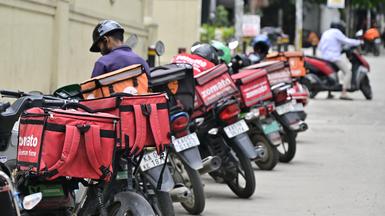
Initial discussions suggest that the board will include representatives from government departments, labour experts, and worker associations to ensure diverse perspectives. This structure aims to foster transparency and participatory decision-making. Officials indicated that consultations with platform companies may also be part of the process to create workable policies that align with operational realities. The emphasis remains on creating a balanced regulatory environment that protects workers while allowing digital enterprises to thrive.
Labour organizations have described the move as a progressive recognition of changing employment patterns. They argue that gig workers often face unpredictable work hours, limited bargaining power, and exposure to occupational risks. Establishing a welfare board institutionalizes support mechanisms and provides a formal avenue for grievance redressal. Experts noted that this step could set a precedent for other states to follow, contributing to a national conversation on social security for non-traditional workers.
The announcement also carries economic significance. By ensuring better welfare measures, the government aims to stabilize the gig workforce, reduce attrition, and enhance productivity. A more secure workforce can improve service quality and reliability in sectors heavily dependent on gig labour. Analysts observed that integrating social security into emerging employment models reflects adaptive governance, aligning labour policy with technological and economic transformations.
SOCIAL SECURITY FRAMEWORK AND GIG WORKER PROTECTION
A primary focus of the Gig Workers’ Welfare Board will be designing social security schemes tailored to the needs of gig workers. These may include accident insurance, health coverage, maternity benefits, and financial aid during periods of illness or disability. Officials indicated that contributions for these schemes could involve a mix of government support and platform participation, ensuring sustainability. Experts stressed that such measures are essential in an industry where workers often bear occupational risks without institutional safeguards.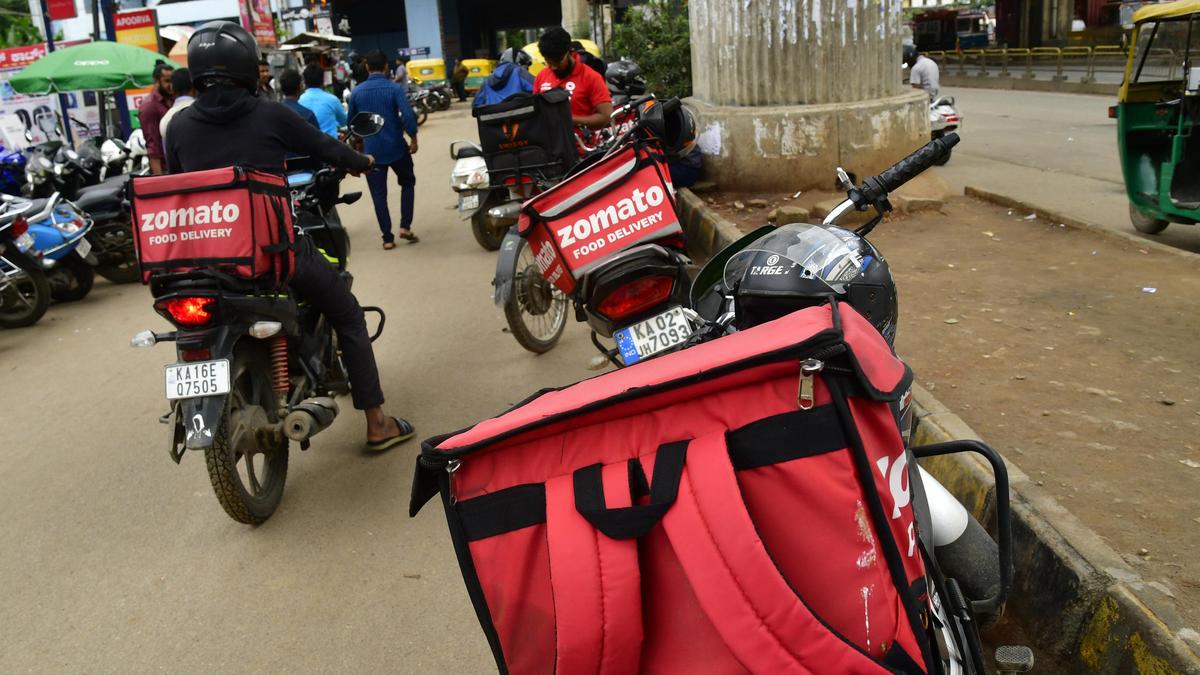
The board is also expected to address income security. Gig workers frequently face fluctuating earnings based on demand, platform algorithms, and competition. By studying wage patterns and working conditions, the board may recommend policies that promote fair compensation practices. Labour advocates highlighted that transparency in payment structures and dispute resolution mechanisms would strengthen trust between workers and platform companies.
Skill development and training are anticipated to form another key component of the board’s mandate. As technology evolves, gig workers may require new skills to remain competitive and access better opportunities. Officials stated that training programmes could focus on digital literacy, financial planning, and safety practices. By enhancing skills, the initiative aims to empower workers to diversify income sources and improve long-term employability.
Grievance redressal is a crucial aspect of worker welfare in the gig economy. Workers often face issues such as account deactivation, unfair ratings, or delayed payments without clear channels for appeal. The welfare board is expected to establish mechanisms that allow workers to raise concerns and seek resolution. Such processes can foster accountability and reduce conflicts within platform ecosystems.
Experts have also pointed out the importance of data collection. Reliable data on the number of gig workers, income trends, and occupational hazards is limited. The board may undertake surveys and research to inform policy decisions. Accurate data will enable targeted interventions and evaluation of scheme effectiveness, ensuring that resources are used efficiently.
Women gig workers and those from marginalized communities stand to benefit significantly from the initiative. Many face additional challenges, including safety concerns and limited access to resources. The board’s policies are expected to incorporate gender-sensitive measures and inclusivity, promoting equitable participation in the gig economy.
Platform companies are likely to play a role in implementing welfare measures. While discussions on contribution structures continue, experts note that collaboration between government and industry is essential. A cooperative approach can ensure that worker protections are practical and do not disrupt service delivery.
Public policy analysts have described the move as forward-looking, acknowledging that employment structures are evolving globally. By addressing gig worker welfare proactively, Karnataka positions itself as a leader in adapting labour policies to modern economic realities. The initiative may also attract positive attention from national and international observers.
Worker collectives have expressed cautious optimism, emphasizing the need for effective implementation. They noted that policy announcements must translate into accessible benefits. Continuous monitoring, transparent communication, and worker participation will be key to the board’s success.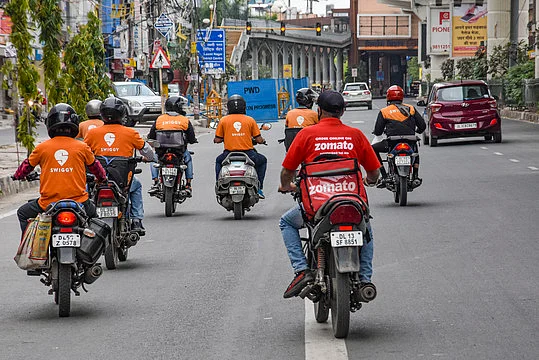
Finally, the constitution of the Gig Workers’ Welfare Board represents a step toward redefining labour welfare in the digital age. It reflects recognition of the dignity and contribution of gig workers who form the backbone of many urban services. As the board begins its work, stakeholders hope it will create a supportive framework that balances innovation, economic growth, and social justice, setting a model for inclusive development in a rapidly changing employment landscape.
Follow: Karnataka Government
Also read: Home | Channel 6 Network – Latest News, Breaking Updates: Politics, Business, Tech & More
