
The Karnataka government has announced a significant administrative and symbolic decision that all Gram Panchayat offices across the State will be named after Mahatma Gandhi, aligning rural governance spaces with the ideals of the Father of the Nation. The move comes under the banner of “Lok Bhavan Chalo,” a campaign intended to reconnect citizens with grassroots democratic institutions. Officials described the initiative as both a tribute to Gandhian philosophy and a practical step toward strengthening people’s participation in village administration. The decision is expected to affect thousands of local bodies, making the name “Mahatma Gandhi” a visible and constant presence in everyday governance.
According to senior officials in the Rural Development and Panchayat Raj Department, the renaming exercise is designed to reinforce the spirit of decentralization that Gandhi strongly advocated. Village-level governance, in his vision, formed the backbone of a self-reliant nation. By associating Panchayat offices with his name, authorities aim to remind both elected representatives and citizens of values such as transparency, accountability, and service. The campaign is also intended to symbolically shift public perception of Panchayat offices from mere administrative centres to people-oriented institutions rooted in ethical governance and collective responsibility.
The “Lok Bhavan Chalo” slogan accompanying the initiative encourages villagers to approach their Panchayat offices more frequently to address civic issues, welfare benefits, and development needs. Officials noted that many rural residents still hesitate to engage with formal institutions due to lack of awareness or confidence. By creating a strong emotional and historical association through Gandhi’s name, the government hopes to reduce this psychological distance. Public outreach programmes, awareness drives, and signage in local languages are expected to support the effort, making Panchayat spaces more welcoming and accessible to all sections of society.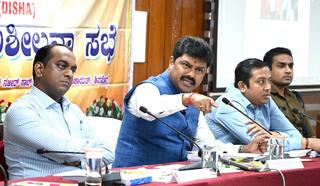
Elected representatives at the village level have responded positively, stating that the move could enhance the dignity and visibility of Panchayat institutions. Many believe that invoking Gandhian identity may inspire stricter adherence to ethical practices and discourage corruption or negligence in local administration. Some Panchayat Development Officers observed that the symbolic step may also improve public trust, encouraging greater attendance at Gram Sabhas and community meetings. Increased citizen involvement is seen as vital for effective implementation of schemes related to sanitation, drinking water, rural housing, and livelihood support.
Political observers see the decision as part of a broader narrative emphasizing rural empowerment and grassroots democracy. Karnataka has a long tradition of Panchayat Raj reforms, and this initiative adds a cultural and ideological dimension to administrative functioning. While critics argue that symbolism must be backed by tangible improvements in service delivery, officials maintain that identity and values play an important role in shaping institutional behaviour. The government has clarified that the renaming will not involve major financial expenditure, as existing buildings will only undergo minor modifications such as new name boards and informational displays.
GANDHIAN VALUES AND RURAL GOVERNANCE FOCUS
The initiative places renewed emphasis on Gandhian principles such as self-sufficiency, collective decision-making, and non-violent conflict resolution within village communities. Authorities stated that Panchayat offices bearing Gandhi’s name should serve as centres where disputes are resolved through dialogue and consensus rather than prolonged litigation. Training modules for local officials may include sessions on ethical leadership and participatory governance, linking administrative duties with moral responsibility. The symbolic association is expected to encourage Panchayat leaders to act as facilitators of community harmony, reflecting Gandhi’s belief in inclusive and cooperative rural societies.
Education and awareness components are also being integrated into the programme. Plans are underway to display brief information about Gandhi’s contributions and his vision for village republics within Panchayat premises. These displays aim to educate younger generations visiting the offices for certificates, services, or meetings. Teachers and local volunteers may collaborate to conduct discussions on civic duties and community service, turning Panchayat spaces into informal centres of learning. Officials believe that embedding historical awareness into daily governance environments can gradually nurture a more responsible and engaged citizenry.
Women’s self-help groups and youth organizations are expected to play a crucial role in mobilizing community participation under the “Lok Bhavan Chalo” campaign. Authorities have indicated that special Gram Sabha sessions may be organized to discuss local development priorities, with increased emphasis on inclusion of marginalized voices. By invoking Gandhi’s commitment to social equality, the initiative seeks to ensure that decision-making processes are more representative. Increased participation from women, Scheduled Castes, Scheduled Tribes, and economically weaker groups is considered essential to making rural governance genuinely democratic and equitable.
Rural development experts note that physical symbols can influence institutional culture when combined with functional reforms. They argue that naming Panchayat offices after Gandhi could subtly encourage behavioural change among officials and citizens alike. However, they also stress that service quality, timely delivery of benefits, and grievance redressal mechanisms must improve simultaneously. Without administrative efficiency, symbolic gestures risk losing impact. The government has acknowledged this perspective and stated that the naming initiative will be accompanied by performance reviews and digital monitoring systems to strengthen accountability at the village level.
IMPLEMENTATION, REACTIONS, AND FUTURE OUTLOOK- GANDHIAN
Implementation guidelines are being circulated to district administrations, outlining procedures for standardizing name boards and conducting public awareness events. District Panchayat officers will supervise the process to ensure uniformity across regions. Officials emphasized that the exercise is not merely cosmetic but part of a broader effort to re-energize Panchayat institutions. Local artists and craftsmen may be involved in designing boards and murals, creating a sense of community ownership. The government believes that participatory implementation itself reflects Gandhian ideals of collective effort and local engagement.
Public reactions have been largely supportive, with many rural residents expressing pride in associating local governance centres with a national icon. Elderly citizens, in particular, view the step as a reminder of the freedom movement and the ethical foundations of Indian democracy. Some community leaders have suggested organizing cleanliness drives and social service activities around Panchayat premises as part of the campaign. Such activities are expected to reinforce the idea that Panchayat offices are not distant bureaucratic spaces but hubs of community welfare and shared responsibility.
Opposition voices have raised questions about whether symbolic measures alone can address challenges such as fund shortages, staffing gaps, and delays in scheme implementation. They argue that rural institutions require stronger financial devolution and technical capacity. In response, government representatives stated that the naming initiative is one component of a multi-pronged strategy that includes digital governance tools and infrastructure upgrades. They contend that fostering a culture of accountability and ethical service is as important as structural reforms in improving grassroots administration.
The long-term impact of the initiative will depend on sustained engagement from both officials and citizens. If Panchayat offices evolve into vibrant spaces for dialogue, problem-solving, and inclusive decision-making, the symbolic association with Gandhi may gain deeper meaning. Observers note that successful community participation can enhance development outcomes in areas such as sanitation, education, and local infrastructure. By encouraging people to see Panchayat institutions as extensions of their collective will, the campaign seeks to strengthen the foundation of democracy at the village level.
Ultimately, the decision to name all Gram Panchayat offices after Mahatma Gandhi represents an attempt to bridge history, values, and governance in contemporary rural Karnataka. It underscores the belief that democratic institutions must not only function efficiently but also embody ethical principles. By linking everyday administration with Gandhian philosophy, the State aims to inspire a renewed sense of duty among officials and citizens alike. Whether the initiative achieves lasting transformation will depend on how deeply these ideals are integrated into daily practices of rural governance.
The campaign is also expected to intersect with ongoing digital governance initiatives in rural Karnataka. Officials indicated that Panchayat offices will increasingly serve as access points for online services, including applications for welfare schemes, land records, and certificates. By strengthening the identity and visibility of these offices, authorities hope to improve footfall and digital inclusion in villages. Training programmes for Panchayat staff are being planned to ensure smoother service delivery. The government believes that combining symbolic identity with technological capability can modernize rural administration while preserving Gandhian ideals of service and simplicity.
Cultural programmes may accompany the renaming exercise in several districts, with local communities organizing events that highlight Gandhi’s life and contributions. Folk performances, essay competitions, and village-level discussions are being considered to deepen public engagement. Officials stated that such activities are intended to create emotional connection rather than treating the change as a routine administrative order. By involving schools and youth clubs, the campaign seeks to pass Gandhian values to younger generations. The emphasis remains on transforming Panchayat offices into living civic spaces rather than static government buildings visited only for official work.
Some development practitioners believe the initiative could indirectly strengthen transparency mechanisms at the grassroots. When citizens feel a greater sense of ownership over Panchayat institutions, they are more likely to demand accountability and participate in audits or social monitoring exercises. Increased attendance at Gram Sabha meetings may lead to more informed discussions on budgets, project priorities, and beneficiary selection. Officials hope this participatory environment will reduce disputes and mistrust surrounding local development works. The Gandhian association, they argue, reinforces moral expectations around honesty, fairness, and collective welfare in everyday governance practices.
The move also highlights Karnataka’s continued emphasis on Panchayat Raj as a cornerstone of democratic functioning. Since decentralization reforms, village bodies have been entrusted with implementing a wide range of schemes, from housing to sanitation and livelihood programmes. Strengthening the symbolic stature of Panchayat offices may encourage elected members to view their roles with greater seriousness and public responsibility. Authorities noted that grassroots representatives are often the first point of contact for rural citizens. Elevating the institutional image of their workplace is seen as a step toward enhancing both morale and performance.
As the “Lok Bhavan Chalo” campaign unfolds, the focus will remain on sustained follow-up rather than a one-time announcement. District officials are expected to monitor community participation and the condition of Panchayat premises over time. Observers suggest that periodic reviews, public feedback mechanisms, and continued awareness drives will be essential to maintain momentum. If villagers increasingly see Panchayat offices as approachable centres of support and dialogue, the initiative could leave a lasting imprint on rural civic culture. The ultimate goal, officials say, is to align governance spaces with values that inspire trust and shared responsibility.
Follow: Karnataka Government
Also read: Home | Channel 6 Network – Latest News, Breaking Updates: Politics, Business, Tech & More
