
The launch of the Kalaburagi Next Foundation marks a significant step toward structured and inclusive development in the district, with stakeholders emphasizing a long-term, community-driven vision. The foundation has been introduced as a collaborative platform aimed at addressing key challenges in education, healthcare, employment, and infrastructure. Officials and local leaders described the initiative as a coordinated effort to bring together government agencies, private sector partners, civil society groups, and citizens. By focusing on holistic growth rather than isolated projects, the foundation seeks to create sustainable progress that benefits diverse sections of the population across both urban and rural areas.
At the inauguration event, speakers highlighted Kalaburagi’s potential as a region rich in cultural heritage, agricultural resources, and human capital. They noted that despite progress in recent years, gaps remain in service delivery, skill development, and economic diversification. The foundation aims to bridge these gaps through strategic planning and partnerships. Organizers emphasized that development must go beyond infrastructure to include social empowerment and capacity building. By fostering collaboration and innovation, the initiative hopes to accelerate improvements in quality of life while preserving the district’s unique identity and social fabric.
Education has been identified as one of the core focus areas. The foundation plans to support initiatives that enhance school infrastructure, digital learning access, and teacher training. Special emphasis is expected on reducing dropout rates and improving learning outcomes in government schools. Skill development programmes aligned with local industry needs are also under consideration, with the goal of equipping youth with employable skills. Organizers stressed that investing in human capital is central to long-term development, as educated and skilled individuals form the backbone of a resilient local economy.
Healthcare improvement is another key component of the foundation’s agenda. Stakeholders spoke about strengthening primary health centres, promoting preventive healthcare, and supporting maternal and child health initiatives. Mobile health services and awareness drives may be introduced in remote areas to ensure wider coverage. The foundation aims to complement existing government programmes by identifying service gaps and mobilizing additional resources. Health experts at the event noted that improved healthcare access directly influences productivity and overall well-being, making it a critical pillar of holistic development.
Economic growth and livelihood generation also feature prominently in the foundation’s vision. Plans include encouraging entrepreneurship, supporting small and medium enterprises, and promoting value addition in agriculture. Organizers believe that strengthening local industries can create employment opportunities and reduce migration. The foundation may facilitate training, mentorship, and access to financial resources for aspiring entrepreneurs. By fostering a supportive ecosystem for business development, the initiative seeks to create a balanced economic environment that benefits both established enterprises and emerging ventures.
COMMUNITY PARTICIPATION AND INSTITUTIONAL COLLABORATION
A defining feature of the Kalaburagi Next Foundation is its emphasis on community participation. Organizers stated that local voices will guide priority setting and project design. Consultations with residents, grassroots organizations, and subject experts are planned to ensure that initiatives reflect real needs. This participatory approach is intended to build trust and accountability while promoting a sense of shared ownership. Officials believe that development outcomes improve when communities are actively involved in decision-making rather than being passive beneficiaries of external interventions.
Institutional collaboration is another cornerstone of the foundation’s strategy. Representatives from educational institutions, healthcare providers, and industry bodies have been invited to contribute expertise and resources. Such partnerships are expected to enhance efficiency and avoid duplication of efforts. Organizers highlighted that aligning with existing government schemes will maximize impact. The foundation’s role, they said, is to act as a catalyst that brings diverse stakeholders together under a common development framework. This coordinated approach aims to create synergy and accelerate progress across sectors.
Environmental sustainability has also been included in the development vision. Plans for promoting water conservation, waste management, and green spaces were discussed at the launch. Organizers stressed that growth must be environmentally responsible to ensure long-term resilience. Initiatives encouraging sustainable farming practices and renewable energy adoption may be explored. Environmental experts emphasized that protecting natural resources is essential for both livelihoods and public health. By integrating ecological considerations into planning, the foundation seeks to balance development with environmental stewardship.
Women and marginalized groups are expected to receive special attention under the foundation’s programmes. Empowerment initiatives may include skill training, self-help group support, and leadership development opportunities. Organizers underscored that inclusive development requires targeted efforts to ensure equitable access to resources and opportunities. Social equity, they said, is not only a moral imperative but also a driver of broader progress. By addressing disparities, the foundation hopes to create a more cohesive and resilient society in Kalaburagi district.
Technology integration was also highlighted as a tool for improving governance and service delivery. Digital platforms may be used to monitor projects, gather feedback, and share information with the public. Transparency and data-driven decision-making are expected to guide implementation. Organizers believe that technology can enhance efficiency while enabling citizens to track progress. Such systems can strengthen accountability and foster trust, ensuring that development initiatives remain aligned with community expectations and measurable outcomes.
FUTURE PLANS AND EXPECTED IMPACT
Looking ahead, the foundation plans to develop a comprehensive roadmap outlining short-term and long-term objectives. Baseline studies may be conducted to assess current conditions and set measurable targets. Regular reviews and progress reports are expected to track achievements and identify areas needing adjustment. Organizers stated that flexibility will be important, allowing the foundation to respond to emerging challenges and opportunities. This structured planning approach is intended to ensure that efforts remain focused and results-oriented over time.
Stakeholders expressed optimism that the initiative could serve as a model for district-level development elsewhere. By combining public engagement, institutional partnerships, and evidence-based planning, the foundation aims to demonstrate how localized efforts can drive meaningful change. Observers noted that the success of the initiative will depend on sustained commitment, adequate resources, and transparent governance. If these elements align, Kalaburagi may witness significant improvements in socio-economic indicators in the coming years.
Community leaders emphasized that development is a continuous journey rather than a one-time event. They encouraged citizens to actively participate and provide feedback to keep the initiative responsive. The foundation’s emphasis on collaboration reflects a recognition that complex challenges require collective solutions. By fostering dialogue and cooperation, organizers hope to build a strong foundation for inclusive progress.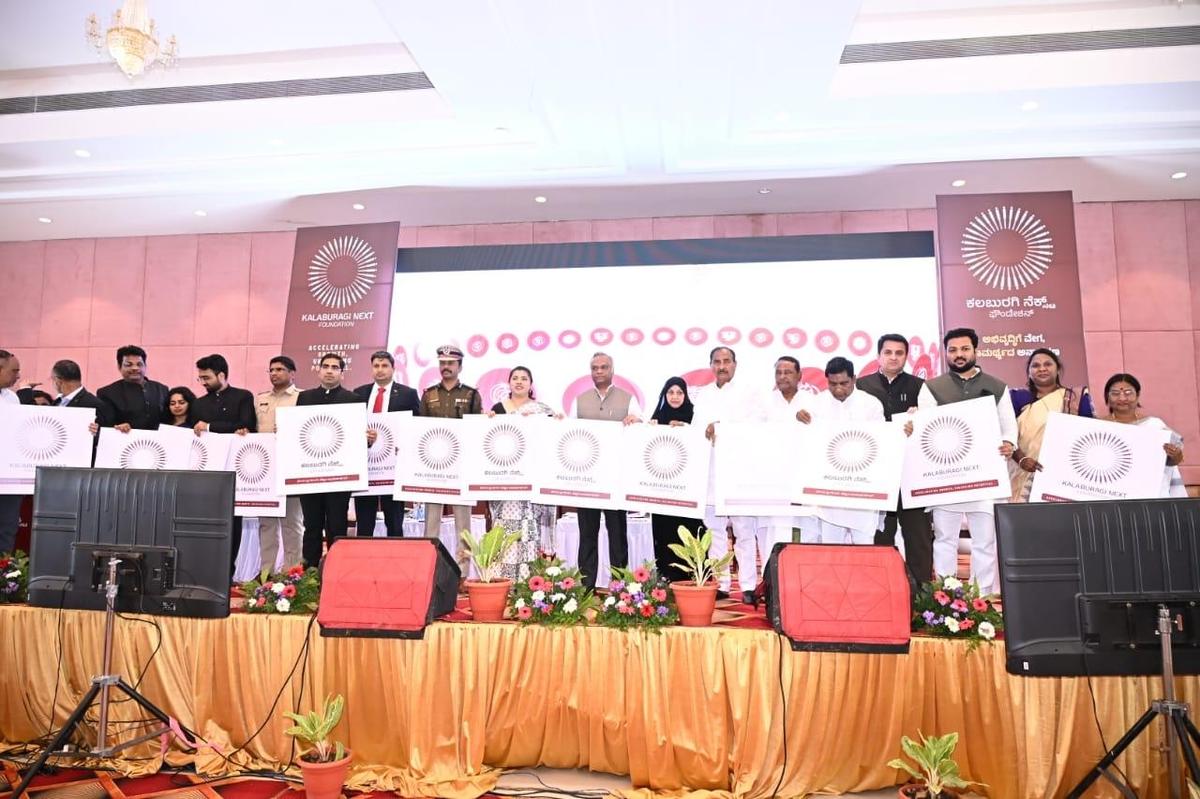
Officials concluded that the Kalaburagi Next Foundation represents a forward-looking step that combines ambition with practical planning. Its holistic approach seeks to address interconnected issues affecting the district’s growth. By aligning resources, expertise, and community aspirations, the initiative aspires to create lasting positive change. The coming years will reveal how effectively this vision translates into tangible improvements in livelihoods, services, and overall quality of life for the people of Kalaburagi.
The foundation also plans to encourage youth leadership as part of its long-term strategy. Young people from colleges and community groups may be invited to volunteer, contribute ideas, and participate in development campaigns. Organizers believe youth engagement brings energy, innovation, and a forward-looking perspective to local problem-solving. Leadership workshops and internships linked to foundation projects are being considered. By involving the younger generation directly in planning and implementation, the initiative aims to nurture civic responsibility and ensure that future leaders remain connected to grassroots development priorities within the district.
Efforts are also expected to focus on strengthening rural-urban linkages within Kalaburagi. Organizers noted that development disparities between villages and towns often limit balanced growth. Initiatives supporting better connectivity, market access for rural producers, and improved service outreach are under discussion. By integrating rural economies more effectively with urban centres, the foundation hopes to create a more cohesive regional development pattern. Strengthening these linkages can improve income opportunities for rural households while ensuring that urban growth remains inclusive and connected to surrounding communities.
Monitoring and evaluation mechanisms are likely to play a crucial role in the foundation’s functioning. Experts associated with the initiative have stressed the need for clear performance indicators and regular assessment of outcomes. Periodic reviews involving independent observers may help ensure transparency and credibility. Organizers believe that data-driven analysis will allow timely course corrections and efficient resource use. Sharing progress updates with the public is expected to build trust and demonstrate accountability, reinforcing the foundation’s commitment to responsible and measurable development practices.
The foundation may also explore partnerships with academic and research institutions to guide evidence-based interventions. Collaborations with universities could support studies on local socio-economic trends, environmental challenges, and skill gaps. Such research inputs can help design targeted programmes rather than broad, generalized efforts. Organizers emphasized that informed planning improves effectiveness and sustainability. By grounding its initiatives in reliable data and expert insights, the foundation aims to create solutions that are both practical and adaptable to evolving conditions in the district.
As momentum builds, the success of the Kalaburagi Next Foundation will likely depend on sustained public interest and institutional support. Leaders involved in the launch emphasized that long-term development requires patience, consistency, and cooperation across sectors. They encouraged residents to view the foundation as a shared platform rather than a distant body. Continuous dialogue, feedback, and community involvement are expected to shape its direction. If this collaborative spirit endures, the initiative could contribute significantly to improving opportunities and living standards across Kalaburagi district in the years ahead.
Follow: Karnataka Government
Also read: Home | Channel 6 Network – Latest News, Breaking Updates: Politics, Business, Tech & More
