
In a significant development in the MUDA land allotment case, a special court in Bengaluru accepted the ‘B’ report filed by the Lokayukta police, effectively giving a clean chit to Chief Minister Siddaramaiah and his wife Parvathi. The decision marks an important legal milestone in a case that had attracted wide political attention and public debate over the past months. With the court’s acceptance of the closure report, the investigation, as conducted by the Lokayukta police, concludes without prosecution at this stage. The development has sparked reactions across political, legal, and civil society circles, reflecting the high-profile nature of the matter.
The ‘B’ report, filed after investigation, indicates that the police did not find sufficient evidence to proceed with criminal charges. In legal practice, such a report is submitted when investigators conclude that the allegations do not substantiate a prosecutable offence. The special court examined the findings before deciding to accept the report. This judicial step signals that, based on the materials presented, the court did not see grounds to reject the closure report or order further investigation immediately. Legal experts describe this as a procedural outcome rooted in the evidence placed before the court.
The MUDA case had centered around land allotment issues linked to the Mysuru Urban Development Authority. Questions were raised about the process and circumstances under which certain sites were allotted, leading to political controversy and demands for investigation. The Lokayukta police were tasked with probing the matter, examining documents, allotment records, and related administrative procedures. Their investigation, according to the closure report, did not establish criminal wrongdoing by the Chief Minister or his wife. The acceptance of this conclusion by the court has now shifted the focus from investigation to political and public interpretation.
Supporters of Siddaramaiah have described the court’s decision as a vindication. They argue that the investigation process has demonstrated that allegations lacked a criminal basis. Party leaders emphasized that the outcome reaffirms confidence in institutional processes. They have also pointed out that public figures are often subject to scrutiny and that legal clearance helps restore focus on governance. Statements from supporters stress that the case should now be considered closed unless new evidence emerges through legal channels.
Opposition voices, while acknowledging the court’s decision, have called for continued vigilance and transparency in public land dealings. Some leaders have stated that legal closure does not prevent political debate over policy or administrative practices. They argue that land allocation systems must remain under public scrutiny to prevent misuse. However, legal analysts note that once a ‘B’ report is accepted, reopening a case requires fresh material evidence or legal challenge to the closure order. The decision therefore carries substantial legal weight.
The Lokayukta institution itself has come into focus, with observers noting its role in handling sensitive cases involving high-ranking officials. The acceptance of the report suggests that investigative standards and documentation were deemed sufficient by the court. Officials familiar with procedure explain that such reports undergo careful scrutiny before submission. The case has thus highlighted both the investigative and judicial processes that operate when allegations are made against public office holders.
LEGAL PROCESS AND COURT OBSERVATIONS
Legal experts explain that a court accepting a ‘B’ report does not necessarily imply endorsement of every aspect of the investigation, but rather agreement that there is insufficient ground to proceed to trial. The magistrate or judge considers whether the investigation appears fair and whether evidence supports prosecution. If not, the report can be accepted, effectively closing the complaint unless challenged. This stage is crucial in filtering cases before they enter lengthy trial processes. It underscores the importance of evidence-based proceedings within the justice system.
The MUDA case had followed this procedural path from complaint to investigation and finally to judicial review of the closure report. The court’s acceptance indicates that the threshold for further legal action was not met. Legal scholars observe that such decisions reinforce the principle that accusations alone do not lead to prosecution without substantiated proof. They note that public discourse often moves faster than legal processes, but courts must rely strictly on records, documents, and admissible evidence.
The option for a protest petition remains available to complainants who may contest the closure report. Such petitions can request the court to reconsider and order further investigation. However, legal analysts caution that success in such petitions depends on presenting substantial reasons to doubt the investigation’s findings. Without strong grounds, courts typically uphold closure decisions. Thus, while legal avenues exist, the acceptance of the ‘B’ report represents a strong procedural conclusion in the present context.
Judicial handling of politically sensitive cases often draws close public attention. Observers say that transparency in procedure and adherence to legal norms are essential for maintaining trust. In this instance, the court’s order is seen as part of routine legal functioning rather than an extraordinary intervention. The case demonstrates how institutions process allegations through established channels, regardless of the status of individuals involved.
POLITICAL AND PUBLIC RESPONSE
The political response has reflected the broader landscape of competitive narratives. Leaders aligned with the ruling side have emphasized that the outcome reinforces their position that the allegations were unfounded. They argue that governance should not be disrupted by accusations lacking legal basis. Some have described the decision as an opportunity to move forward and concentrate on policy priorities rather than legal controversy.
Opposition parties, while refraining from direct legal criticism, have framed the development within the larger debate on accountability. They stress the need for systemic safeguards in land administration and urban development authorities. Political analysts note that such issues often persist in discourse beyond courtrooms, shaping electoral narratives and public perception. However, the legal closure narrows the scope of formal allegations.
Civil society observers have pointed out that cases involving land allotment attract attention because they touch on public resources. They suggest that clarity in procedures and public access to information can reduce suspicion. The MUDA episode, they say, highlights the importance of institutional checks and legal recourse mechanisms that allow allegations to be examined rather than left to speculation.
For Siddaramaiah and his family, the decision brings immediate legal relief. Political observers say that such outcomes can influence public messaging, though broader political dynamics depend on multiple factors. The development may shift focus toward governance initiatives, legislative matters, and ongoing administrative issues.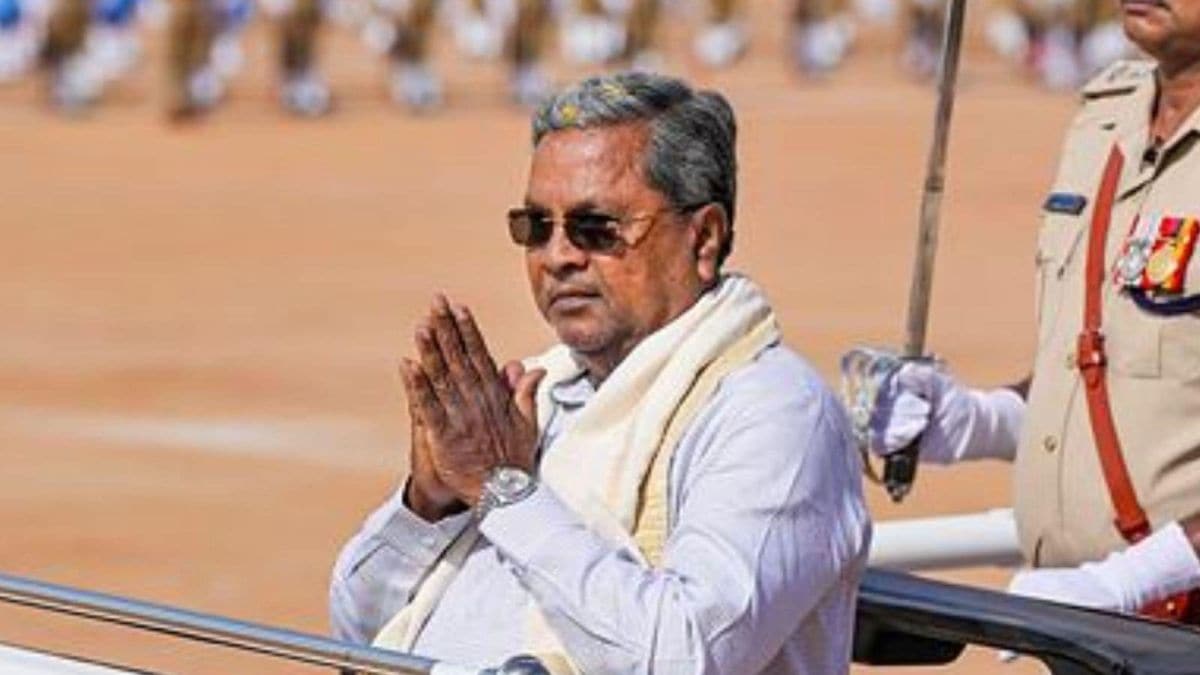
The acceptance of the ‘B’ report ultimately illustrates the interaction between investigation, law, and politics. While courts deal with evidence and procedure, public debate often continues on parallel tracks. Legal experts reiterate that the justice system’s role is limited to determining prosecutable wrongdoing, not resolving political narratives. In that framework, the court’s order stands as the decisive step in this phase of the MUDA case.
As the matter stands, the special court’s decision marks a procedural closure unless further legal action is initiated. It underscores the central role of evidence in judicial outcomes and demonstrates how high-profile allegations move through institutional channels. The broader conversation on governance, transparency, and accountability may continue, but within the legal domain, the acceptance of the Lokayukta police ‘B’ report forms a key concluding point in the current trajectory of the case.
Administrative experts note that the acceptance of the closure report also highlights the procedural safeguards built into investigative systems. Before submitting such reports, agencies are expected to verify documents, record statements, and examine relevant legal provisions. This multi-layered process is designed to ensure that decisions are not arbitrary. Observers say that the court’s acceptance indicates that procedural requirements were met to its satisfaction. Such outcomes contribute to reinforcing the principle that investigative findings must stand the test of judicial scrutiny before they attain finality.
The case has also drawn attention to the functioning of urban development authorities and the complexities of land administration in expanding cities. Rapid urbanization often leads to heightened scrutiny of land allotment processes, as demand for residential and commercial plots rises. Experts suggest that clearer digital records, transparent allotment criteria, and publicly accessible information can help reduce future disputes. While the MUDA case has reached a legal pause, analysts believe that it may prompt renewed focus on systemic reforms in urban land governance.
Public discourse around the case demonstrates how legal proceedings intersect with political narratives. High-profile investigations frequently become subjects of media debate and public opinion long before courts conclude their role. Legal scholars emphasize that judicial outcomes must remain grounded in evidence, independent of political context. They argue that the strength of institutions lies in their ability to maintain procedural neutrality even in cases involving prominent individuals. The MUDA development is being viewed as an illustration of this institutional balance.
Another aspect under discussion is the role of investigative agencies in maintaining public confidence. When allegations arise, prompt inquiry followed by transparent legal processing can help prevent prolonged speculation. Acceptance of a closure report, while sometimes debated politically, indicates that formal mechanisms have been followed. Experts note that such clarity can be preferable to indefinite investigation, which may create uncertainty for all parties involved. Institutional closure allows attention to shift toward governance and policy matters.
Looking ahead, legal observers point out that accountability frameworks extend beyond individual cases. Strengthening oversight mechanisms, improving record-keeping, and ensuring audit systems remain active are ongoing responsibilities for public bodies. The MUDA episode, they suggest, underscores the need for continuous institutional vigilance even when specific cases conclude. For now, the court’s order stands as the operative legal position, marking the end of this investigative chapter while leaving broader governance discussions to continue in administrative and political spheres.
Follow: Karnataka Government
Also read: Home | Channel 6 Network – Latest News, Breaking Updates: Politics, Business, Tech & More
