
The Karnataka government is preparing to submit a detailed report to UNESCO by February 1 following concerns raised over tourism infrastructure works near the Hampi World Heritage Site. The development comes after international authorities flagged issues related to conservation norms and the potential impact of certain projects on the cultural and historical integrity of the ancient Vijayanagara ruins. Officials stated that the report will outline the nature of the works undertaken, compliance measures, and steps planned to ensure that development activities remain aligned with heritage protection guidelines.
Conservation architects note that UNESCO communications often function as advisory interventions rather than immediate warnings of punitive action. When concerns are raised, the emphasis typically lies on corrective planning and documentation. In this context, Karnataka’s decision to compile a structured response is being viewed as part of an ongoing dialogue rather than a one-time defense. Experts say such exchanges help align local development priorities with internationally accepted heritage management frameworks. By situating infrastructure initiatives within conservation principles, authorities can demonstrate that modernization and protection need not be mutually exclusive.
Environmental planners involved in heritage zone management emphasize that tourism infrastructure, if poorly designed, can alter drainage patterns, soil stability, and vegetation cover around archaeological sites. Hampi’s rocky terrain and proximity to the Tungabhadra river make ecological considerations particularly important. Officials preparing the report are expected to include environmental impact assessments that examine how new pathways, parking areas, or facilities interact with natural features. Integrating ecological data into heritage planning is increasingly regarded as essential to long-term site preservation.
Another aspect under discussion is visitor carrying capacity. Heritage professionals often assess how many people a site can accommodate without structural stress or degradation. Hampi’s popularity during peak travel seasons sometimes results in overcrowding near iconic monuments. Authorities are believed to be exploring crowd-dispersal strategies, such as directing tourists toward lesser-known but historically significant zones. The report may outline how improved infrastructure could help manage footfall more evenly, thereby reducing concentrated pressure on vulnerable structures.
Urban development officials have indicated that buffer zones around protected monuments will be a key component of the submission. These zones act as transitional spaces that shield core heritage areas from intrusive construction. By regulating building height, materials, and land use within these zones, planners aim to maintain visual continuity with the historical landscape. Documentation provided to UNESCO is expected to detail how such zoning regulations are being enforced and monitored at the district level.
Scholars of cultural heritage governance observe that Hampi’s management involves coordination among multiple agencies, including archaeological authorities, tourism departments, local panchayats, and environmental regulators. This multi-layered structure can sometimes create procedural overlaps or gaps. The present exercise, they suggest, offers an opportunity to streamline interdepartmental communication and clarify roles. Establishing a unified heritage management plan with clearly defined responsibilities may emerge as one of the long-term outcomes of the review process.
Local community participation is another element gaining attention. Residents living near heritage zones often serve as informal custodians of the landscape. Officials have reportedly included inputs from village representatives and tourism workers while drafting the report. Community engagement can support conservation goals by encouraging responsible practices and discouraging unauthorized construction. Highlighting such participation may strengthen the government’s case that heritage protection is integrated into local development planning.
Economic analysts note that heritage tourism generates revenue not only for local businesses but also for conservation activities through entry fees and related levies. Transparent reinvestment of these funds into site maintenance can reinforce credibility. Authorities may therefore outline financial allocations dedicated to monument upkeep, signage improvement, and waste management. Demonstrating that tourism income contributes directly to preservation could help illustrate a sustainable model that aligns economic benefits with heritage stewardship.
Digital technology is expected to feature in future conservation strategies as well. Officials have previously discussed the use of drone surveys, 3D mapping, and geospatial databases to monitor changes in heritage landscapes. Incorporating such tools into routine oversight can detect unauthorized alterations early. The report might reference pilot initiatives or planned upgrades in digital monitoring systems, signaling a move toward data-driven heritage management.
As the February 1 deadline approaches, attention remains focused on how UNESCO will respond to the submission. While the current concerns have prompted scrutiny, they also provide a platform for reaffirming Hampi’s global significance and the state’s responsibility toward it. The process underscores that heritage conservation is an evolving commitment requiring constant evaluation. Through documentation, dialogue, and adaptive planning, authorities seek to ensure that Hampi’s historic legacy continues to coexist with responsible tourism development.
Hampi, a UNESCO World Heritage Site, is globally renowned for its monumental architecture, temples, markets, and landscapes dating back to the Vijayanagara Empire. It attracts thousands of visitors each year, making tourism a vital component of the local economy. However, the delicate balance between preservation and modernization has long been a subject of discussion among conservationists, planners, and tourism authorities. UNESCO’s recent observations have once again brought this balance into focus, prompting the state to clarify its approach.
Officials from the departments of archaeology, tourism, and urban development are jointly compiling data for the submission. According to sources, the report will include technical assessments, environmental considerations, and photographic documentation of ongoing and completed works. Authorities emphasized that the objective is not only to respond to UNESCO’s concerns but also to demonstrate that infrastructure improvements are being undertaken with due sensitivity to the site’s historical value. The government has reiterated its commitment to safeguarding Hampi’s heritage status.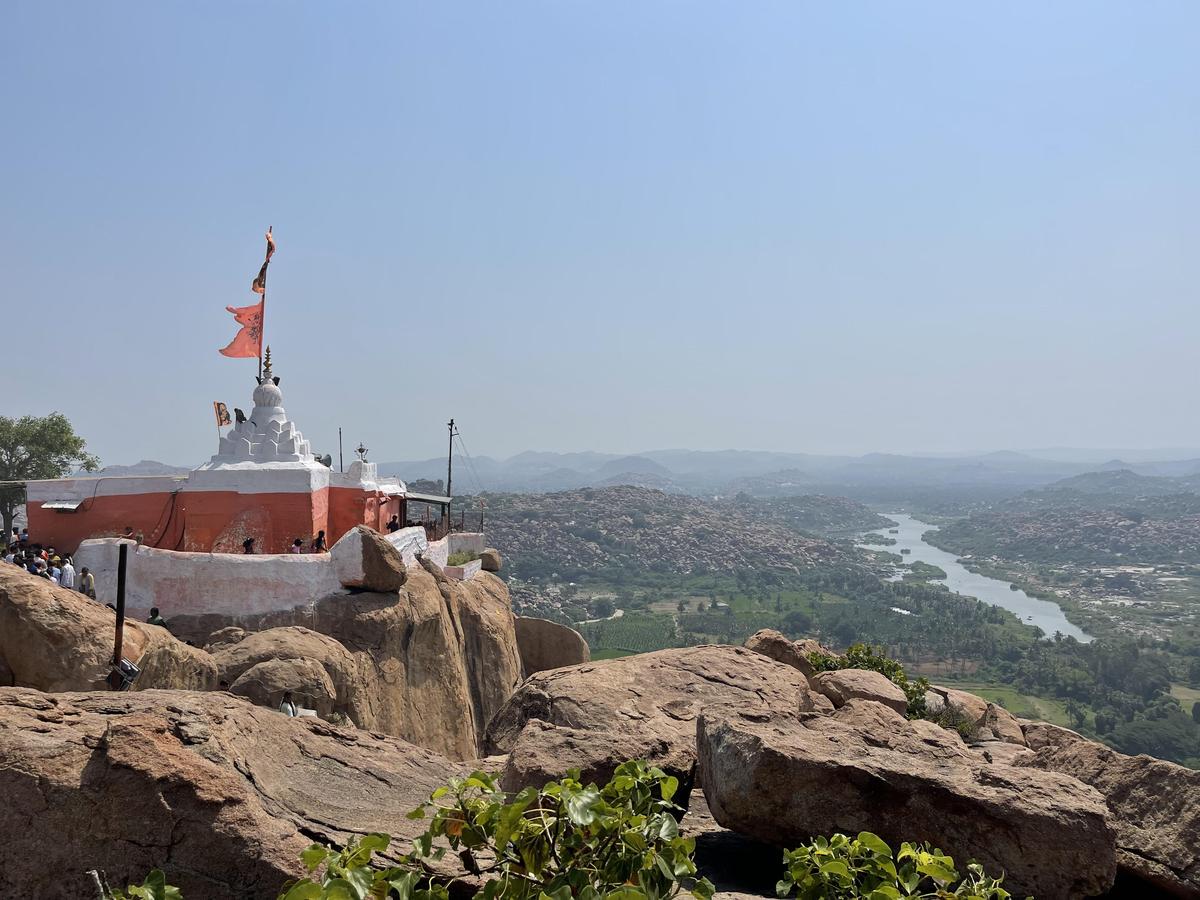
HERITAGE CONSERVATION AND DEVELOPMENT BALANCE
Experts note that heritage sites across the world face similar challenges as visitor numbers rise. Facilities such as roads, sanitation systems, and visitor amenities are often necessary to manage tourism sustainably. However, any alteration within or around protected zones must adhere strictly to conservation frameworks. UNESCO typically examines whether such projects affect visual integrity, archaeological layers, or the cultural landscape. In Hampi’s case, questions reportedly centered on whether certain constructions might alter the site’s historic character.
State authorities clarified that most of the works in question are aimed at improving basic amenities for tourists, including better access routes, safety measures, and facilities for crowd management. Officials argue that such infrastructure is essential to prevent unregulated movement that could cause greater harm to the monuments. They also stated that consultations with heritage experts and local bodies were part of the planning process. The upcoming report is expected to elaborate on these procedural safeguards in detail.
Archaeological specialists have stressed that transparent communication with international bodies is key to maintaining confidence. India, as a signatory to global heritage conventions, periodically submits updates on conservation practices. These exchanges are viewed not as punitive measures but as collaborative mechanisms to uphold universal standards. By providing a comprehensive response, the Karnataka government aims to reaffirm that preservation remains the central priority, even as tourism infrastructure evolves.
Local stakeholders, including guides and small business owners, are closely watching developments. Tourism in Hampi supports livelihoods through hospitality, handicrafts, and transport services. While many residents welcome improved infrastructure that could enhance visitor comfort, they also recognize that any adverse decision regarding heritage status could affect the region’s global reputation. This shared interest in preservation has led to calls for careful planning and strict adherence to conservation norms.
ADMINISTRATIVE RESPONSE AND FUTURE COURSE
Officials indicated that the report will also address monitoring mechanisms to prevent unauthorized construction in protected zones. Strengthening coordination between local authorities and archaeological bodies is seen as essential. Periodic inspections, digital mapping of structures, and stricter permit systems may be proposed as part of the long-term strategy. These measures aim to ensure that future works undergo rigorous review before implementation.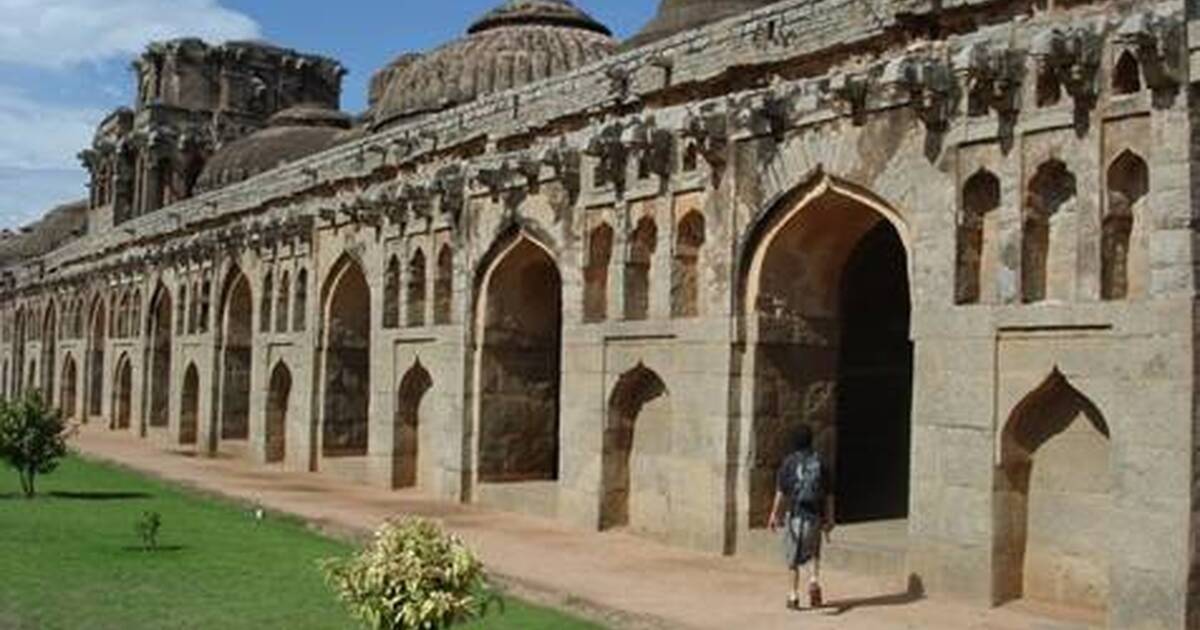
Tourism planners argue that sustainable models must integrate conservation science with visitor management. Controlled pathways, eco-friendly transport options, and regulated entry points are among the strategies discussed for heritage destinations worldwide. Such approaches can reduce pressure on fragile structures while maintaining accessibility. The government’s submission may highlight similar initiatives to demonstrate alignment with global best practices.
Cultural historians emphasize that Hampi’s value extends beyond individual monuments to its broader landscape, which includes riverbanks, boulder-strewn terrain, and historic settlements. Preserving this setting requires coordinated planning across multiple sectors. The report to UNESCO is expected to underscore efforts to protect not just built heritage but also the surrounding environment. Officials believe this holistic perspective will help address the concerns raised.
The timeline for the submission reflects the urgency attached to the matter. By setting a February 1 deadline, authorities aim to provide timely clarification and avoid prolonged uncertainty. Observers note that proactive engagement can help prevent misunderstandings and reinforce the credibility of conservation commitments. UNESCO’s feedback following the report will likely guide future actions.
As preparations continue, the episode has sparked broader discussion about how heritage cities adapt to growing tourism without compromising authenticity. Hampi’s case illustrates the complexities of managing globally significant sites in a rapidly developing context. The forthcoming report represents both a response to international scrutiny and an opportunity to reaffirm dedication to preserving a treasured chapter of history for future generations.
Follow: Karnataka Government
Also read: Home | Channel 6 Network – Latest News, Breaking Updates: Politics, Business, Tech & More
