
A private sleeper bus caught fire near Hosanagara in Karnataka late on Tuesday night, causing panic among passengers and prompting a swift emergency response from local authorities. According to preliminary information from police and fire officials, all passengers were safely evacuated, and no fatalities were reported. However, several travelers experienced minor injuries and shock as flames rapidly engulfed portions of the vehicle. The incident has once again highlighted concerns regarding vehicle safety standards, emergency preparedness, and enforcement of transport regulations on long-distance private buses operating across the state.
Transport safety engineers note that post-incident vehicle forensics will be central to understanding how the fire spread so rapidly through the sleeper coach. Materials used in interior fittings, including foam mattresses, curtains, and paneling, can influence flame intensity and smoke generation. Investigators are likely to examine whether fire-retardant standards were met during manufacturing and retrofitting. Compliance with national automotive safety norms is expected to form part of the technical review. Findings from such analyses often inform future advisories to manufacturers and operators about material quality and onboard safety systems.
Emergency management experts emphasize the role of evacuation time in determining casualty outcomes during bus fires. In enclosed sleeper layouts, narrow aisles and vertical berths can slow movement if panic sets in. Officials may study passenger flow patterns and exit accessibility during the incident to identify potential design improvements. Some specialists advocate for illuminated floor-level guidance strips and automatic alarm triggers linked to smoke sensors. Incorporating such systems could enhance response speed in similar vehicles, particularly during nighttime journeys.
The incident has also prompted discussion about driver training and emergency drills. Commercial vehicle operators are required to undergo periodic instruction, but implementation levels vary. Fire officials suggest that refresher modules on identifying early warning signs, using onboard extinguishers, and coordinating passenger evacuation could be strengthened. Quick decision-making by the driver to halt the vehicle reportedly played a critical role in limiting injuries. Structured training can help ensure consistent preparedness across fleets.
Road infrastructure along inter-district routes is another factor under review. Availability of emergency lay-bys, roadside lighting, and clear signage can influence how effectively incidents are managed. Local authorities may assess whether additional safety infrastructure is needed on stretches with heavy night traffic. Improved communication networks in remote areas can also reduce response times by enabling faster coordination between emergency services and district control rooms.
Psychological support for passengers affected by traumatic travel incidents is increasingly recognized as part of post-emergency care. Though physical injuries in this case were minor, sudden exposure to fire and smoke can leave lasting emotional impact. Health professionals sometimes recommend follow-up counseling or helpline access for those experiencing anxiety after such events. Integrating mental health awareness into disaster response protocols reflects evolving approaches to holistic emergency management.
Transport regulators may also examine ticketing records and occupancy levels to verify compliance with permitted passenger limits. Overcrowding can complicate evacuation and increase risk during emergencies. Digital ticketing platforms make it easier to cross-check data, and authorities may use such records to reconstruct the sequence of events. Ensuring that sleeper buses adhere strictly to capacity norms is considered an important preventive measure.
As the probe progresses, officials are expected to consolidate technical findings, witness accounts, and regulatory assessments into a formal report. Such documentation often leads to updated advisories or enforcement drives aimed at strengthening safety culture across the sector. While the immediate crisis was contained without loss of life, the broader objective remains reducing the likelihood of similar incidents. Continuous evaluation of vehicle design, operational practices, and regulatory oversight will shape the next steps in enhancing passenger safety on long-distance bus routes.
The bus, reportedly traveling on a route connecting coastal and interior Karnataka, had been carrying dozens of passengers at the time of the incident. Witnesses said smoke was first noticed emanating from the rear section of the vehicle while it was moving along a stretch of road near a forested area outside Hosanagara town. The driver is said to have immediately pulled over after being alerted by passengers who smelled burning. Within minutes, visible flames began spreading, creating a tense situation as travelers rushed to exit.
Passengers described scenes of confusion as some individuals were asleep in the sleeper berths when the alarm was raised. Fellow travelers reportedly helped wake those resting in upper compartments. Quick coordination among passengers and the bus crew is believed to have played a crucial role in preventing serious casualties. Luggage and personal belongings were largely left behind as people prioritized safety. Several passengers later reported losing valuables in the blaze, which consumed much of the vehicle’s interior.
Local residents who noticed the fire alerted emergency services. Fire and emergency personnel from nearby stations reached the spot and worked to contain the blaze. Officials said the bus was extensively damaged, with the sleeper section suffering the most destruction. Traffic on the route was temporarily halted as firefighting operations were underway. Police personnel also arrived to regulate movement and ensure passenger safety. Authorities stated that an investigation has been initiated to determine the exact cause of the fire.
EMERGENCY RESPONSE AND INITIAL FINDINGS
Fire department officials indicated that the blaze appeared to have originated in the engine or electrical compartment, though a technical examination is underway. Mechanical faults, short circuits, or overheating are among the possibilities being explored. Experts note that sleeper buses, due to enclosed interiors and electrical fittings for lighting and charging points, can be particularly vulnerable if maintenance is inadequate. Officials emphasized that conclusions will be drawn only after a thorough inspection of the remains of the vehicle.
Medical teams examined passengers at the site and later at a nearby healthcare facility. Most individuals were found to be unharmed apart from mild breathing discomfort caused by smoke inhalation. A few passengers received first aid for minor bruises sustained while disembarking in haste. Authorities confirmed that timely evacuation prevented more severe consequences. The district administration arranged alternative transport to help stranded passengers continue their journey.

Police have begun collecting statements from the driver, conductor, and passengers. Transport department officials are also expected to inspect the bus operator’s records, including fitness certificates, maintenance logs, and compliance with safety norms. Private bus operators are required to adhere to guidelines regarding fire safety equipment, emergency exits, and periodic inspections. Any lapses identified during the probe could lead to penalties or suspension of permits.
Residents of the area noted that the stretch where the incident occurred is relatively isolated at night, raising concerns about response time in emergencies. However, authorities stated that coordinated action between local police, fire services, and residents helped manage the situation efficiently. Officials commended the presence of mind shown by passengers who alerted others quickly and exited without pushing or stampeding.
SAFETY CONCERNS AND REGULATORY FOCUS
The incident has renewed focus on safety protocols for long-distance sleeper buses, which are widely used for overnight travel. Transport safety experts emphasize that fire detection systems, accessible emergency exits, and crew training are critical in such vehicles. They point out that passengers in sleeper compartments may not immediately sense danger, making early warning mechanisms essential. Regular audits of electrical wiring and fuel systems are also recommended to minimize fire risks.
Authorities indicated that a broader review of safety compliance among private bus operators may be undertaken. Surprise inspections and checks on emergency equipment could be intensified, especially for vehicles operating night services. Officials stressed that while road transport remains one of the most convenient modes of travel, adherence to safety norms must remain non-negotiable. The department is also expected to examine whether additional guidelines are needed for sleeper coach designs.
Passengers who survived the ordeal expressed relief at escaping unharmed but also shared concerns about the lack of clear instructions during the emergency. Some said they relied mainly on fellow travelers rather than formal announcements from the crew. Safety specialists suggest that pre-journey briefings, similar to those given in aviation, could improve preparedness. Demonstrations of emergency exits and fire extinguisher locations might help passengers respond more calmly in crises.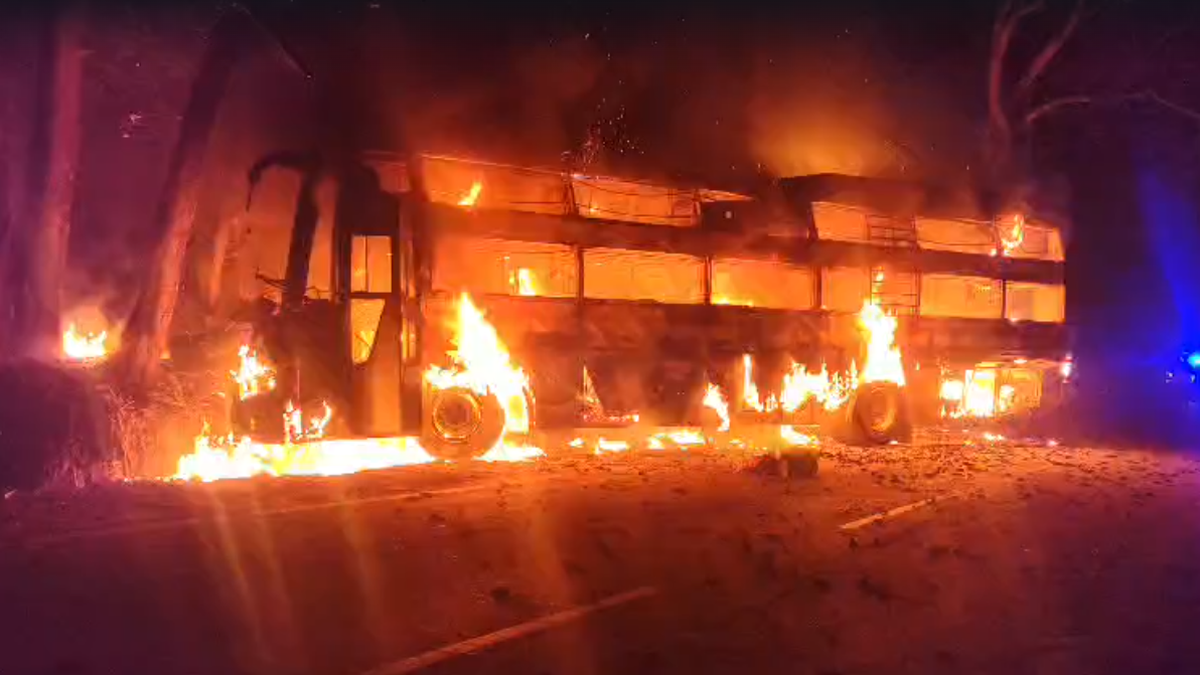
Insurance and compensation aspects are also being reviewed. Bus operators typically carry passenger insurance, and affected travelers may be eligible for claims covering injuries or loss of belongings. Officials said procedures for filing claims would be communicated through the transport department and the operator. Ensuring timely assistance is seen as part of the broader response to such incidents.
Environmental factors, such as the proximity of forested land, were also considered during firefighting efforts. Authorities confirmed that the flames did not spread beyond the vehicle, preventing damage to surrounding vegetation. Quick containment was crucial in avoiding a secondary hazard. Fire officials reiterated the importance of immediate reporting of vehicle fires to prevent escalation, particularly in ecologically sensitive zones.
As investigations continue, the incident serves as a reminder of the unpredictable risks associated with road travel and the importance of preventive maintenance. While the safe evacuation of passengers prevented a tragedy, officials acknowledge that continuous vigilance is necessary. The findings of the inquiry are expected to inform future safety measures and regulatory enforcement. For passengers and operators alike, the episode underscores the critical role of preparedness, infrastructure, and adherence to established safety standards in ensuring secure journeys.
Follow: Karnataka Government
Also read: Home | Channel 6 Network – Latest News, Breaking Updates: Politics, Business, Tech & More
