
Opposition members in Karnataka have raised serious concerns over the quality of midday meals served in government schools after reports emerged that a supplier had quoted prices significantly below the standard market rate. Lawmakers argue that offering meals at unusually low costs could compromise nutritional standards, hygiene, and overall food safety. The issue has sparked debate in the state assembly, with representatives calling for stricter monitoring of suppliers, quality audits, and adherence to government-prescribed guidelines to ensure that students receive meals that meet both quantity and nutritional requirements.
Nutritionists and public health experts emphasize that midday meals are a cornerstone of child development programs, particularly in rural and economically disadvantaged areas. Studies show that inadequate nutrition can lead to stunted growth, weakened immunity, and diminished cognitive performance. The low-price quotes by suppliers, as highlighted by the opposition, raise red flags regarding whether meals meet the required caloric intake, protein content, and essential vitamins and minerals. Experts stress that even small compromises in quality can have long-term consequences for thousands of students relying on school meals as their main daily source of nutrition.
Opposition members also criticized the tendering process for allowing suppliers to quote prices significantly below market norms. They argue that such discrepancies indicate potential loopholes in evaluation criteria, which may favor cost over quality. Lawmakers called for revisiting the bidding framework, suggesting that future tenders incorporate weighted scoring based on nutritional standards, hygiene records, and prior performance, rather than relying primarily on lowest-price selection. The goal, they said, should be to prioritize child health without neglecting fiscal responsibility.
Teachers and school administrators reported that students have occasionally complained about meals being tasteless, undercooked, or insufficient in quantity. Some accounts indicate that repeated incidents may discourage children from consuming the meals fully, undermining the objectives of the program. Opposition leaders argued that these reports, combined with below-market pricing, warrant immediate investigation. They demanded that district officials ensure that meal quality is consistently monitored and that corrective measures are applied promptly when deficiencies are found.
The state’s education department has acknowledged the concerns and stated that inspection teams will conduct surprise checks at multiple schools. These inspections will assess food hygiene, portion sizes, ingredient quality, and adherence to prescribed nutritional guidelines. Officials also indicated that suppliers would be required to provide documentation on ingredient sourcing and preparation methods. Any deviation from standards could trigger penalties, including suspension or cancellation of contracts.
LOGISTICAL CHALLENGES AND QUALITY ASSURANCE
Providing midday meals to thousands of schools across Karnataka presents logistical challenges. Ensuring that food reaches remote areas in fresh and safe condition requires coordinated supply chains, temperature-controlled storage, and timely delivery. Officials emphasized that any cost-saving measures by suppliers should not compromise these critical aspects. Experts suggest that integrating technology, such as GPS-enabled delivery tracking and real-time reporting systems, could help monitor compliance and prevent lapses in quality.
Public representatives also raised concerns about recurring reliance on a small pool of suppliers who may offer below-market bids to secure contracts. Concentration of supply can reduce competition and make monitoring more difficult. Opposition members urged the government to diversify its supplier base and establish clear benchmarks for evaluating bids, with a focus on nutritional adequacy, food safety, and accountability. They stressed that quality should never be sacrificed for lower costs, especially when children’s health is at stake.
Some nutrition advocates have recommended independent third-party audits to verify meal quality. Periodic lab testing of food samples could detect contamination, nutrient deficiencies, or adulteration. Combined with regular field inspections, such audits could create a robust system for ensuring compliance. Opposition lawmakers indicated that they would push for mandatory reporting of audit results to the state assembly to maintain transparency and accountability in the program.
Community involvement is also seen as a key measure to safeguard meal quality. Parent-teacher associations and local committees can play an oversight role, helping to monitor standards and provide feedback on taste, quantity, and hygiene. Officials believe that engaging local stakeholders fosters a culture of accountability and helps address grievances before they escalate. Supporters of this approach argue that it complements formal inspections and strengthens overall program integrity.
The pricing issue has prompted broader discussions about budget allocations for midday meals. While fiscal prudence is necessary, experts insist that underfunding can directly affect ingredient quality and portion size. Opposition members argued that adequate financial provision must accompany any cost-effective tendering process to ensure meals meet minimum nutritional requirements. They also stressed that quality assurance mechanisms should be independent of budgetary pressures.
Finally, lawmakers warned that failure to maintain meal quality could erode public trust in government welfare programs. They noted that midday meals are not only a nutritional intervention but also an incentive for school attendance and retention, particularly for girls and marginalized communities. Compromised meals could have cascading social consequences, affecting enrollment, academic performance, and overall child well-being. Opposition members insisted that immediate steps be taken to correct any lapses and to reinforce monitoring mechanisms across the state.
The ongoing debate underscores the delicate balance between cost-efficiency and nutritional responsibility in large-scale social welfare initiatives. With the state committing to inspections, audits, and supplier scrutiny, stakeholders hope that the midday meal program can continue to serve its dual role of promoting health and education while maintaining public confidence in its effectiveness.
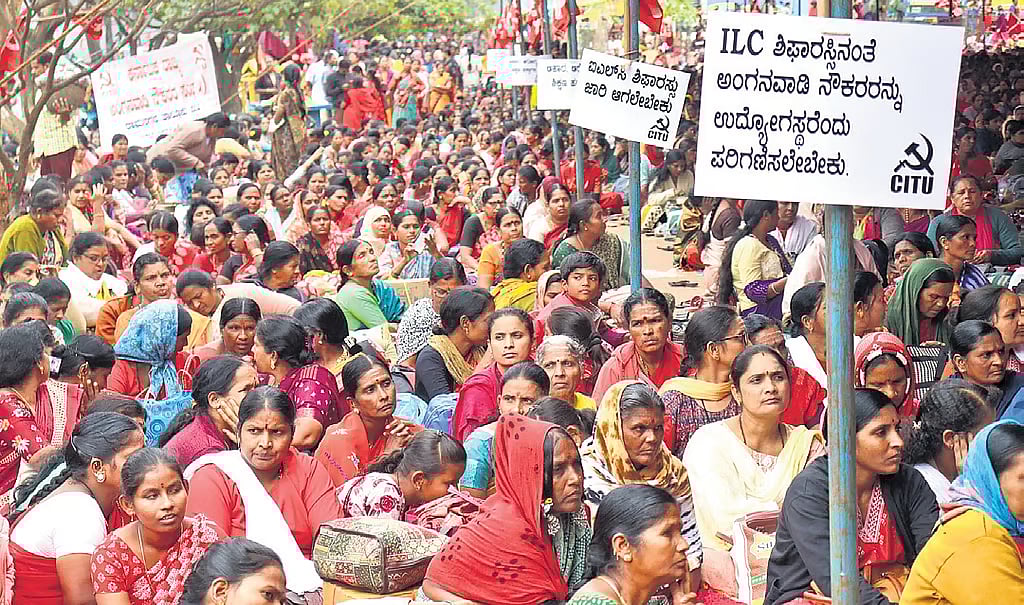
According to opposition leaders, some suppliers may reduce costs by using substandard ingredients, cutting corners in food preparation, or skimping on portion sizes. Members highlighted instances where students have complained about poor taste or inadequate servings, linking such cases to below-market pricing. They stressed that midday meals play a critical role in supporting health, growth, and attendance for children from economically disadvantaged families, making quality assurance a non-negotiable priority.
Officials from the education and food supply departments acknowledged the concerns and said preliminary checks would be conducted to verify compliance with prescribed standards. Authorities emphasized that all suppliers are expected to follow strict guidelines regarding caloric content, protein levels, and hygiene practices. Any deviation from these norms could lead to contract termination, fines, or blacklisting. Government sources indicated that a review of tendering processes and supplier credentials is already underway.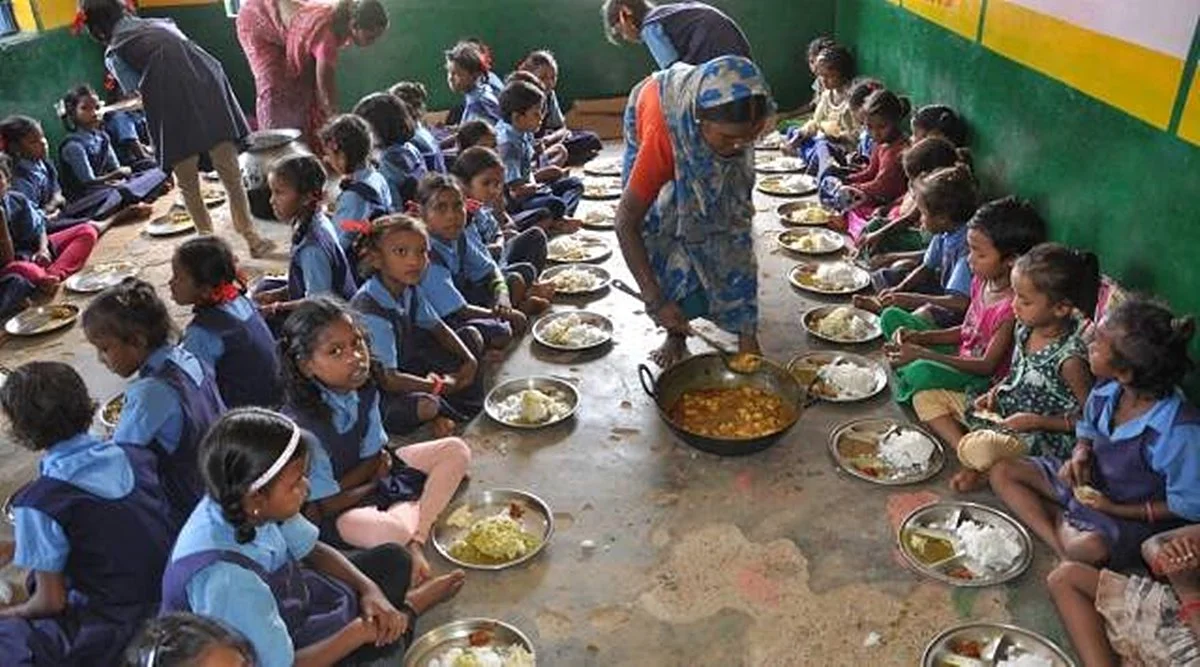
MONITORING MECHANISMS AND ACCOUNTABILITY
Experts on child nutrition note that procurement of midday meals involves balancing cost-effectiveness with quality standards. While competitive pricing is necessary to manage budgets, excessively low bids can indicate compromises in nutritional content or food safety. Opposition members have demanded transparent monitoring mechanisms, including surprise inspections of kitchens, lab-based testing of ingredients, and regular feedback collection from students. These measures are intended to hold suppliers accountable and ensure that no child is served substandard meals.
Some opposition leaders also argued for digital tracking systems to oversee meal preparation and delivery. Using such systems, officials can maintain real-time records of quantity, ingredients, and distribution, reducing the risk of negligence or malpractice. Advocates for enhanced monitoring say this would protect both students’ welfare and the integrity of the midday meal program, which has been a flagship initiative to combat malnutrition and boost school enrollment.
Officials have indicated that immediate steps may include auditing supplier contracts, reviewing price quotes, and conducting field inspections at selected schools. Authorities stressed that low-priced bids are not automatically rejected but are scrutinized closely to ensure compliance with quality standards. Legal provisions also allow cancellation of contracts if suppliers fail to meet nutritional or hygiene requirements.
The debate has drawn attention to the broader challenge of providing affordable yet nutritious meals across thousands of schools in the state. Balancing fiscal constraints with child health priorities remains a delicate task for policymakers. Opposition members urged the government to prioritize quality over cost savings and to take strict action against suppliers who compromise on standards.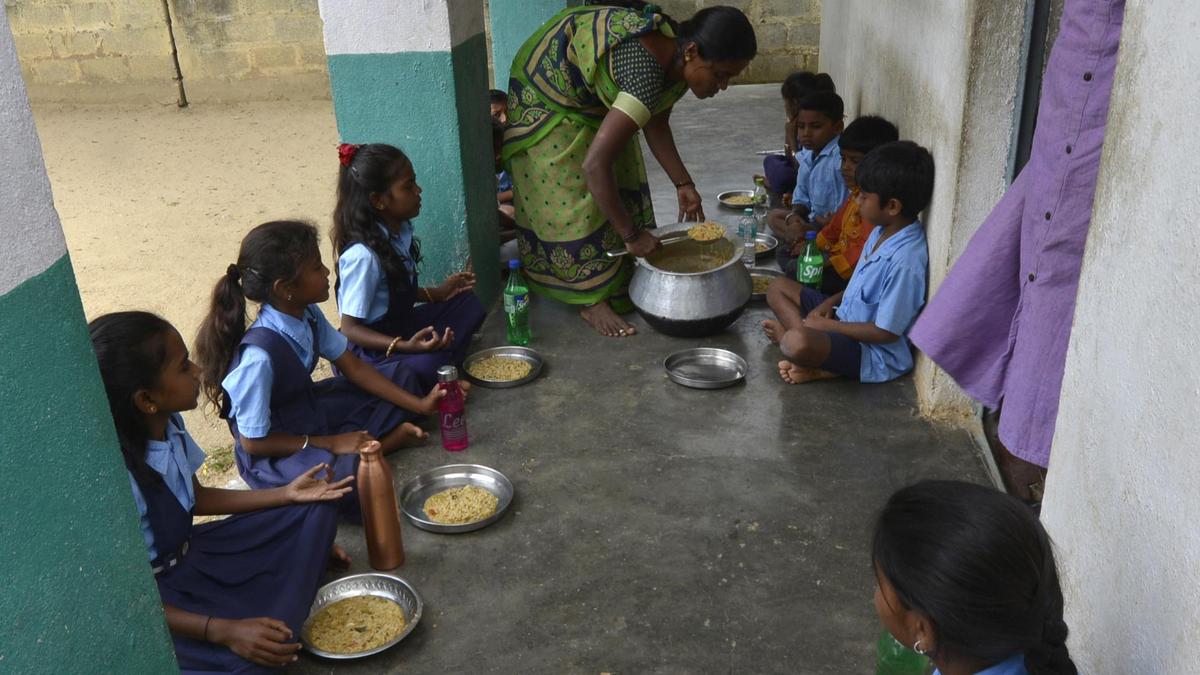
IMPACT ON STUDENTS AND POLICY DIRECTIONS
Child rights advocates have highlighted that midday meals are sometimes the primary source of nutrition for students from marginalized communities. Compromised quality could affect their health, concentration, and academic performance. Experts suggest that ensuring proper nutritional content is not just a matter of policy compliance but of social responsibility. The ongoing discussion in the assembly underscores the need for vigilance and proactive oversight.
Educational officials have committed to strengthening coordination between school authorities, suppliers, and monitoring agencies. Regular audits, periodic reporting, and feedback loops from teachers and parents are expected to become part of a comprehensive strategy to safeguard meal quality. Authorities also stated that corrective action would be swift in cases where standards are found lacking.
The opposition’s intervention has brought renewed focus to procurement practices, supplier accountability, and the nutritional well-being of schoolchildren. Lawmakers insist that strict enforcement of standards, coupled with transparent monitoring, is essential to maintain the credibility of the midday meal program. With state authorities promising investigations and remedial measures, the debate highlights the ongoing need to balance cost, efficiency, and quality in one of Karnataka’s most critical social welfare initiatives.
Opposition members in Karnataka have raised serious concerns over the quality of midday meals served in government schools after reports emerged that a supplier had quoted prices significantly below the standard market rate. Lawmakers argue that offering meals at unusually low costs could compromise nutritional standards, hygiene, and overall food safety. The issue has sparked debate in the state assembly, with representatives calling for stricter monitoring of suppliers, quality audits, and adherence to government-prescribed guidelines to ensure that students receive meals that meet both quantity and nutritional requirements.
Follow: Karnataka Government
Also read: Home | Channel 6 Network – Latest News, Breaking Updates: Politics, Business, Tech & More
