
The Comptroller and Auditor General has flagged multiple irregularities in the implementation of the Yettinahole drinking water project, raising questions about tendering processes, financial management, and overall project governance. The ambitious initiative, aimed at diverting water from west-flowing streams to drought-prone districts of Karnataka, has long been considered a critical infrastructure effort. However, the audit findings suggest that procedural deviations, cost escalations, and planning gaps may have undermined efficiency. The observations have triggered political debate and calls for corrective action, even as officials maintain that the project remains vital for ensuring water security in parched regions.
Policy analysts note that audit observations often lead to the introduction of corrective administrative reforms rather than immediate punitive measures. In the context of the Yettinahole project, departments may initiate internal reviews to standardise tender documentation, improve record-keeping practices, and tighten approval hierarchies. Strengthening institutional capacity in financial scrutiny and contract management is seen as a long-term solution to recurring procedural lapses in large infrastructure ventures. Experts suggest that periodic training of engineers and administrative officers in public procurement norms could reduce the likelihood of similar irregularities emerging in future undertakings.
Environmental planners also emphasize that projects in ecologically sensitive regions require especially rigorous compliance with regulatory frameworks. The Western Ghats, from where water diversion is proposed, is a biodiversity hotspot with multiple layers of environmental oversight. Audit remarks pointing to procedural gaps may prompt authorities to re-examine how environmental safeguards are integrated into project planning and budgeting. Transparent accounting for mitigation measures, afforestation commitments, and ecological monitoring can strengthen credibility and reduce resistance from conservation groups and local communities.
Public finance scholars argue that the audit findings highlight the importance of outcome-based evaluation in addition to financial scrutiny. Large public works are increasingly expected to demonstrate measurable social and economic benefits alongside procedural compliance. For the Yettinahole project, tracking indicators such as improved drinking water access, reduced tanker dependence, and enhanced public health outcomes could provide a clearer picture of effectiveness. Integrating such performance metrics into project reviews can help policymakers balance accountability with developmental impact.
Stakeholder communication is another aspect likely to gain attention in the aftermath of the audit. Residents of beneficiary districts, contractors, and environmental stakeholders often seek clarity on project timelines and objectives. Authorities may consider periodic public briefings or status reports to address concerns and prevent misinformation. Open communication channels can foster trust and ensure that audit-related discussions remain focused on systemic improvements rather than political confrontation alone.
Infrastructure governance experts point out that multi-crore projects frequently reveal systemic challenges common across sectors, such as fragmented oversight and delays in administrative approvals. Lessons drawn from the Yettinahole audit may inform broader reforms in state-level project management practices. Establishing unified digital platforms for procurement, financial tracking, and milestone monitoring could create a more transparent ecosystem. Such tools enable real-time data access for auditors and decision-makers, strengthening preventive oversight rather than relying solely on post-facto reviews.
As follow-up action progresses, the emphasis is expected to remain on ensuring that procedural corrections translate into smoother execution on the ground. While the audit has drawn attention to deficiencies, it also underscores the scale and importance of the undertaking. Balancing rectification with continuity of work will be crucial to avoid further delays in delivering drinking water to intended regions. Observers note that sustained political and administrative commitment, combined with stronger governance systems, will determine whether the project ultimately meets its developmental objectives.
The Yettinahole project was conceptualised to supply drinking water to several districts facing recurring shortages, particularly in central and eastern Karnataka. Envisaged as a lifeline for both urban and rural populations, the scheme involves construction of weirs, pumping stations, pipelines, and balancing reservoirs. Over the years, the project has seen multiple revisions in cost estimates and timelines. While authorities have defended these changes as necessary due to technical challenges and environmental considerations, the audit report indicates that not all financial decisions were supported by adequate documentation or adherence to established procedures.
One of the key concerns highlighted relates to the tendering process. According to the audit observations, certain contracts were awarded without ensuring adequate competition or transparency. In some cases, deviations from standard procurement norms were noted, potentially affecting cost-effectiveness. The report points to instances where eligibility criteria were altered or where limited bids were accepted without clear justification. Such practices, auditors indicated, can reduce competitiveness and lead to higher expenditure, ultimately placing a burden on public funds allocated for essential infrastructure development.
Financial management practices have also come under scrutiny. The audit notes discrepancies in fund allocation, utilisation, and reporting. Delays in submitting utilisation certificates, variations between sanctioned and actual expenditures, and inadequate reconciliation of accounts were cited as areas of concern. Auditors observed that these issues could complicate monitoring and reduce accountability in large-scale public works. Effective financial oversight is particularly critical in multi-crore projects like Yettinahole, where multiple agencies and contractors are involved across different phases of execution.
Project planning and execution were another focus of the audit findings. The report suggests that certain components were initiated before obtaining all required clearances or completing detailed feasibility assessments. This, auditors noted, may have contributed to delays and cost escalations. In infrastructure projects involving environmental and inter-basin water transfer considerations, comprehensive planning is essential to mitigate risks. The absence of timely technical reviews and updated project reports may have further compounded operational challenges during implementation.
TENDERING AND FINANCIAL OVERSIGHT UNDER LENS
The audit specifically underscored the importance of adhering to transparent tendering norms in public infrastructure projects. Competitive bidding, clear qualification criteria, and robust evaluation processes are intended to ensure value for money and fairness. Deviations from these principles, even if made with administrative approval, can weaken public confidence. The findings suggest that improved documentation, independent scrutiny, and stricter compliance with procurement guidelines could help prevent similar issues in future projects of comparable scale.
Cost escalation is another aspect drawing attention. Over time, the project’s financial outlay has reportedly increased substantially compared to initial estimates. While inflation, design changes, and additional works can contribute to rising costs, auditors emphasized the need for systematic justification and timely approvals for revisions. Without proper controls, escalating expenditure can strain state finances and affect allocation for other developmental priorities. Transparent disclosure of cost variations and periodic review mechanisms are considered vital safeguards in such scenarios.
Monitoring mechanisms were also found to require strengthening. The audit pointed to gaps in supervisory checks, quality control, and progress tracking. Large projects spanning multiple locations demand coordinated oversight by engineering, finance, and administrative departments. Inadequate monitoring can lead to delays, rework, and inefficiencies. Experts note that digital tracking systems, third-party inspections, and regular reporting to oversight bodies can improve accountability and project outcomes.
The report further highlighted the importance of inter-departmental coordination. Projects like Yettinahole involve water resources, environment, forest, and local administration departments. Delays in securing clearances or synchronizing activities across agencies can affect timelines. Auditors observed that better coordination frameworks and clearly defined responsibilities could reduce procedural bottlenecks. Establishing a dedicated project management unit with authority to streamline approvals and monitor milestones may enhance execution efficiency.
POLITICAL REACTIONS AND FUTURE COURSE
The audit findings have drawn reactions from both ruling and opposition parties. Opposition leaders have cited the observations as evidence of administrative lapses and have demanded accountability from officials involved in project execution. They argue that public money must be spent with utmost transparency, especially in schemes intended to serve vulnerable populations. Calls for legislative discussion and further inquiry have been voiced, reflecting the political sensitivity surrounding major infrastructure expenditures.
Government representatives, however, have maintained that the project’s objectives remain crucial for regional development. Officials stated that many of the audit observations relate to procedural issues that can be addressed through corrective measures. They emphasized that the scheme’s primary aim is to provide reliable drinking water to water-scarce areas and that progress on the ground continues. Authorities indicated that departments concerned are reviewing the audit remarks and preparing responses as part of the standard follow-up process.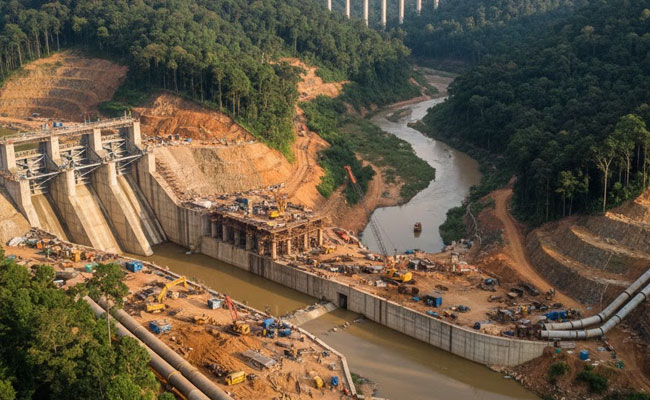
Water resource experts underline that large inter-basin transfer projects are inherently complex and often encounter unforeseen challenges. Geological conditions, environmental safeguards, and land acquisition issues can all affect planning and budgeting. Nonetheless, experts agree that strong governance frameworks are essential to manage such complexities. Transparent reporting, independent audits, and stakeholder consultations can help maintain public trust while ensuring that developmental objectives are achieved.
Civil society groups have also weighed in, urging authorities to make project information more accessible to the public. They advocate for disclosure of expenditure details, timelines, and environmental mitigation measures. Public engagement, they argue, can improve oversight and ensure that projects deliver intended benefits without compromising ecological balance. Given the environmental sensitivity of the Western Ghats region, responsible implementation is viewed as particularly important.
As the government examines the audit findings, the focus is likely to be on rectifying procedural gaps and strengthening systems. Departments may revise tendering protocols, enhance financial controls, and establish clearer monitoring mechanisms. Training programs for officials and adoption of digital tools for procurement and project tracking could form part of reform efforts. The audit, while highlighting shortcomings, also presents an opportunity to reinforce governance standards in large-scale infrastructure initiatives.
Ultimately, the Yettinahole project remains a significant component of Karnataka’s strategy to address drinking water scarcity. Ensuring its successful completion requires balancing developmental urgency with transparency and accountability. The audit observations serve as a reminder that robust procedures are as vital as engineering expertise in public works. How effectively authorities respond to these findings will shape both the project’s future trajectory and broader confidence in the management of public resources.
Follow: Karnataka Government
Also read: Home | Channel 6 Network – Latest News, Breaking Updates: Politics, Business, Tech & More
