
Karnataka’s Energy Minister K.J. George has firmly denied rumours suggesting that he is set to resign, describing the speculation as baseless and politically motivated. The clarification came amid intense discussions in political circles and social media chatter that hinted at possible changes in the State Cabinet. Addressing reporters, the Minister asserted that he continues to enjoy the confidence of the Chief Minister and remains committed to overseeing the State’s energy portfolio. His statement has temporarily quelled uncertainty, though opposition parties continue to scrutinize recent developments in the department and broader governance issues.
Administrative insiders indicate that Cabinet stability is often maintained through internal consultations and consensus-building mechanisms. Senior leaders regularly review departmental performance and political coordination to ensure smooth governance. In this context, the prompt clarification by the Energy Minister is seen as part of routine political communication aimed at preventing unnecessary speculation. Observers note that such swift responses help maintain confidence among bureaucrats and stakeholders who depend on continuity in decision-making processes, particularly in technically complex sectors like energy generation and distribution.
Industry representatives have also reacted to the clarification, emphasizing the importance of stable leadership for long-term investments. Power infrastructure projects typically involve multi-year planning cycles, regulatory approvals, and financial commitments. Investors and private partners prefer policy predictability to safeguard projects from delays. Representatives from industry bodies noted that uncertainty surrounding leadership can slow negotiations and planning, even if temporary. The Minister’s denial is therefore viewed as reassuring from a commercial and regulatory perspective.
Within the energy department, ongoing initiatives include grid modernization, smart metering expansion, and strengthening rural feeder lines. Officials stressed that review meetings and project monitoring activities continue as scheduled. Departmental sources indicated that technical teams are focused on seasonal demand management and renewable integration strategies. Such operational continuity reinforces the government’s position that speculation has not affected administrative functioning. The emphasis remains on service delivery rather than political narratives.
Political analysts suggest that resignation rumours sometimes emerge during periods of policy transition or administrative review. Leadership in high-profile departments often attracts scrutiny due to the scale of public resources involved. However, analysts caution against equating speculation with confirmed developments. In democratic systems, leadership changes are communicated through formal channels, and until such announcements occur, official responsibilities remain unchanged. The current episode illustrates how political communication plays a role in shaping public perception.
Public discourse has also touched on the broader issue of transparency in governance. Citizens increasingly expect timely and clear communication from elected representatives, especially when rumours gain momentum. Direct clarification from the Minister is seen as aligning with this expectation. Civil society groups note that proactive communication can prevent misinformation from spreading and maintain trust between the administration and the public. This approach is particularly relevant in sectors that directly affect daily life, such as electricity supply.
Looking ahead, the focus is likely to remain on performance indicators within the energy sector. Reliable supply, infrastructure upgrades, and renewable energy growth will continue to shape evaluation of the department’s effectiveness. While political speculation may arise periodically, sustained governance outcomes ultimately influence public and institutional confidence. The recent denial of resignation rumours underscores the interplay between perception and policy, but administrative continuity and service delivery remain central to the department’s ongoing agenda.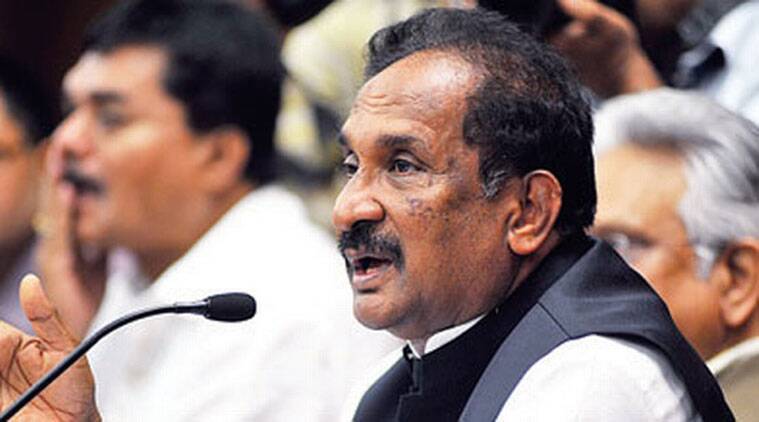
The rumours gained traction following unverified reports that internal differences and administrative pressures had prompted reconsideration of his position. However, sources close to the government indicated that no such move was under consideration. The Minister emphasized that governance should not be disrupted by unfounded claims and that his focus remains on ensuring uninterrupted power supply and strengthening infrastructure. He reiterated that public service delivery, particularly in the power sector, requires continuity and stability rather than distraction caused by political conjecture and speculation.
K.J. George, a senior leader with significant administrative experience, has handled multiple portfolios in the past. His tenure in the Energy Department has coincided with efforts to modernize power distribution, expand renewable energy initiatives, and address rural electrification challenges. Officials in the department stated that ongoing projects and policy initiatives are progressing as planned. They stressed that administrative work remains unaffected by political rumours, and departmental reviews and implementation schedules continue without interruption.
Opposition parties, meanwhile, have questioned the timing of the rumours and sought greater transparency regarding decision-making processes within the government. Some leaders suggested that speculation often reflects underlying tensions, even if formal announcements deny any change. They called for accountability and urged the government to address public concerns through clear communication. However, ruling party representatives dismissed such claims as attempts to create instability and divert attention from developmental priorities.
Political observers note that resignation rumours are not uncommon in active political environments, particularly when major policy decisions or administrative reviews are underway. Such speculation can stem from internal party discussions, bureaucratic reshuffles, or external political narratives. Analysts caution that while rumours may create temporary uncertainty, official statements and actions remain the decisive factors. In this instance, the Minister’s categorical denial appears aimed at restoring confidence and ensuring that governance continues without disruption.
POLITICAL CONTEXT AND ADMINISTRATIVE CONTINUITY
The Energy Department holds strategic importance in Karnataka, a State with growing industrial demand and expanding urban infrastructure. Ensuring reliable electricity supply is closely linked to economic growth, agricultural productivity, and public welfare. Officials highlight that long-term power purchase agreements, transmission upgrades, and renewable integration require consistent policy oversight. Sudden leadership changes can sometimes slow implementation, making continuity a key factor in maintaining momentum across multiple ongoing initiatives.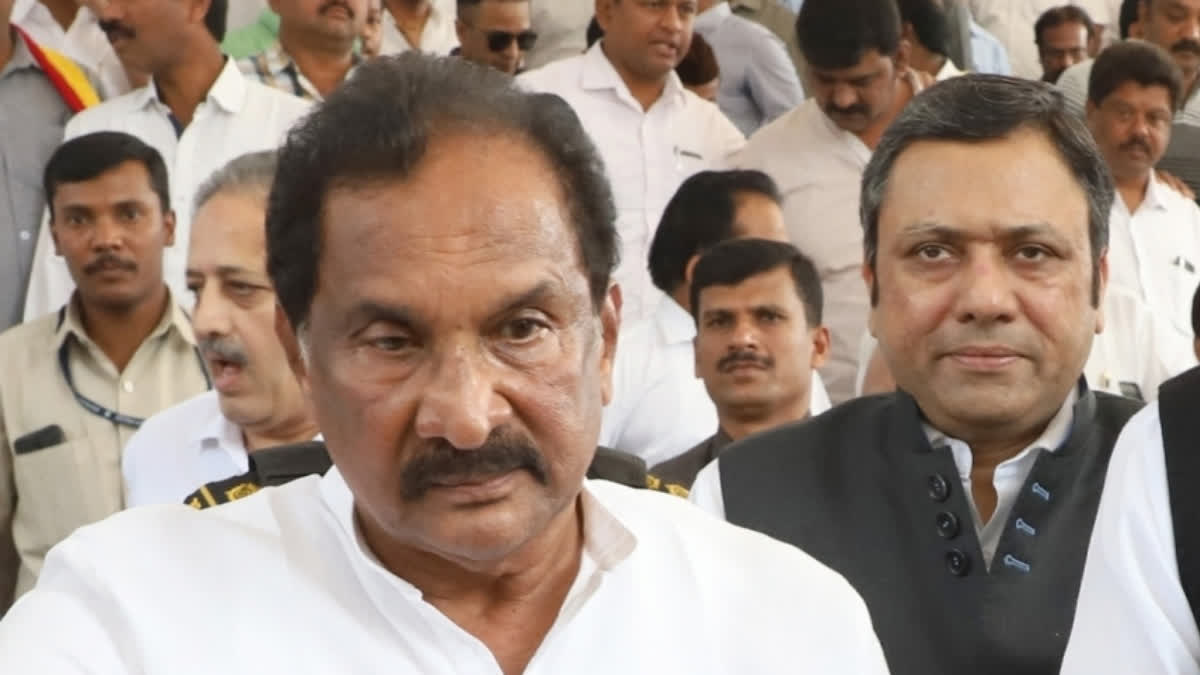
Recent months have seen heightened focus on power sector reforms, including efforts to reduce transmission losses and improve billing efficiency. The department has also been working on integrating solar and wind capacity into the grid. These initiatives involve coordination between State agencies, regulatory bodies, and private stakeholders. Authorities stated that the Minister continues to review progress and hold regular meetings with officials, reinforcing the message that administrative operations remain stable despite political speculation.
Within the ruling party, leaders have publicly expressed support for the Minister, emphasizing unity and collective responsibility. They argue that governance should be evaluated based on performance indicators rather than rumours. Party spokespersons stated that Cabinet decisions are made through established processes and that any changes, if required, would be communicated formally. This stance is intended to project cohesion and prevent perception of internal discord that could affect political stability.
From a governance perspective, clarity in communication plays a crucial role during periods of speculation. Officials note that swift clarification helps prevent misinformation from affecting public confidence. In sectors like energy, where consumer sentiment and investor confidence matter, even temporary uncertainty can have broader implications. By directly addressing the rumours, the Minister appears to have sought to limit potential disruption and reinforce the administration’s focus on service delivery.
PUBLIC PERCEPTION AND FUTURE PRIORITIES
Public response to the denial has been mixed, with some citizens expressing relief at the assurance of continuity while others remain cautious about political developments. Civil society voices emphasize that leadership stability should translate into tangible improvements in power supply reliability and affordability. Consumer groups have called for sustained attention to issues such as tariff regulation, rural feeder maintenance, and timely grievance redressal. These concerns highlight that administrative clarity must ultimately be reflected in service outcomes.
Energy sector experts suggest that the episode underscores the importance of institutional systems that ensure continuity regardless of individual positions. While political leadership provides direction, robust departmental frameworks and professional management enable sustained progress. Karnataka’s energy sector, they note, has developed a diversified generation mix and advanced distribution networks. Maintaining this trajectory will depend on long-term planning, transparent regulation, and coordinated policy execution across agencies.
Opposition leaders continue to monitor developments, stating that democratic oversight requires vigilance. They argue that questioning governance practices is part of the political process and should not be interpreted as destabilization. However, they also acknowledge that formal announcements, rather than speculation, determine official status. The exchange of statements between ruling and opposition sides reflects routine political engagement rather than immediate administrative change.
The Minister’s reaffirmation of his role also brings attention to the broader theme of leadership accountability. By publicly denying resignation rumours, he has positioned himself as responsible for ongoing policy outcomes. Observers note that such clarity places emphasis on measurable performance indicators in the months ahead. Progress in renewable capacity, reduction in outages, and improved consumer services will likely shape public evaluation of the department’s effectiveness.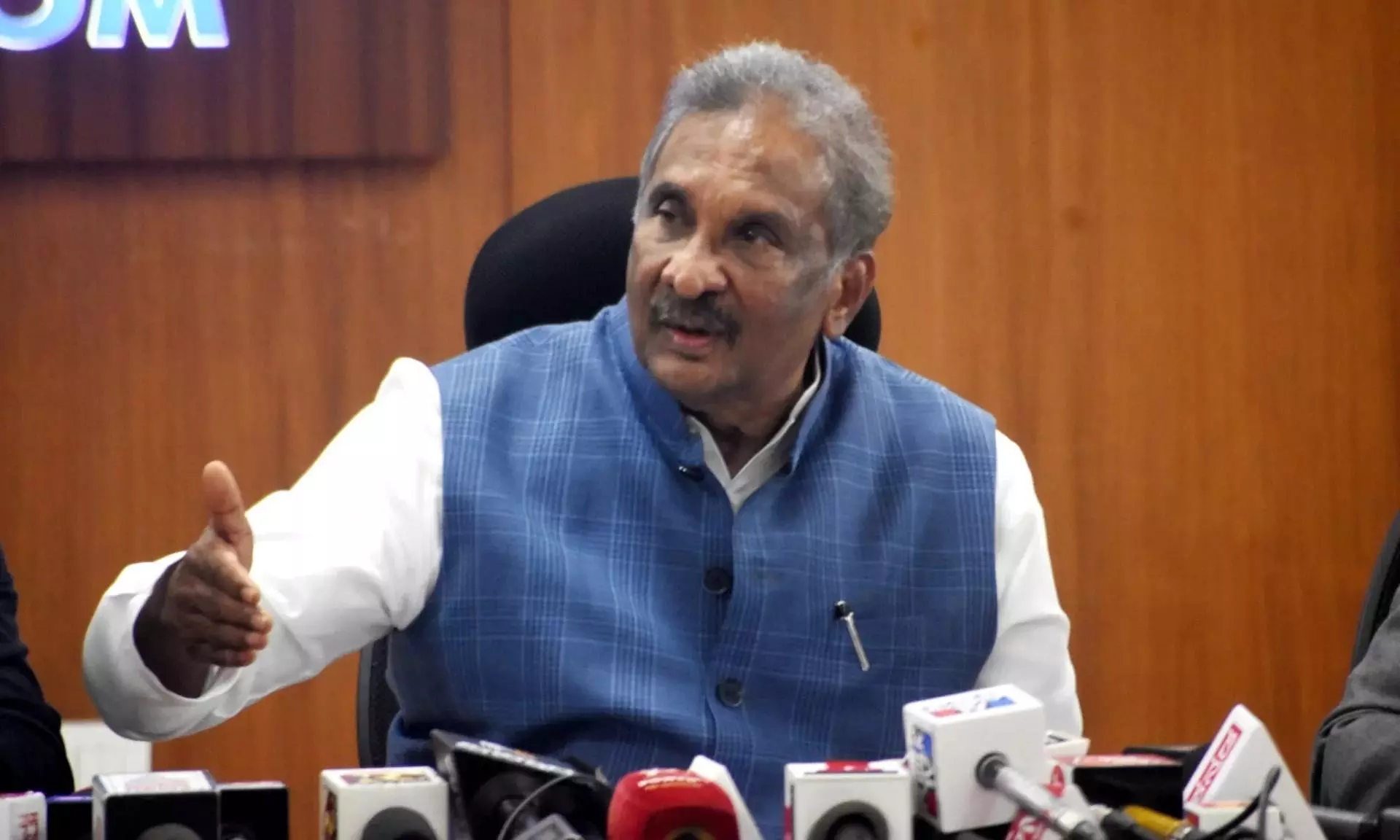
As Karnataka continues to balance rising energy demand with sustainability goals, the need for consistent policy direction remains evident. The episode of resignation rumours serves as a reminder of how quickly narratives can shift in political environments. Yet, official denials and continued administrative engagement indicate that, for now, governance structures remain unchanged. Whether speculation resurfaces or subsides, the immediate focus of the Energy Department is expected to stay on operational efficiency and long-term sectoral development.
In the broader political landscape, such incidents often highlight the interplay between perception and policy. While rumours can capture attention, their impact depends on official response and ground realities. With the Minister’s categorical denial and visible continuation of departmental activities, the current phase appears oriented toward stability. Sustained communication, transparent performance reporting, and collaborative governance may help ensure that attention returns to developmental priorities rather than conjecture surrounding leadership positions.
Follow: Karnataka Government
Also read: Home | Channel 6 Network – Latest News, Breaking Updates: Politics, Business, Tech & More
