
Contractors across Karnataka have warned that they may halt ongoing infrastructure and public works, alleging that government departments have not cleared pending bills amounting to ₹37,370 crore. Representatives of various contractors’ associations said the dues span multiple departments, including Public Works, Rural Development, Irrigation, and Urban Infrastructure. They claim the mounting backlog has created a severe liquidity crisis, leaving firms struggling to pay workers, suppliers, and equipment lenders. The issue has triggered concern within administrative circles, as any large-scale work stoppage could affect road construction, irrigation maintenance, and civic projects that are currently underway in several districts.
Industry observers suggest that the present situation could prompt a broader review of how infrastructure liabilities are recorded and tracked within the State’s financial system. Clearer real-time dashboards reflecting sanctioned amounts, bills submitted, and payments released may help reduce disputes. Such transparency could benefit both administrators and contractors, minimizing misunderstandings and improving planning on both sides. Experts say that digital governance tools, if fully integrated, can transform financial management in public works, making delays visible early and enabling corrective action before arrears accumulate to levels that threaten project continuity.
There is also discussion among policy circles about diversifying funding models for large infrastructure programs. Public-private partnerships, annuity-based payments, and infrastructure bonds are being examined as ways to reduce immediate fiscal pressure on the treasury. By spreading costs over longer periods, such mechanisms may help stabilize cash flows. However, experts caution that these models require strong regulatory oversight and contract management to avoid future disputes. Karnataka’s current challenge, they say, could become a catalyst for adopting more resilient financing structures that protect both public interest and contractor viability.
Ultimately, the resolution of the dues issue may influence long-term confidence in the State’s infrastructure ecosystem. Contractors, financiers, and suppliers closely watch how governments handle payment obligations during tight fiscal phases. A transparent, time-bound settlement plan could restore trust and set a precedent for improved financial discipline. Conversely, prolonged uncertainty might make firms cautious about bidding for future projects. The coming negotiations therefore carry significance beyond immediate arrears, shaping perceptions of Karnataka’s reliability as a partner in large-scale development initiatives.
Leaders of contractors’ bodies said repeated representations to the government have not yielded timely disbursals. They argue that many firms operate on tight margins and rely on regular payments to sustain operations. Delays extending over months, they say, disrupt financial planning and increase borrowing costs. Smaller contractors, in particular, report difficulty in securing fresh loans due to outstanding receivables. Association members warned that unless a structured payment schedule is announced soon, they may be compelled to suspend work as a form of protest, potentially affecting both rural and urban development projects across the State.
Officials in the Public Works Department acknowledged that payment delays exist but attributed them to broader fiscal pressures. They said the State has faced high expenditure commitments across welfare schemes, infrastructure expansion, and administrative costs. Revenue flows, they added, fluctuate seasonally, affecting cash flow management. Departments are reportedly working with the Finance Department to prioritize critical payments. Authorities emphasized that discussions with contractor representatives are ongoing, and efforts are being made to avoid disruption to essential public works that serve large populations and support economic activity.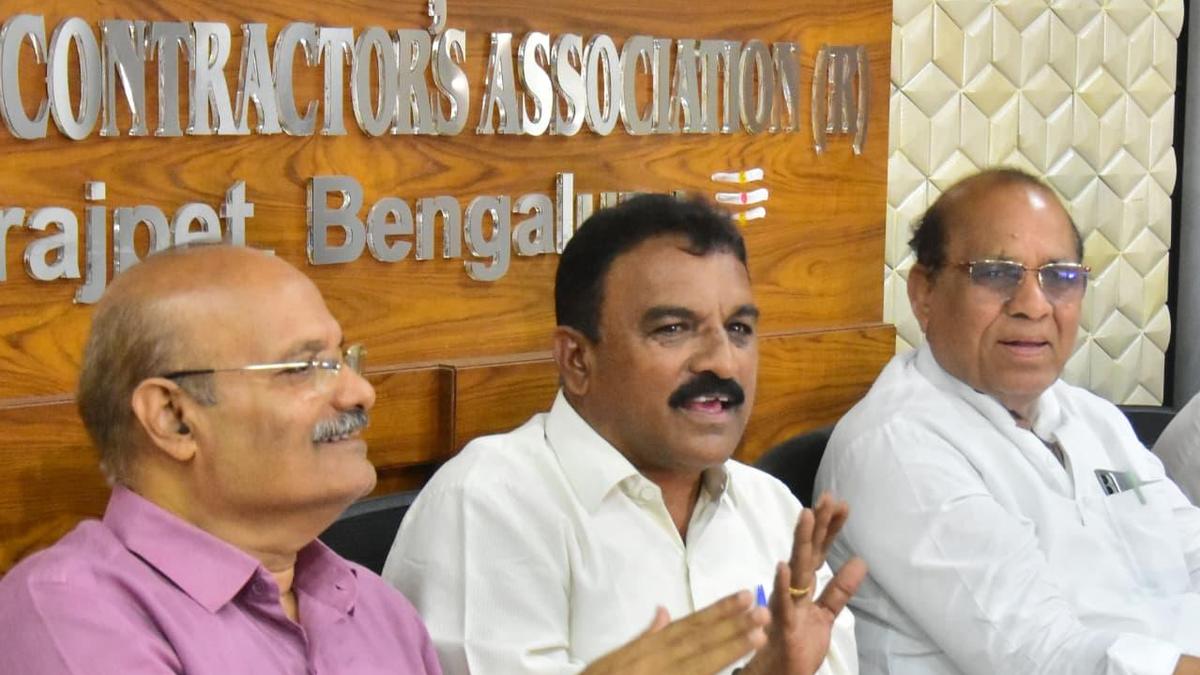
Economic analysts note that delayed payments in the construction sector often have ripple effects beyond contractors themselves. Suppliers of cement, steel, transport services, and equipment rentals depend on timely settlement. When bills remain unpaid, the stress spreads across the value chain, affecting employment and local businesses. Karnataka’s infrastructure push in recent years has generated substantial activity, and any slowdown could influence growth indicators. Experts stress the need for predictable payment cycles, as infrastructure development relies heavily on private contractors who bear upfront costs before reimbursement from government departments.
Contractors’ associations have sought a transparent audit of pending bills and a time-bound clearance plan. They say clarity on payment timelines would help firms negotiate with banks and vendors. Without such assurance, uncertainty continues to hamper planning. Some contractors allege that projects completed months ago remain unsettled, forcing them to divert funds from other commitments. While larger firms may manage short-term gaps, smaller regional contractors report that the strain threatens their survival. The associations insist that their demand is not confrontational but aimed at ensuring financial sustainability within the sector.
INFRASTRUCTURE WORKS AT RISK
If contractors suspend work, several ongoing projects could face delays. These include road widening, bridge construction, irrigation canal maintenance, and urban drainage improvements. Officials warn that halting partially completed works can lead to cost escalation, as restarting later often requires additional mobilization and repairs. Seasonal factors also matter, particularly for irrigation and monsoon-related works. A pause at critical stages may affect agricultural support systems and urban flood mitigation measures. Authorities are therefore keen to prevent a shutdown that could complicate project timelines and impact public services.
Local communities in project areas have expressed concern about possible stoppages. In many regions, road upgrades and drinking water projects are seen as long-awaited improvements. Residents fear that delays may prolong inconvenience and affect daily life. Civic groups have urged both the government and contractors to find a solution quickly, emphasizing that development works should not become casualties of financial disputes. They argue that infrastructure projects are essential public assets, and prolonged interruptions could undermine trust in administrative capacity to deliver promised improvements within expected timeframes.
From the government’s perspective, balancing fiscal commitments remains challenging. Expenditure demands from welfare schemes, salary obligations, and capital projects compete for limited resources. Officials suggest that phased payment mechanisms may be introduced, prioritizing smaller contractors and completed works. Financial planners within the administration are reportedly exploring ways to streamline bill processing and reduce procedural bottlenecks. Digitized tracking systems may help improve transparency, ensuring contractors can monitor payment status. Such measures, authorities say, could rebuild confidence while addressing systemic issues that contribute to delays.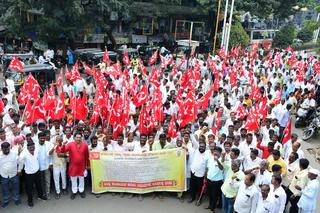
Banking sector representatives observe that payment uncertainty increases risk perception in infrastructure lending. When receivables from government departments are delayed, lenders become cautious about extending credit to contractors. This tightens liquidity further, creating a cycle that slows project execution. Financial experts recommend escrow mechanisms or dedicated infrastructure funds to ensure predictable cash flows. They argue that safeguarding contractor payments ultimately protects public investments, as timely disbursal supports continuity and efficiency in project implementation across sectors critical to economic development.
Contractors have indicated that their proposed work stoppage would be coordinated and symbolic initially, aimed at drawing attention rather than causing immediate disruption. They stress willingness to negotiate and have requested a meeting with senior ministers. Some association leaders suggest that partial payments or interim settlements could ease pressure. They maintain that the sector has supported government initiatives during rapid infrastructure expansion and now seeks reciprocal financial discipline. The coming weeks may determine whether dialogue leads to compromise or escalation of the standoff.
SEARCH FOR A FINANCIAL RESOLUTION
Policy observers believe the situation highlights the importance of financial planning in large-scale public works programs. Ambitious infrastructure drives require synchronized budgeting and payment systems. When allocations and cash flow schedules diverge, contractors bear the strain. Experts suggest multi-year budgeting frameworks and contingency reserves to manage fluctuations. Strengthening financial forecasting can help governments meet commitments without compromising development pace. Karnataka’s experience may thus serve as a case study in balancing growth ambitions with fiscal discipline in states pursuing rapid modernization of public infrastructure.
Transparency in billing and certification processes has also come under focus. Contractors argue that delays sometimes stem from prolonged verification procedures. Simplifying documentation requirements and adopting standardized digital approval systems could reduce turnaround times. Administrators acknowledge that procedural reforms are necessary alongside financial solutions. Improved coordination between field engineers, departmental heads, and treasury offices may prevent bills from remaining pending due to technical discrepancies. Streamlining these processes could enhance efficiency and reduce friction between contractors and government agencies.
Labour unions representing construction workers have voiced concern about wage security if projects stall. Many labourers depend on continuous site work, and payment delays at contractor level may affect timely wages. Social welfare organizations warn that disruptions could have human consequences beyond financial accounts. Ensuring contractor liquidity, they argue, indirectly safeguards employment for thousands of workers. This dimension adds urgency to resolving the dispute, as infrastructure projects function not only as development tools but also as significant employment generators in both urban and rural Karnataka.
Political reactions have varied, with opposition leaders urging the government to clear dues swiftly and avoid economic slowdown. They argue that infrastructure commitments should be matched with financial readiness. Government representatives, meanwhile, emphasize ongoing dialogue and deny any immediate crisis. They assert that fiscal management is under control and that phased payments will address concerns. The debate underscores how administrative financial issues often become part of broader political discourse, especially when large sums and public projects are involved.
Observers note that such disputes are not uncommon in infrastructure-heavy economies, but prolonged uncertainty can erode investor confidence. Predictable governance practices, including timely payments, are key to sustaining private sector participation in public projects. Ensuring trust between contractors and government agencies supports smoother execution of development plans. As Karnataka continues its infrastructure expansion, resolving the payment backlog efficiently may reinforce credibility and demonstrate administrative responsiveness to stakeholder concerns.
In the immediate term, the focus remains on negotiation. Both sides recognize that confrontation would harm public interest. Contractors seek assurance and structured timelines, while the government aims to manage fiscal constraints without halting development. The outcome will likely shape future engagement models between the State and its infrastructure partners. Ultimately, the episode underscores that development is not only about project announcements but also about maintaining the financial ecosystems that keep construction, employment, and public services moving steadily forward.
Follow: Karnataka Government
Also read: Home | Channel 6 Network – Latest News, Breaking Updates: Politics, Business, Tech & More
