
Trade unions across Karnataka have raised objections to certain provisions in a draft labour code recently published by the State government, focusing particularly on clauses related to overtime regulations and the definition of what constitutes a “factory.” Worker representatives argue that the proposed language could dilute existing protections and create ambiguity in coverage. The draft, released for public feedback, is part of the broader exercise of aligning State-level rules with national labour reforms. While officials describe it as a procedural update, unions believe the changes may have practical consequences for working conditions.
Worker advocacy groups have also highlighted the need for stronger grievance redressal mechanisms within the framework of the draft code. They argue that even well-drafted rules can lose effectiveness if workers lack accessible channels to report violations. Suggestions include anonymous complaint systems, faster dispute resolution timelines, and regular awareness campaigns so employees understand their rights. Without such systems, unions say, overtime limits and factory classifications may exist only on paper. Strengthening institutional support, they believe, is essential to ensure that protections translate into real improvements on shop floors and in industrial units.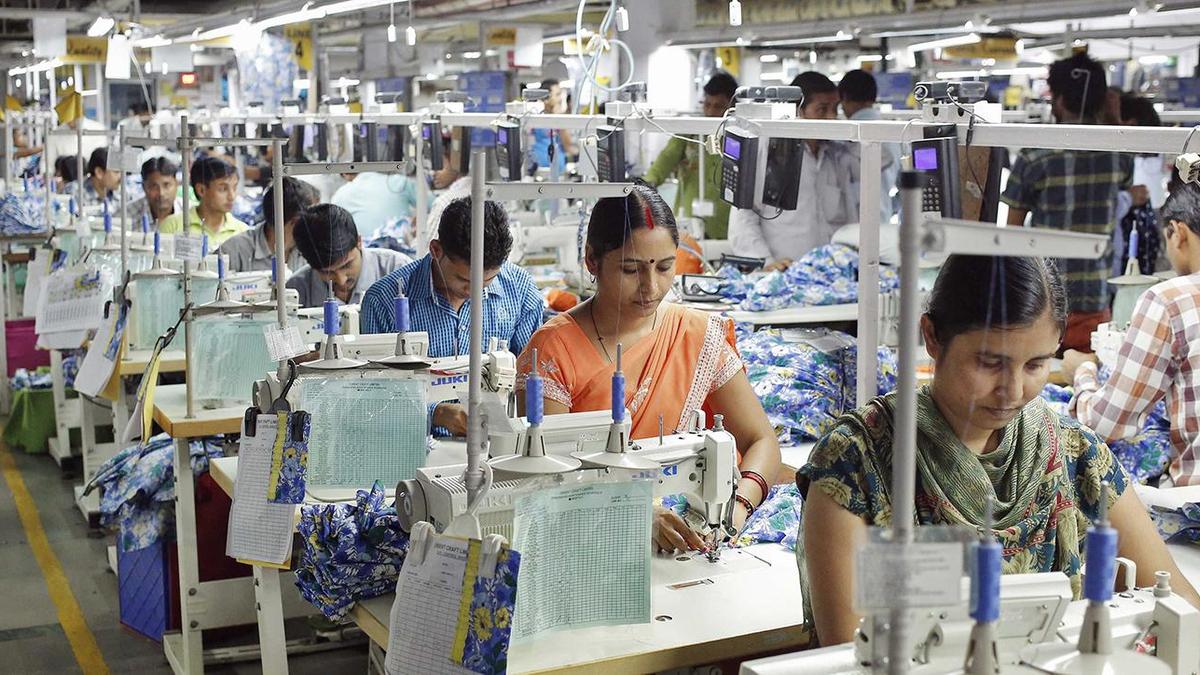
Another dimension of the debate relates to inspection and enforcement capacity. Labour departments often face staffing shortages, which can limit the frequency and depth of inspections. Experts point out that redefining factories or altering overtime rules will require corresponding updates in monitoring practices. Digital compliance systems, self-certification models, and risk-based inspections are being discussed as ways to modernize oversight. However, unions caution that self-certification should not replace independent verification. A balanced approach combining technology with human oversight may be necessary to maintain accountability.
Small business associations have entered the discussion, expressing concern that compliance requirements should remain manageable for micro and small enterprises. They argue that overly complex regulations could discourage entrepreneurship and formalization. Simplified procedures, clear guidelines, and training support may help smaller units adapt without compromising worker welfare. Policymakers thus face the dual task of protecting labour rights while ensuring that regulatory burdens do not stifle economic activity. This balance is central to the broader objectives of labour code reforms.
Academic observers see the current consultation as reflective of India’s wider transition in labour governance. As economies diversify and employment patterns shift, traditional legal categories sometimes struggle to keep pace. Karnataka’s draft code, they note, is part of a national effort to modernize labour frameworks. Debates on overtime and factory definitions illustrate how legal language must evolve alongside industrial realities. Engaging stakeholders in this evolution helps build legitimacy and improves the likelihood of smooth implementation once rules are finalized.
Ultimately, the path forward may depend on continued dialogue and incremental refinement. Unions have indicated willingness to engage constructively if their concerns are meaningfully addressed. Government officials maintain that feedback remains open and that worker welfare is a core objective. The coming revisions will reveal how these competing priorities are reconciled. Beyond specific clauses, the episode underscores the importance of participatory policymaking in labour matters, where decisions directly shape the daily lives, safety, and economic security of thousands of workers across Karnataka.
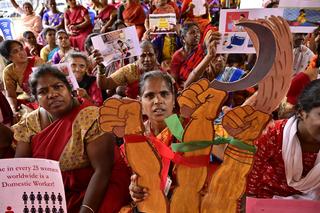
Union leaders say the overtime provisions need clearer safeguards to prevent overwork. They contend that flexibility for employers must not come at the cost of worker health and fair compensation. Representatives from industrial labour groups have pointed out that overtime limits historically exist to prevent exploitation and ensure adequate rest. If thresholds are altered without strong monitoring, they argue, employees in manufacturing and allied sectors could face pressure to work longer hours. The concern is particularly pronounced in small and medium enterprises where union presence and enforcement mechanisms may be weaker.
The definition of “factory” in the draft has emerged as another focal point of debate. Unions fear that narrowing or modifying this definition might exclude certain establishments from regulatory oversight. If some workplaces fall outside the legal category of factories, they could be exempt from safety norms, inspection requirements, and worker welfare provisions. Labour activists stress that evolving production models, including smaller units and outsourced facilities, should not be used to bypass protections. They argue that definitions must adapt to modern industry while preserving coverage for all workers performing industrial tasks.
Government officials, however, have stated that the draft aims to streamline terminology and remove inconsistencies rather than reduce safeguards. They emphasize that the code is still in consultation stage and subject to revisions based on stakeholder feedback. According to labour department sources, the objective is to create clarity for both employers and employees, reducing legal disputes arising from ambiguous definitions. Authorities have encouraged unions, industry bodies, and civil society organizations to submit detailed suggestions, assuring that no final decision has been taken.
Legal experts observing the process note that definitions in labour law carry significant implications. They determine which establishments are subject to inspections, safety audits, and compliance requirements. Even minor wording changes can shift regulatory reach. Analysts therefore view the unions’ concerns as part of a healthy consultative process. Public consultation, they say, is designed precisely to identify such issues before finalization. The debate underscores the complexity of modern labour governance, where balancing ease of doing business with worker welfare remains a central challenge.
OVERTIME PROVISIONS UNDER SCRUTINY
Unions argue that overtime rules must prioritize worker well-being. Extended hours without adequate rest can lead to fatigue-related accidents and health problems. They are seeking explicit caps on daily and weekly overtime and mandatory double wages for extra hours. Some labour groups also demand stronger record-keeping obligations so that working hours are accurately documented. Without proper tracking, they warn, theoretical limits may not translate into real-world protection. The unions have urged the government to incorporate strict compliance mechanisms before finalizing the rules.
Industry representatives, on the other hand, emphasize the need for operational flexibility. Manufacturing units often face fluctuating demand and seasonal production cycles. Employers argue that rigid limits could hamper productivity and competitiveness. They suggest that voluntary overtime, with appropriate compensation, can benefit both sides. However, experts note that voluntariness in employer-employee relationships can be complex, particularly where job security is uncertain. The challenge for policymakers lies in designing a framework that allows flexibility while preventing coercion or abuse.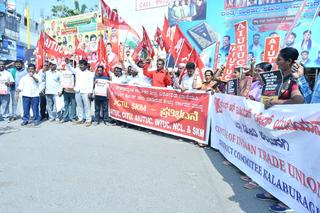
Labour economists point out that overtime regulation also affects employment generation. If overtime becomes easier and cheaper, firms might rely on existing workers rather than hiring new staff. Conversely, stricter limits could encourage broader recruitment. The policy balance therefore has macroeconomic implications beyond individual workplaces. Karnataka’s industrial sector, spanning manufacturing, textiles, and engineering, is closely watching how the final rules shape labour costs and productivity. The outcome could influence investment decisions and workforce strategies across the State.
Health and safety advocates have linked the overtime debate to workplace accident data. Fatigue has been identified as a contributing factor in industrial mishaps. Ensuring adequate rest periods is thus a preventive safety measure. Experts recommend integrating overtime policy with occupational health standards, including periodic medical checks and risk assessments. They argue that economic gains from longer working hours should not outweigh the human cost of exhaustion. This perspective has strengthened unions’ call for cautious drafting of the overtime clauses.
DEFINING THE “FACTORY” IN A CHANGING ECONOMY
The definition of a factory determines which units must follow safety codes, welfare provisions, and inspection norms. As production models evolve, many smaller units operate with industrial processes but may not fit traditional definitions. Unions worry that the draft wording could leave such establishments outside regulatory oversight. They insist that worker protection should depend on the nature of work rather than the scale or formal classification of the enterprise. Expanding coverage, they argue, is essential in an era of subcontracting and decentralized manufacturing.
Government sources say the intention is to update terminology to reflect technological and organizational changes. They argue that clarity benefits enforcement agencies and reduces litigation. Officials maintain that safety and welfare standards remain priorities and that no establishment engaged in hazardous processes will be excluded. Still, they acknowledge the sensitivity of definitions and the need for careful consultation. Feedback from unions and experts may lead to refinements before the code is finalized.
Industrial safety professionals stress that regulatory coverage must keep pace with emerging sectors such as electronics assembly and small-scale fabrication. These units may employ fewer workers but still involve machinery and risks. Excluding them could create uneven safety environments. A uniform approach, experts say, helps maintain baseline standards across industries. The debate over the factory definition thus reflects broader questions about how labour laws adapt to technological shifts while safeguarding fundamental worker rights.
The consultation process continues, with public hearings and written submissions expected to shape the final version. Both unions and employers recognize that labour policy influences not only workplace conditions but also the State’s economic trajectory. Achieving consensus may be difficult, yet dialogue remains active. Observers note that the outcome will signal how Karnataka balances modernization with social protection in its labour governance framework.
As discussions progress, the draft code has already achieved one objective: sparking widespread engagement with labour policy. Worker groups, industry associations, legal experts, and policymakers are examining clauses in detail. Such scrutiny, though contentious, can strengthen the final framework. Whether the government’s revisions address union concerns on overtime and factory definition will determine how the new rules are received. Ultimately, the process highlights the evolving nature of labour law in a rapidly changing industrial landscape.
Follow: Karnataka Government
Also read: Home | Channel 6 Network – Latest News, Breaking Updates: Politics, Business, Tech & More
