
Farmers Grievance Day Meeting Raises Alarm Over Rising Labour Costs
Farmers grievance day meeting held in Dharmapuri brought forward serious concerns from sugarcane cultivators regarding the sharp increase in labour costs. Farmers from various blocks participated in the meeting and urged the administration and sugar mills to intervene before cultivation becomes financially unviable.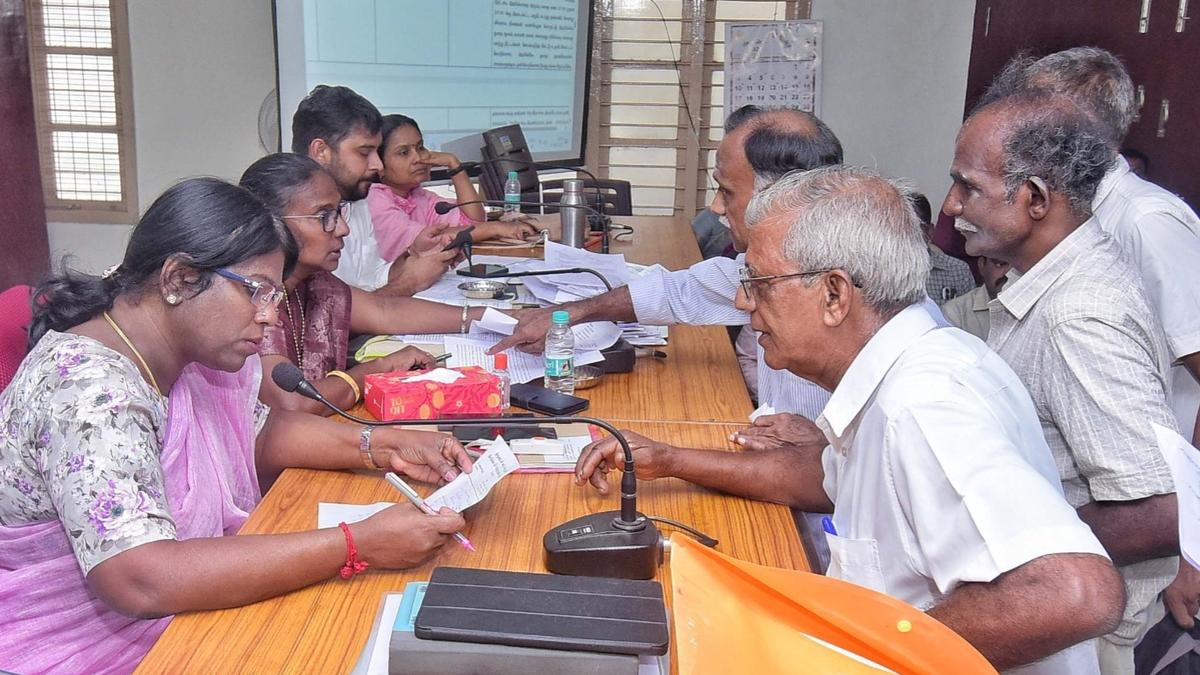
Sugarcane farmers explained that labour expenses have risen steadily over the years, while returns have failed to match the increasing cost of cultivation. They said that without support or regulation, many farmers may be forced to reduce cultivation or move away from sugarcane farming altogether.
During the meeting, cultivators stressed that labour charges during harvesting have become the biggest burden. They requested the authorities to either regulate labour costs or provide financial support through subsidies to help manage the rising expenses.
Farmers Grievance Day Meeting Reflects Financial Pressure on Cultivators
Farmers grievance day meeting discussions revealed the economic stress faced by sugarcane growers at every stage of cultivation. Farmers explained that the process begins with heavy borrowing, often through crop loans, to cover planting, fertilisers, and pesticides.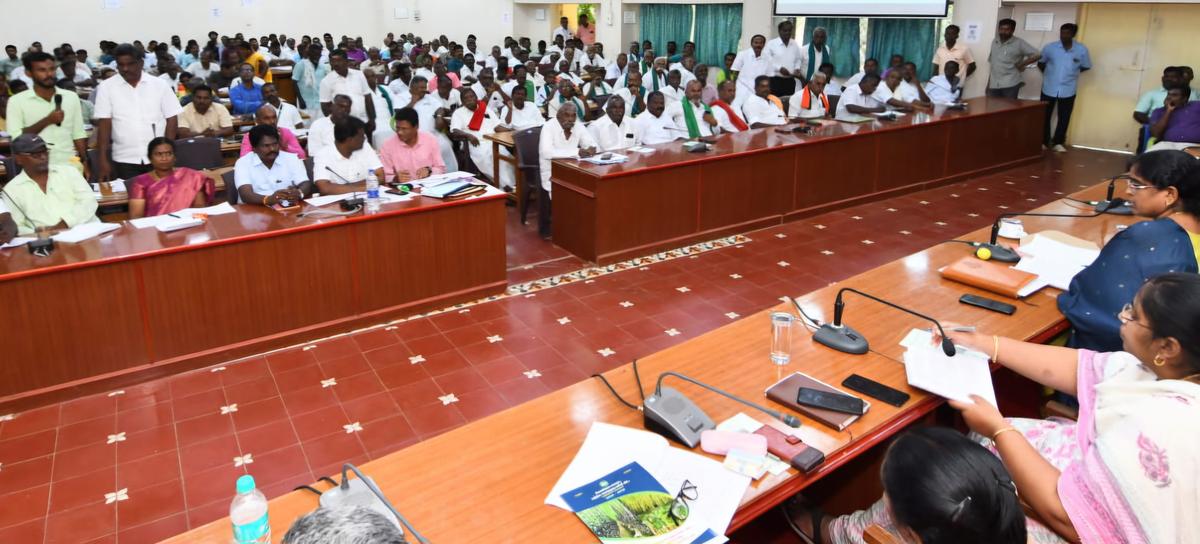
According to cultivators, an average farmer spends around ₹ 70,000 per acre before harvest begins. Once harvesting starts, labour costs increase sharply. Farmers said they are currently paying between ₹ 1,200 and ₹ 1,400 per labourer for every tonne of sugarcane harvested.
With an average yield of about 27 tonnes per acre, labour expenses alone cross ₹ 1 lakh per acre. Farmers pointed out that this cost continues to rise as the grinding season progresses, further reducing their profit margin.
While the procurement price per tonne is fixed based on recovery rate, farmers said the income received is not enough to absorb these rising costs. Even with a recovery rate above 10 percent, a large portion of earnings goes towards labour payments, loan repayments, and other operational expenses.
Cultivators stated that if labour costs were manageable, sugarcane farming could still remain viable. However, the present situation leaves them with little room for savings or reinvestment.
Farmers Grievance Day Meeting Draws Mixed Response from Mills
Farmers grievance day meeting also heard responses from representatives of cooperative sugar mills. Officials acknowledged the challenges faced by farmers but explained that mills have limited control over labour arrangements in most cases.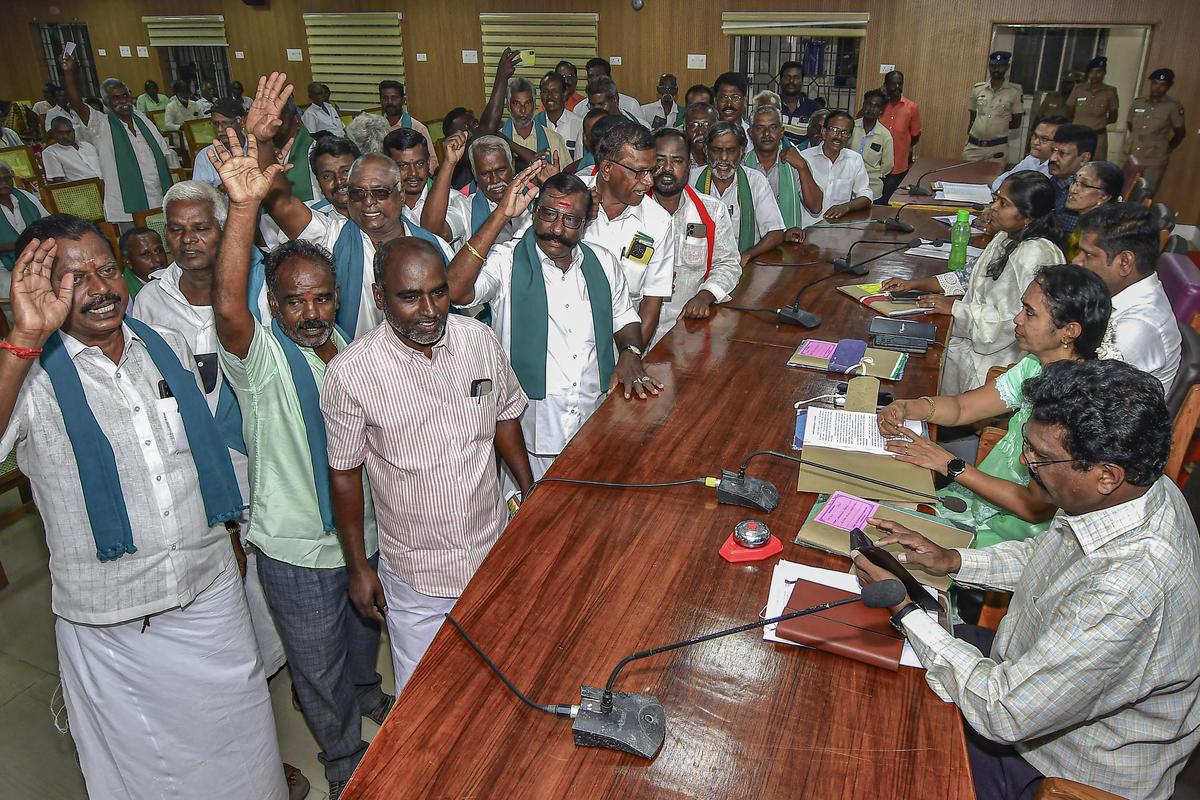
Mill representatives said that efforts were made in the past to organise labour groups to keep costs under control. However, many farmers prefer to hire labourers independently, making it difficult for mills to intervene directly in wage negotiations.
Officials added that labour availability becomes a major issue towards the end of the grinding season. As fewer labourers are willing to work, wages increase further, sometimes reaching nearly ₹ 2,000 per tonne. This seasonal shortage worsens the financial strain on farmers.
View this post on Instagram
Farmer associations argued that without coordinated action, individual efforts by farmers or mills will not be sufficient. They stressed the need for district-level or state-level solutions to address labour shortages and wage instability.
Suggestions raised during the meeting included structured labour contracts, government-supported labour pools, and financial assistance during peak harvesting periods. Farmers also asked for timely payments from mills to reduce their dependence on high-interest loans. Also Read: International Olympic Academy Praises India’s Vision for Olympic Movement, Explores Collaboration on Sports Education: 2026
Participants warned that continued neglect of the issue could reduce sugarcane cultivation area in the district. This, they said, would not only affect farmers but also sugar mills and related rural employment.
Despite the concerns, farmers reiterated their commitment to cultivation if reasonable support measures are implemented. They urged authorities to treat the issue as urgent, given the long-term importance of sugarcane farming to the local economy.
Conclusion
The farmers grievance day meeting in Dharmapuri highlighted the growing burden of labour costs on sugarcane cultivators. With expenses rising faster than returns, farmers are seeking timely intervention to protect their livelihoods and sustain sugarcane farming in the region.
