
Devendrakula Velalars Plea Leads to High Court Notice on Survey Demand
Devendrakula Velalars have come into focus following a Public Interest Litigation filed before the Madurai Bench of the Madras High Court seeking a comprehensive socio-economic and educational survey of the community in Tamil Nadu. The court has issued notices to both the State and Union governments, asking them to respond to the plea.
The petition seeks a direction to conduct a detailed and scientific survey to assess the real living conditions of the Devendrakula Velalar community. It also requests that any proposal related to their exclusion from the Scheduled Caste category should be considered only after such a survey is completed and its findings are made public.
The matter was heard by a division bench, which observed that such issues fall under policy decisions. However, the court proceeded to issue notice to the authorities concerned, keeping the matter open for further examination. The case has been posted for hearing at a later date.
Devendrakula Velalars Survey Demand Linked to Poverty Concerns
Devendrakula Velalars continue to face significant socio-economic challenges, according to the petitioner. The plea stated that a large section of the community, especially in districts such as Ramanathapuram, continues to live in extreme poverty with limited access to education and stable employment.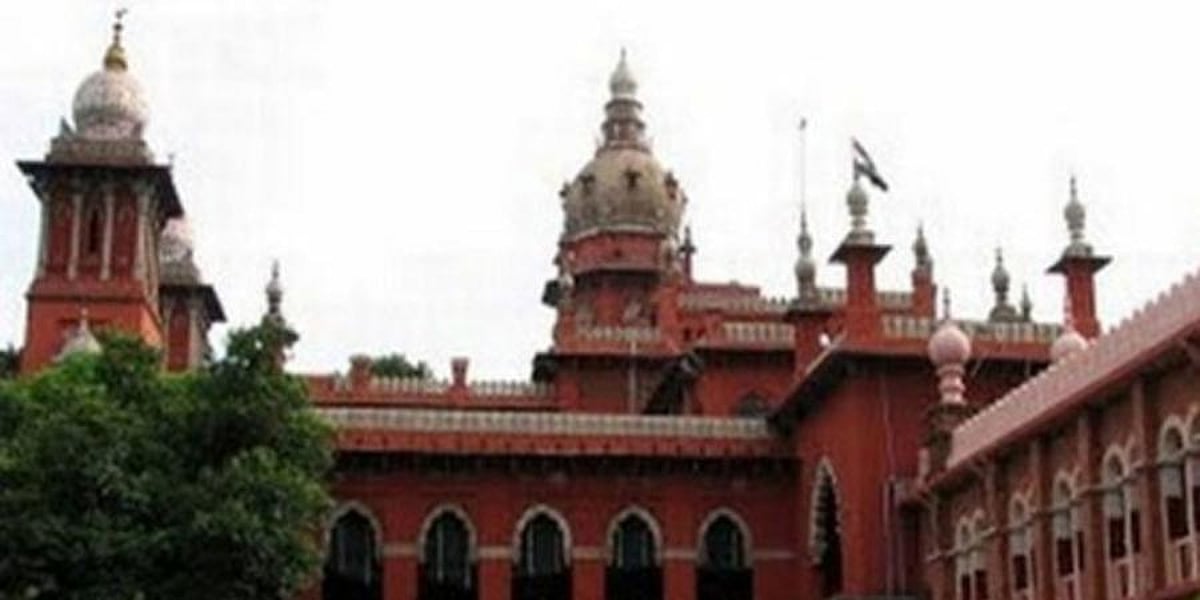
The petitioner argued that the community’s inclusion in the Scheduled Caste list has provided essential constitutional safeguards. These benefits, he said, have only recently begun to show small improvements in access to education and economic opportunities.
The petition raised concern over claims made by certain groups suggesting that the Devendrakula Velalar community has achieved complete social and economic equality. According to the petitioner, such claims are not supported by any official or scientific data and create a misleading picture of the community’s actual condition.
He further stated that these narratives have caused confusion among young members of the community. Many fear that the removal of Scheduled Caste status would lead to the loss of educational reservations and welfare schemes, even though ground-level backwardness continues.
The plea stressed that a proper survey is the only way to establish factual data on income levels, education, employment, and living standards. Without such data, any decision regarding the community’s classification would lack a solid foundation.
Devendrakula Velalars Status and Policy Implications
Devendrakula Velalars classification under the Scheduled Caste list carries long-term policy implications. The petitioner warned that removing the community from the list without evidence-based assessment could reverse the limited progress achieved so far.
According to the plea, many families within the community are still struggling to attain self-sufficiency in professional and educational fields. The petitioner argued that premature policy decisions could push the community back into deeper social and economic disadvantage.
The court, while hearing the matter, orally remarked that decisions regarding caste classification and surveys fall within the domain of government policy. Despite this observation, the bench issued notices to the State and Union governments, signalling that the concerns raised require an official response.
The case has reignited public discussion on the importance of data-driven policymaking, especially when it concerns historically disadvantaged communities. Social activists and legal observers note that socio-economic surveys help ensure transparency and prevent decisions based on assumptions rather than evidence.
The plea does not seek immediate policy change but instead calls for a structured and scientific approach. It emphasises that only after understanding the actual conditions of the community should any proposal regarding exclusion from the Scheduled Caste category be considered. Also Read: International Olympic Academy Praises India’s Vision for Olympic Movement, Explores Collaboration on Sports Education: 2026
Observers also point out that similar demands have been raised by other communities in the past, highlighting the growing role of empirical studies in shaping welfare policies.
For now, the High Court’s notice marks the first step in a legal process that could influence future discussions around community classification and welfare entitlements in Tamil Nadu.
Conclusion
The Devendrakula Velalars plea before the Madras High Court has brought renewed attention to the need for a scientific socio-economic survey. As governments prepare their responses, the case highlights the importance of data-based decisions in safeguarding the interests of vulnerable communities.
