
The Amit Shah North Bengal 2026 strategy has become a focal point in India’s political discourse. During his visit to West Bengal, Union Home Minister Amit Shah launched a scathing attack on the ruling Trinamool Congress (TMC), branding it the “most corrupt government in India” and accusing it of fueling social strife. He further asserted that the BJP would sweep North Bengal in the 2026 polls, signaling a renewed push by the party to consolidate its position in the region.
This episode underscores the intersection of electoral strategy, governance accountability, and political rivalry, where allegations of corruption and promises of change dominate the narrative.
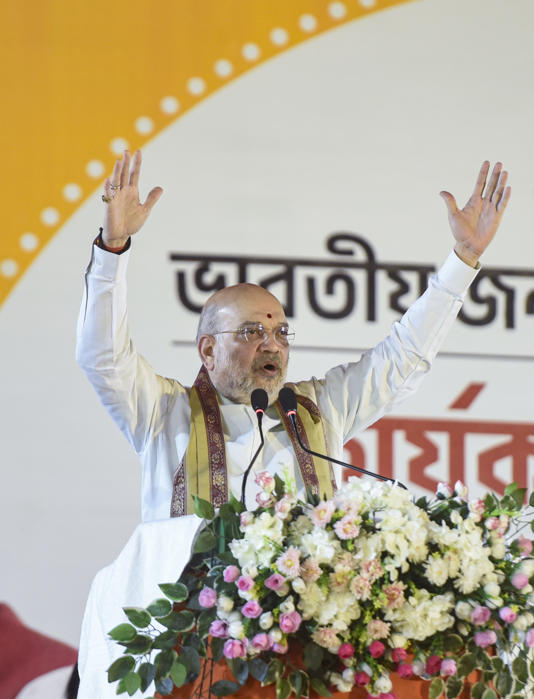
2. Amit Shah North Bengal 2026 Strategy: The Remarks
- Speaker: Amit Shah, Union Home Minister and senior BJP strategist.
- Accusations: TMC is the “most corrupt government in India.”
- Narrative: TMC allegedly fuels social strife and division.
- Electoral claim: BJP will sweep North Bengal in 2026 polls.
- Significance: Reflects BJP’s attempt to frame the 2026 elections as a battle against corruption and misgovernance.

3. Why This Case Matters
- Electoral stakes: North Bengal is a politically sensitive region with diverse demographics.
- Governance accountability: Allegations of corruption raise questions about transparency.
- Political rivalry: BJP vs. TMC contest defines Bengal’s political landscape.
- Public trust: Handling of corruption allegations influences confidence in institutions.
4. Political and Social Reactions
- BJP cadres: Welcomed Shah’s remarks, viewed them as morale‑boosting.
- TMC leaders: Dismissed allegations, accused BJP of divisive politics.
- Civil society: Expressed concern about rising polarization.
- Observers: Noted potential for remarks to reshape narratives on governance and electoral strategy.
5. Governance Challenges
The controversy reflects systemic governance issues:
- Corruption allegations: Transparency in public spending is essential.
- Social strife: Managing communal harmony is a governance priority.
- Administrative accountability: Citizens demand clarity on governance promises.
- Judicial oversight: Courts may intervene if corruption cases are substantiated.
6. Community Concerns
- Families: Seek stability amid political contestation.
- Youth: Demand jobs and development beyond political rhetoric.
- Civil society groups: Call for participatory governance in electoral reforms.
- Opposition voices: Warn of marginalisation if grievances are ignored.
7. Government External Links for Assistance
- Government of West Bengal: https://wb.gov.in
- Supreme Court of India:
https://main.sci.gov.in(main.sci.gov.in in Bing) (bing.com in Bing) - Ministry of Home Affairs: https://mha.gov.in
- Ministry of Law & Justice: https://lawmin.gov.in
- Election Commission of India: https://eci.gov.in
8. Historical Context of BJP in Bengal
- 2014–2019: BJP rose from marginal presence to major opposition force.
- 2021 Assembly elections: BJP made gains but failed to unseat TMC.
- Post‑2021: BJP focused on organizational strengthening in North Bengal.
- 2026: Shah’s remarks reflect continuity of efforts to recalibrate strategy.
9. Global Comparisons
Similar political strategies worldwide:
- USA: Party leaders frame elections around corruption and governance failures.
- UK: Allegations of mismanagement often dominate electoral campaigns.
- Africa: Anti‑corruption narratives frequently used to mobilize voters.
India’s case mirrors these global practices where party strategy collides with governance, community welfare, and electoral accountability.
10. Governance Lessons
The North Bengal controversy teaches:
- Transparency in party agendas builds credibility.
- Community engagement ensures legitimacy of reforms.
- Balanced vigilance strengthens governance legitimacy.
- Judicial oversight protects fairness in electoral governance.
11. Future Outlook – Electoral Governance in Bengal
India must move towards:
- Digitised monitoring systems for party promises.
- Public dashboards showing progress of electoral commitments.
- Independent audits of campaign financing.
- Educational campaigns linking electoral participation with civic responsibility.
✅ Conclusion
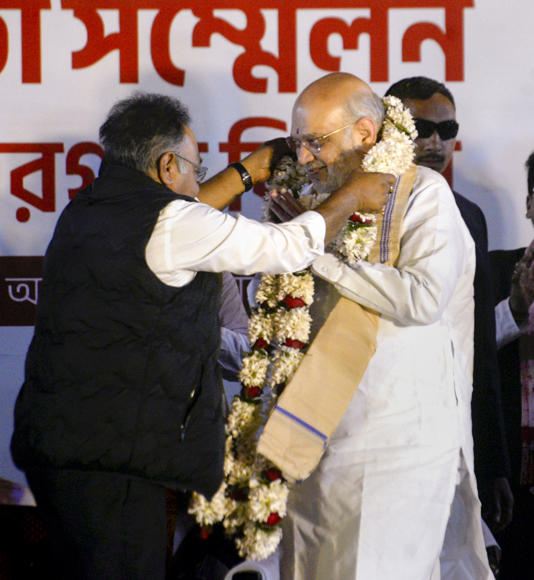
The Amit Shah North Bengal 2026 strategy is more than a routine political speech—it is a test of India’s democratic resilience and governance credibility. As Amit Shah accuses TMC of corruption and promises a BJP sweep, ordinary citizens await clarity on whether governance will deliver transparency, fairness, and respect for democratic dignity. For Bengal, the lesson is clear: democracy thrives when governance delivers inclusivity and accountability in electoral politics.
Also read: Home | Channel 6 Network – Latest News, Breaking Updates: Politics, Business, Tech & More
