
NGT Asks Tamil Nadu to Apply Kaanum Pongal Protocols to All Major Gatherings
NGT asks Tamil Nadu to extend the structured crowd control and waste management measures used during Kaanum Pongal to every major public gathering across the State, marking a clear push toward consistent environmental discipline. The direction was issued by the southern bench of the National Green Tribunal while examining a case related to garbage accumulation during the recent festival celebrations.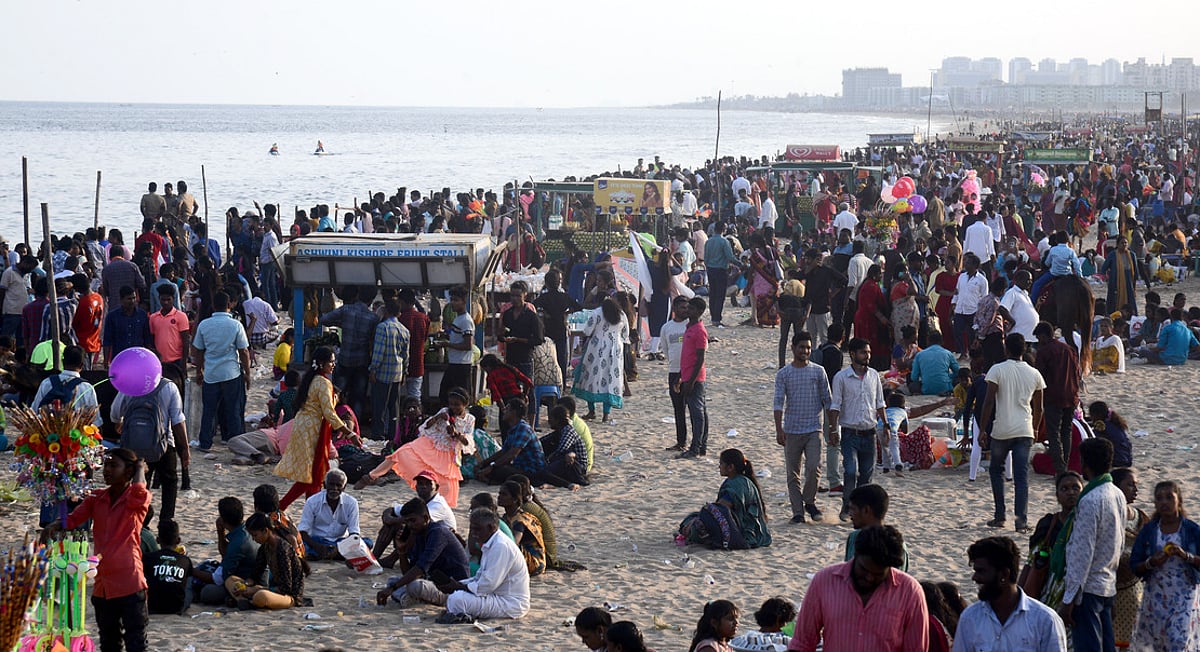
The tribunal observed that the approach adopted during Kaanum Pongal reflected a clear shift in the way public events were handled, moving away from late clean-up efforts toward planned, preventive action. Officials informed the bench that coordinated preparation, real-time waste handling and stronger monitoring helped keep public spaces visibly cleaner, particularly along the coastline.
The tribunal stressed that such success should not remain limited to one festival but must become a standard practice for religious events, tourist seasons and large public gatherings that draw massive crowds.
NGT Asks Tamil Nadu to Address Crowd Behaviour Through Awareness and Monitoring
During the hearing, the tribunal highlighted that crowd behaviour remains one of the biggest challenges during festivals. It noted that even with adequate cleaning staff and infrastructure, careless disposal of food waste and plastic by visitors continues to damage public spaces.
Referring to large religious events held annually, the bench pointed out that devotees often bring food from home and discard leftovers along roads and open areas, creating sanitation and health risks. The tribunal made it clear that infrastructure alone cannot solve the problem unless public responsibility improves.
One of the key suggestions discussed was the deployment of student volunteers during major gatherings. The tribunal observed that involving students could bring a visible change in public behaviour, as volunteers can guide visitors, discourage littering and promote responsible conduct in a non-confrontational manner. According to the bench, awareness efforts must work alongside enforcement to achieve lasting results.
The Greater Chennai Corporation informed the tribunal that the Standard Operating Procedure implemented during Kaanum Pongal included pre-event planning, placement of additional waste bins, round-the-clock cleaning in shifts, public announcements and enforcement teams on the ground. Coordination with the Tamil Nadu Pollution Control Board also played a major role in monitoring waste handling and disposal.
The tribunal acknowledged that these combined efforts resulted in cleaner beaches and public spaces, setting a clear example of how planning and coordination can reduce environmental damage during high-footfall events.
NGT Asks Tamil Nadu to Maintain Enforcement Without Dilution
While appreciating the progress made, the tribunal cautioned against any relaxation in enforcement. It observed that even a slight dilution in monitoring could undo the benefits of the Standard Operating Procedure.
The bench took note of reports suggesting misuse of facilities meant for persons with disabilities, including a temporary access ramp installed during the festival. It stated that such violations demand strict action, especially when infrastructure designed for accessibility is misused or damaged.
The State government submitted that steps are being taken to reduce pressure on overcrowded public spaces. One such measure includes rationalising the number of vendors along Marina Beach. Officials informed the tribunal that the number of hawkers is being brought down significantly to control waste generation and regulate activities more effectively.
View this post on Instagram
However, the tribunal made it clear that reducing numbers alone is not enough unless supported by constant monitoring and clear rules. It emphasised zero tolerance for violations, particularly during events where crowd size increases environmental risk.
The tribunal also recorded its appreciation for senior officials across departments for responding swiftly during Kaanum Pongal and ensuring effective execution of waste management plans. It suggested that coordination meetings between departments should not be limited to festival seasons but conducted regularly to ensure sustained implementation throughout the year. Also Read: CM Stalin Opens Memorial Hall in Sivaganga: 1 Event That Revives Shared History
According to the bench, institutionalising these measures will help Tamil Nadu manage festivals, tourist inflows and public events without recurring environmental damage.
The matter has been posted for the submission of compliance reports, allowing the tribunal to review whether the directions are being translated into long-term action.
Conclusion
NGT asks Tamil Nadu to move from event-based responses to a permanent system of responsible crowd and waste management. The direction signals a shift toward cleaner public spaces through planning, awareness and strict enforcement across the State.
