
Chennai on Fast Track Gains Momentum with New High-Speed Rail Vision
Chennai on fast track development received a major push after the Union Budget highlighted high-speed rail corridors connecting Chennai with Bengaluru and Hyderabad. The announcement has renewed expectations of faster travel, stronger regional ties, and long-term economic impact for Tamil Nadu. With trains designed to run at speeds of up to 350 kmph, the proposed corridors are expected to change how people move between major southern cities.
The Chennai–Bengaluru and Chennai–Hyderabad high-speed rail routes are being viewed as strategic projects that can reshape transport patterns. These corridors aim to reduce long travel hours and offer a reliable alternative to air and road transport, especially for business travellers and daily commuters.
Chennai on Fast Track Linked to Bengaluru Through a Strategic Corridor
The Chennai–Bengaluru high-speed rail corridor is expected to follow the alignment of the Bengaluru–Chennai Expressway, which is currently under construction. This alignment is considered practical as it reduces land acquisition challenges and allows coordinated infrastructure development.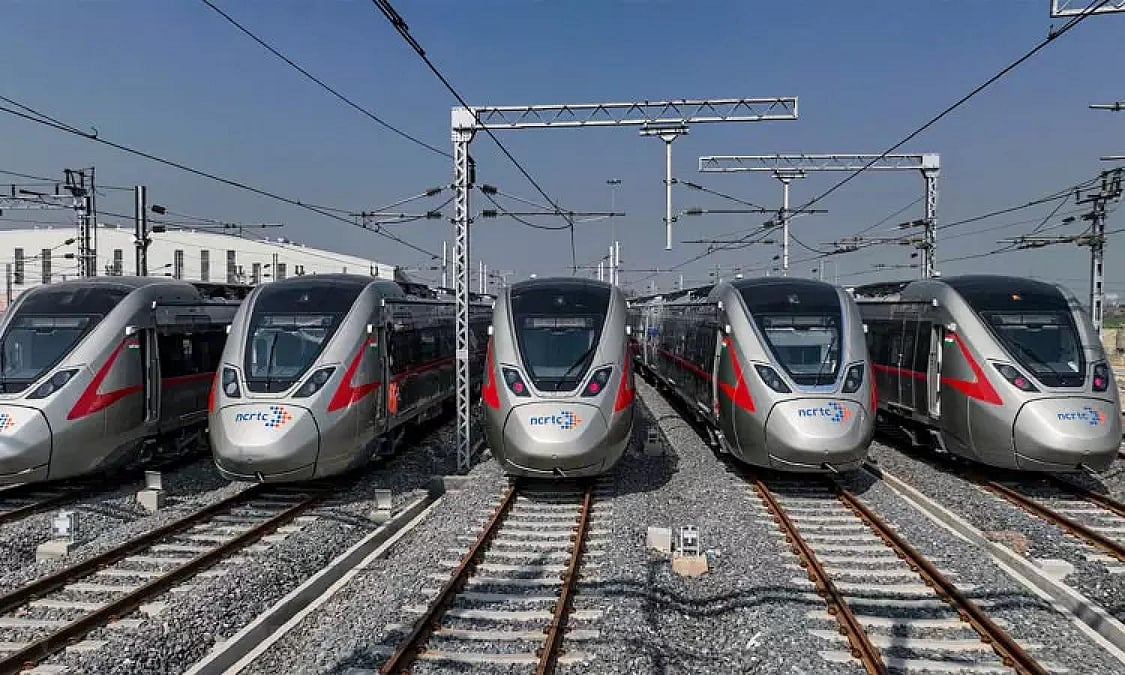
The corridor is likely to pass through key regions such as Kancheepuram, Arakkonam, and Chittoor. With an estimated length of around 290 to 300 kilometres, the project could cut travel time between Chennai and Bengaluru to just over one hour. This is a sharp contrast to the current rail journey, which takes more than four hours even on the fastest trains.
Chennai on Fast Track Impact on Daily Travel and Business Movement
At present, the Chennai–Bengaluru route is one of the busiest rail corridors in the country. Trains such as Vande Bharat and Shatabdi serve thousands of passengers daily, yet travel time remains long due to speed limits and congestion. Road travel is also unpredictable due to traffic, especially near Bengaluru.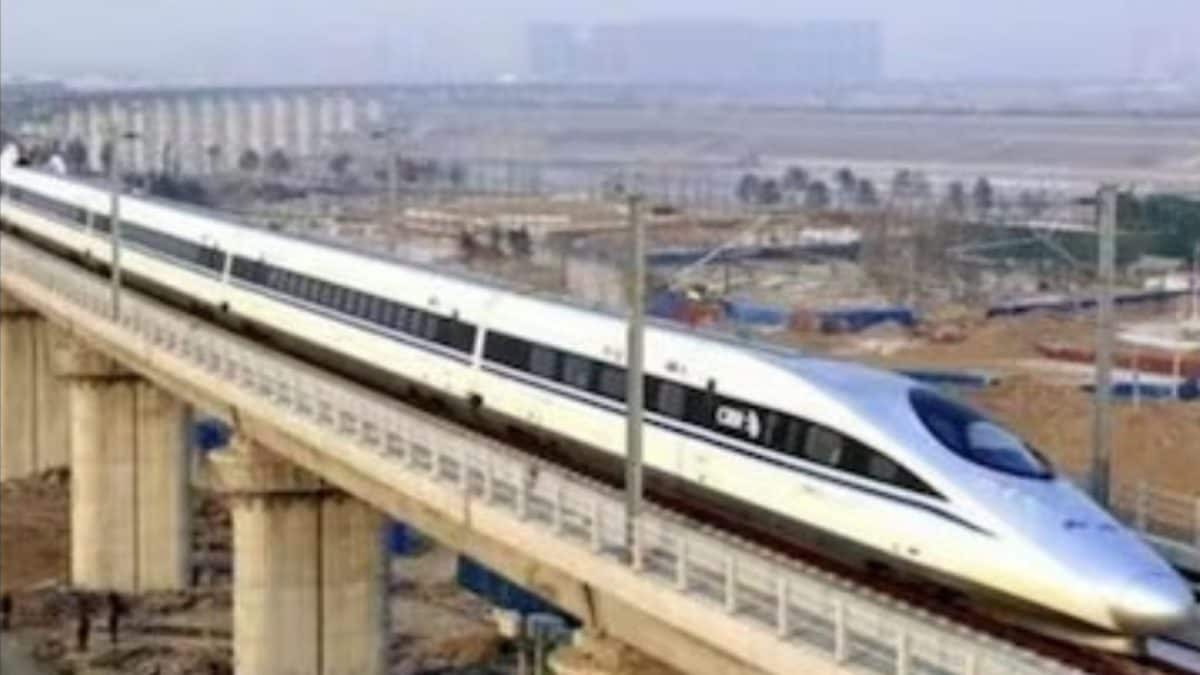
A high-speed rail option could ease pressure on both roads and airports. Passengers travelling for work, education, or short business visits may prefer trains that offer faster, city-centre to city-centre connectivity. This shift could reduce dependence on short-haul flights and improve overall transport efficiency.
Chennai on Fast Track Role in Regional Economic Growth
Faster connectivity between Chennai and Bengaluru could support industrial expansion, logistics movement, and employment growth. Both cities are major technology and manufacturing hubs, and better transport links can encourage investment along the corridor. Smaller towns located along the route may also benefit from improved access to markets and services.
Chennai on Fast Track Faces Limited Gains from Hyderabad Corridor
While the Chennai–Hyderabad high-speed rail corridor promises faster inter-State travel, its direct impact on Tamil Nadu is expected to be limited. Of the total corridor length of nearly 778 kilometres, only a small portion runs through Tamil Nadu. This reduces opportunities for local development compared to the Bengaluru route.
View this post on Instagram
Currently, rail connectivity between Chennai and Hyderabad is time-consuming, with journey durations stretching up to 15 hours. The proposed corridor could reduce this to around three hours, offering a major improvement in comfort and efficiency for passengers.
However, infrastructure experts note that economic benefits within Tamil Nadu may be modest, as most of the corridor passes through other States. Existing port connectivity projects and road networks already serve Chennai’s logistics needs, reducing the immediate necessity of this route for local growth. Also Read: NGT Asks Tamil Nadu to Expand Proven Waste Control Model Across Public Events
Conclusion
Chennai on fast track progress through high-speed rail signals a major shift in southern India’s transport planning. While the Chennai–Bengaluru corridor holds strong potential for economic and commuter benefits, the Hyderabad route mainly strengthens inter-State connectivity. If executed efficiently, these projects could redefine travel, reduce congestion, and support long-term development, placing Chennai firmly at the centre of a faster and more connected future.
