
The circulation of fake SSLC question papers on Instagram has triggered widespread concern across Karnataka, prompting the School Education Department to file an official police complaint. Authorities said the misleading content created confusion and anxiety among thousands of students preparing for the crucial board examinations. Officials clarified that the question papers circulating on social media were fabricated and not connected to the Karnataka School Examination and Assessment Board. The department urged students and parents not to believe unverified sources and to rely only on official communication channels for exam-related updates and notifications during this sensitive academic period.
Education officials noted that board examinations are a high-pressure time for students, making them particularly vulnerable to misinformation. The fake papers reportedly mimicked the format of official question papers, which made them appear credible to unsuspecting viewers. Several parents contacted schools and department helplines seeking clarification, reflecting the panic such rumors can cause. Authorities emphasized that such actions are not harmless pranks but serious offenses that disrupt the education system. They stressed that spreading false examination material can undermine student confidence and create unnecessary stress during an already demanding phase.
Officials have reiterated that any authentic update regarding SSLC examinations will be released only through official circulars, school authorities, and recognized government communication channels. They warned that students should be cautious of pages or accounts claiming insider access to question papers, as such claims are almost always fraudulent. Education officers have been instructed to hold awareness briefings in schools, guiding students on how official exam systems work and why confidential papers cannot be leaked so easily. This transparency, authorities believe, can help reduce fear and make students less susceptible to manipulation through sensational or misleading online posts.
Psychologists working with adolescents pointed out that exam-related rumors often spread because of collective anxiety. When one student believes a piece of misinformation, it quickly influences peer groups, creating a chain reaction of stress. Experts recommend that schools integrate short sessions on emotional regulation and critical thinking during exam season. Teaching students to pause, verify, and think logically before reacting to alarming information can significantly reduce panic. Building these skills not only helps during exams but also prepares young people to navigate misinformation in other aspects of life, especially in an increasingly digital world.
The incident has also sparked discussion among policymakers about introducing stronger digital citizenship education in school curricula. Educators argue that students must be equipped not just academically but also socially and digitally. Understanding online ethics, legal consequences of misuse, and the impact of sharing false information can create more responsible online behavior. Authorities believe that early education about cyber laws and online accountability can act as a preventive tool. Such long-term measures may reduce the likelihood of students either falling victim to or unknowingly participating in the spread of harmful misinformation.
As investigations continue, officials have urged students to channel their energy into revision rather than speculation. Teachers are being encouraged to provide additional academic support where needed, helping students regain focus after the disruption. Education authorities maintain that maintaining calm and clarity is essential to protecting students’ mental well-being. The department’s swift complaint and follow-up actions aim to send a strong message that examination integrity is a priority. By combining enforcement, awareness, and emotional support, Karnataka’s education system hopes to turn this incident into a learning moment for safer digital engagement.
The School Education Department stated that a formal complaint has been lodged with the cybercrime police, requesting an investigation into the source of the fake papers. Officials said the aim is to identify individuals or groups responsible for creating and sharing the content. Legal provisions under information technology and examination-related laws may be invoked against those involved. The department reiterated that strict action would be taken to prevent recurrence. Cybercrime experts have begun analyzing social media accounts and digital footprints associated with the posts to trace the origin of the misleading material.
Teachers across the state reported that many students approached them with screenshots of the fake question papers, asking whether they were genuine. Educators had to reassure students and explain the risks of relying on unverified social media content. School principals emphasized the importance of digital literacy, urging students to verify information before accepting it as true. They also highlighted the psychological toll such incidents can have, as fear of unexpected exam questions can affect preparation and performance. Schools have been advised to communicate regularly with parents and students to reduce misinformation.
Parents’ associations expressed concern over the emotional impact on children. Many said their wards became anxious after seeing the posts, fearing that they had missed important topics. Counselors suggested that parents maintain open communication and reassure children that official syllabi and model papers remain unchanged. Experts recommend limiting exposure to exam-related rumors online and focusing on structured preparation. The department has also appealed to social media platforms to remove misleading content swiftly, emphasizing that cooperation from technology companies is essential to prevent the spread of harmful misinformation.
IMPACT ON STUDENTS AND EXAM PREPARATION
The SSLC examination is a milestone in a student’s academic journey, influencing future educational choices. Misinformation during this stage can cause severe stress and distract students from effective study routines. Psychologists warn that repeated exposure to alarming but false information can lead to anxiety, sleep disturbances, and reduced concentration. Students may waste valuable time trying to study from inaccurate material, affecting overall performance. Education experts stress that stable and reliable information flow is crucial to maintaining student confidence and ensuring a fair examination environment for all candidates.
Teachers have observed that rumors often spread faster than official clarifications, especially on social media platforms frequented by teenagers. The viral nature of Instagram posts allowed the fake question papers to reach students across districts within hours. Some students reportedly began sharing the content in peer groups, amplifying the panic. Authorities said this highlights the need for awareness programs on responsible social media use. Schools are being encouraged to hold brief sessions guiding students on identifying credible sources and understanding the consequences of forwarding unverified content.
Counselors suggest practical steps to reduce stress, including structured study schedules, regular breaks, and limiting social media exposure during exam preparation. They emphasize that focusing on official textbooks, past papers, and teacher guidance is the most reliable strategy. Parents are advised to create a supportive environment at home and avoid pressuring children based on rumors. Emotional reassurance, they say, plays a key role in maintaining student well-being. The incident has reinforced the importance of mental health support systems within schools during examination periods.
Education authorities have also directed district officials to monitor similar incidents and report suspicious activities promptly. Helplines have been strengthened to address queries from students and parents. Officials say quick clarification is essential to counter misinformation before it spreads widely. The department plans to issue regular advisories reminding students that official question papers are confidential and cannot appear online before exams. Such proactive communication aims to build trust and reduce the influence of false narratives.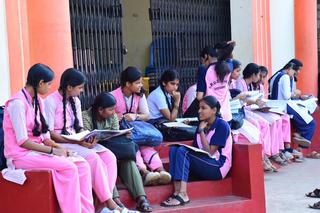
Student groups have called for stricter action against those responsible for circulating fake materials. They argue that such acts jeopardize the fairness of examinations and harm hardworking candidates. Some students said they felt frustrated and confused upon encountering the posts, fearing last-minute changes. Education experts agree that accountability is necessary to deter similar incidents in the future. Ensuring that offenders face consequences can help restore confidence among students and protect the integrity of the examination process.
LEGAL ACTION AND PREVENTIVE MEASURES
Cybercrime officials indicated that digital forensics will be used to track the origin of the posts, including IP addresses and account activity. Social media platforms may be asked to share data to aid the investigation. Legal experts note that circulating fake examination papers can attract penalties under laws related to cheating, forgery, and misuse of digital platforms. Authorities stressed that the case serves as a warning that online anonymity does not protect individuals from legal consequences when public interest is harmed.
The Education Department is also reviewing preventive measures to avoid similar incidents in the future. This includes strengthening cybersecurity protocols, monitoring social media for suspicious content, and enhancing coordination with law enforcement. Officials said awareness campaigns will be conducted to educate students about recognizing fake news. They emphasized that collaboration between educators, parents, students, and authorities is necessary to maintain a secure examination environment.
Technology experts suggest that artificial intelligence tools can help detect and remove misleading exam-related content quickly. Automated systems can flag suspicious posts for review, reducing the time harmful information remains online. Authorities are exploring partnerships with tech companies to implement such measures. They believe combining human oversight with technological solutions can significantly reduce the spread of misinformation related to examinations.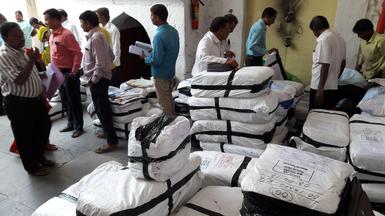
Community leaders have also appealed to the public not to share unverified content. They emphasized that responsible digital behavior is a collective duty, especially when it concerns children’s education. Spreading rumors can have unintended consequences, causing panic and distress. Public cooperation, they say, is essential to maintaining trust in educational institutions and ensuring smooth conduct of examinations across the state.
Experts conclude that while digital platforms offer opportunities for learning and communication, they also pose risks when misused. Strengthening digital literacy, enforcing laws, and promoting responsible behavior can help prevent future incidents. The School Education Department reiterated its commitment to safeguarding student interests and maintaining exam integrity. Authorities urged students to remain calm, focus on preparation, and ignore rumors, assuring them that official question papers remain secure and confidential.
The incident has highlighted the broader challenge of managing misinformation in the digital age. Education systems must adapt to evolving threats while prioritizing student well-being. By combining legal action, awareness, and technological monitoring, Karnataka aims to prevent similar disruptions. The department’s swift response signals a strong stance against misuse of social media in ways that harm students. Officials remain hopeful that continued vigilance and cooperation will ensure a fair and stress-free examination process for all SSLC candidates.
Follow: Karnataka Government
Also read: Home | Channel 6 Network – Latest News, Breaking Updates: Politics, Business, Tech & More
