
BJP MLC C.T. Ravi has been elected president of the Chikkamagaluru District Central Cooperative (DCC) Bank, marking a significant political and institutional development in the district’s cooperative sector. The election, held amid keen interest from political observers and local stakeholders, saw Ravi secure the support of a majority of board members. His elevation to the top post of the cooperative bank is being viewed not only as an administrative shift but also as a reflection of evolving political alignments within grassroots financial institutions that play a vital role in supporting farmers, small traders, and rural entrepreneurs across the region.
The Chikkamagaluru DCC Bank occupies a central place in the district’s rural economy, acting as a financial lifeline for cooperative societies and agricultural communities. By providing crop loans, facilitating self-help group financing, and channeling government-backed credit schemes, the institution influences livelihoods at the village level. Ravi’s election therefore carries significance beyond the immediate political sphere, as decisions taken by the bank’s leadership directly affect credit flow, interest structures, and support services for thousands of beneficiaries. Supporters argue that his experience in public life positions him to strengthen the bank’s outreach and efficiency.
C.T. Ravi, a prominent BJP figure known for his long political career in Karnataka, has held various responsibilities over the years, including legislative roles and organizational assignments. His entry into cooperative banking leadership adds a new dimension to his portfolio. Observers note that leaders with political backgrounds often bring visibility and administrative access to cooperative bodies, potentially helping them secure policy support. However, such appointments also invite scrutiny regarding governance standards and institutional autonomy, as cooperative banks are expected to balance political representation with professional financial management.
The election process reportedly witnessed intense engagement among board members, reflecting the importance attached to the leadership position. Cooperative institutions often mirror local political dynamics, and the DCC Bank is no exception. Analysts suggest that Ravi’s win indicates consolidation of influence within the board, which may translate into smoother decision-making in the near term. Yet, they caution that expectations from members and depositors remain high, particularly in ensuring transparency, timely loan disbursal, and prudent financial practices in a sector that directly impacts rural stability.
Local BJP leaders welcomed the development, describing Ravi’s election as a positive step for the cooperative movement in the district. They expressed confidence that his leadership would bring renewed focus on strengthening financial inclusion and modernizing banking services. Emphasis was also placed on improving digital infrastructure and customer service, areas that cooperative banks across the State are gradually upgrading. Supporters believe that with effective coordination between political leadership and professional staff, the institution can enhance both performance and credibility.
Opposition voices, while acknowledging the legitimacy of the election, emphasized the need to safeguard the bank’s independence and ensure that decisions remain guided by financial prudence rather than partisan considerations. They pointed out that cooperative banks function on trust built over decades and that maintaining depositor confidence is essential. Calls were made for transparent reporting, regular audits, and adherence to regulatory norms. Such perspectives highlight the delicate balance cooperative institutions must maintain between democratic representation and technical governance standards.
ROLE OF COOPERATIVE BANKS IN RURAL ECONOMY
District Central Cooperative Banks form the backbone of short-term agricultural credit systems in many parts of India. In districts like Chikkamagaluru, where farming and allied activities are central to livelihoods, these banks link primary agricultural cooperative societies with higher financial structures. Through seasonal loans, input financing, and support to self-help groups, they enable farmers to access timely funds. Ravi’s presidency thus comes at a time when agricultural communities face challenges related to input costs, market fluctuations, and climate variability, making efficient cooperative credit systems even more crucial.
Experts emphasize that leadership at the DCC Bank level must focus on strengthening recovery mechanisms while remaining sensitive to farmers’ realities. Loan waivers and restructuring often enter political discourse, but sustainable banking requires balancing relief measures with fiscal responsibility. Observers hope that Ravi’s administrative experience can help navigate this complexity, ensuring both responsiveness and stability. Enhancing financial literacy among members and promoting diversified income streams are also seen as key strategies for improving long-term outcomes in cooperative banking ecosystems.
Another priority area is technology integration. Cooperative banks are increasingly adopting core banking solutions and digital interfaces to improve service delivery. Streamlining processes such as account management, loan tracking, and transaction transparency can reduce delays and enhance customer satisfaction. Ravi’s supporters have indicated that modernization will be high on the agenda. However, successful implementation depends on staff training, infrastructure investment, and coordination with regulatory bodies. Experts note that digital progress must also remain inclusive, ensuring that rural customers with limited technological access are not left behind.
The governance structure of cooperative banks requires careful oversight by elected boards and professional management teams. Leadership transitions often provide an opportunity to review internal controls, risk assessment practices, and compliance frameworks. With increasing regulatory scrutiny on financial institutions, maintaining strong audit and reporting mechanisms is essential. Analysts suggest that Ravi’s tenure may be judged not only by expansion initiatives but also by how effectively institutional safeguards are reinforced. Transparent communication with members and stakeholders can further enhance trust and accountability.
POLITICAL AND INSTITUTIONAL IMPLICATIONS
Ravi’s election also reflects the broader intersection of politics and cooperative institutions in Karnataka. Cooperative bodies often serve as platforms for grassroots leadership and influence local development priorities. Control over such institutions can shape resource allocation and community engagement. While this dynamic strengthens democratic participation, it also requires vigilance to prevent politicization from undermining professional standards. The coming months may reveal how Ravi navigates this dual responsibility of political representation and institutional stewardship.
For local communities, the focus remains on tangible outcomes. Farmers and small entrepreneurs expect accessible credit, simplified procedures, and responsive grievance redressal. Women’s self-help groups, which rely heavily on cooperative financing, look for timely support to sustain livelihood initiatives. The new leadership will likely face immediate demands related to loan renewals, seasonal financing, and support under government-linked schemes. Addressing these effectively can build confidence in the bank’s direction under Ravi’s presidency.
Industry observers note that cooperative banks are uniquely positioned to foster community-driven development, provided they remain rooted in cooperative principles. Member participation, democratic decision-making, and equitable service are central to this model. Ravi’s challenge will be to ensure that institutional growth aligns with these values. Encouraging member engagement in planning and feedback processes can help bridge expectations and operational realities, reinforcing the cooperative ethos that distinguishes these banks from purely commercial institutions.
As the transition unfolds, attention will also be on coordination between the DCC Bank and other financial entities. Partnerships with nationalized banks, microfinance institutions, and government agencies can expand opportunities for beneficiaries. Effective networking can enhance credit availability and diversify financial products. Observers believe that strategic collaboration, coupled with sound governance, can strengthen the bank’s resilience and relevance in a changing economic landscape.
Ultimately, C.T. Ravi’s election as president of the Chikkamagaluru DCC Bank marks a moment of both opportunity and responsibility. The institution’s future trajectory will depend on how leadership balances political visibility with financial discipline and community service. Stakeholders across the district will be watching closely, hoping that the bank continues to serve as a pillar of rural development while adapting to modern challenges. The coming years may well define how cooperative institutions evolve under leaders who straddle the worlds of politics and grassroots finance.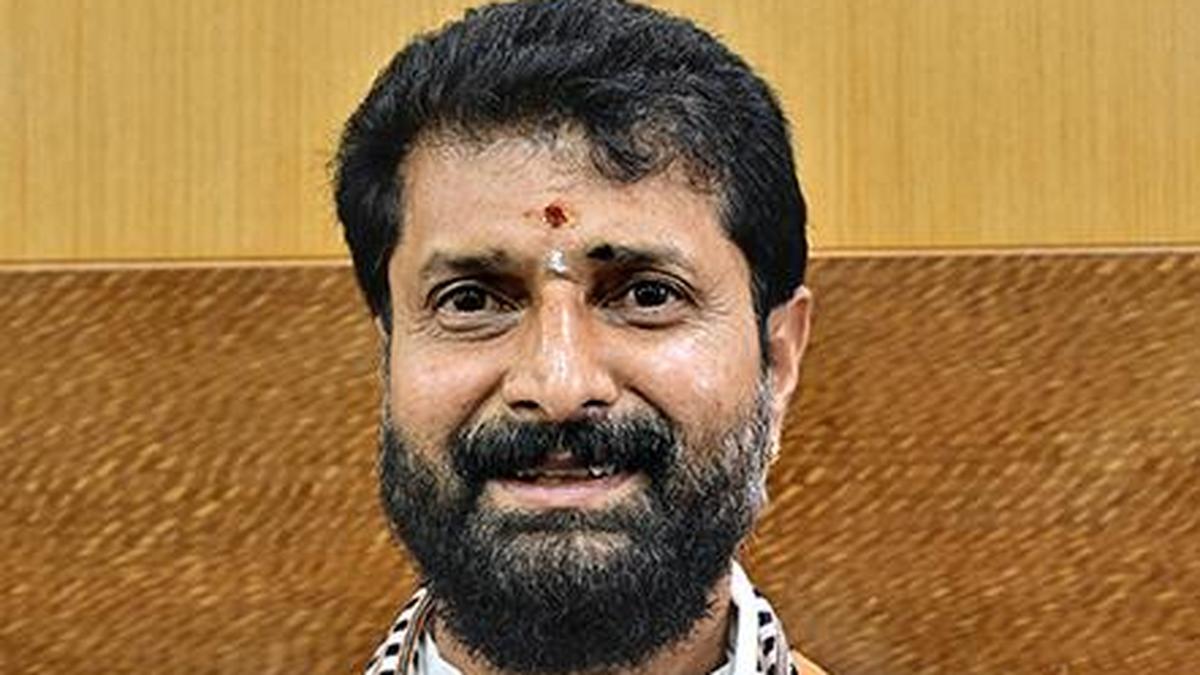
In addition to financial performance, attention is likely to turn toward how the bank supports emerging sectors within the district. Chikkamagaluru, known for its plantation economy including coffee and arecanut cultivation, increasingly faces market volatility and climate-related uncertainties. Cooperative credit institutions can play a stabilizing role by offering tailored financial products such as crop insurance linkages, post-harvest loans, and working capital for value addition. Observers say leadership that understands these sector-specific needs can help farmers adapt to changing economic conditions while reducing dependence on informal lenders.
Another area of expectation revolves around strengthening the bank’s relationship with primary agricultural cooperative societies at the grassroots. These societies serve as the first point of contact for many rural borrowers. Ensuring smooth fund flow, reducing paperwork delays, and improving grievance handling at this level can significantly enhance trust in the cooperative system. Ravi’s presidency may be evaluated on how effectively he fosters coordination between the district bank and these local bodies, reinforcing the cooperative chain that underpins rural credit distribution across villages and taluks.
Human resource development within the institution is also being discussed as a key priority. Cooperative banks often face challenges in training staff to adapt to evolving regulatory requirements and digital banking systems. Capacity-building initiatives, including skill development workshops and exposure to best practices, could improve efficiency and service quality. Analysts note that leadership commitment to professional development sends a strong message about modernization and accountability. Strengthening internal expertise may also help the bank respond more effectively to compliance expectations and customer needs.
Community engagement is another dimension that could shape the bank’s public image. Cooperative institutions traditionally thrive when members feel a sense of ownership and participation. Regular meetings, transparent sharing of performance data, and inclusion of member feedback in planning can deepen this engagement. Ravi’s leadership style may influence how actively members are involved in decision-making processes. Encouraging inclusive dialogue can help the bank align its strategies with grassroots priorities, reinforcing its identity as a people-centered financial institution rather than a distant administrative body.
As developments progress, the broader cooperative sector will watch the Chikkamagaluru DCC Bank’s trajectory as an indicator of how political leadership integrates with institutional governance. Success could demonstrate that experienced public representatives can contribute to strengthening cooperative structures when supported by robust systems and professional management. Conversely, challenges may underline the need for clearer boundaries and oversight. For now, stakeholders remain cautiously optimistic, viewing the transition as an opportunity to consolidate growth, enhance services, and uphold the cooperative principles that anchor rural financial resilience.
Follow: Karnataka Government
Also read: Home | Channel 6 Network – Latest News, Breaking Updates: Politics, Business, Tech & More
