
The MGNREGA Mahatma Gandhi National Rural Employment Guarantee Act has, over the years, become more than just a wage employment programme in rural India. It has altered everyday power equations within villages, influencing how caste hierarchies operate and how gender roles are negotiated inside homes and public spaces. Introduced as a rights-based programme guaranteeing wage work, it provided income security to millions of rural households. But its social impact has often been as significant as its economic role. As uncertainties arise over funding and implementation, many workers fear that losing the programme would mean more than job loss; it could reverse fragile social gains.
In conversations across villages, workers often describe MGNREGA as a quiet safety net that stands between hardship and survival, especially during sudden crises. Whether it is a failed monsoon, a medical emergency, or loss of private employment, the possibility of demanding work provides psychological assurance. This sense of security influences how families plan expenses, avoid high-interest loans, and keep children in school. The fear of losing the programme, therefore, is also a fear of slipping back into constant uncertainty. For many, MGNREGA represents not just employment, but a fragile foundation of stability, dignity, and negotiating power in an otherwise unpredictable rural economy.
In several villages, MGNREGA worksites became among the first public spaces where people from different caste backgrounds laboured together under a common wage structure. Traditionally, caste determined not only occupation but also social interaction. Segregated tasks, unequal pay, and social distance reinforced hierarchy. The programme’s standardized wage system and work allocation mechanisms weakened some of these barriers. Though caste discrimination has not disappeared, the act of working side by side on public projects created new patterns of interaction. Workers describe this as a subtle but meaningful shift in how dignity is experienced in daily labour.
Women’s participation in MGNREGA has been particularly transformative. The programme mandates equal wages for men and women, a principle that contrasts with prevailing rural labour markets where women often receive less. Access to paid work close to home enabled many women to earn independently for the first time. This income, even when modest, increased their bargaining power within households. Women reported greater say in decisions related to food, education, and healthcare. The visibility of women working collectively in public spaces also challenged norms that confined them primarily to unpaid domestic roles.
For Dalit and other marginalized caste groups, MGNREGA offered an alternative to traditional patron-client arrangements that historically tied them to dominant landowning castes. Instead of depending solely on seasonal agricultural labour under unequal conditions, workers could seek employment under a legal guarantee. This reduced vulnerability to coercion and exploitation. Some workers said they felt more confident refusing unfair wages in private fields because the programme provided a fallback option. Even when workdays were limited, the existence of a rights-based entitlement shifted psychological perceptions of dependence and autonomy.
The programme’s emphasis on bank payments further influenced social relations. Wage transfers into individual accounts brought many rural women and marginalized workers into formal financial systems. Having a bank account in one’s own name was, for some, a new experience of identity and control. Financial inclusion enabled savings, access to credit, and direct interaction with institutions beyond local power structures. Though delays and technical issues have been common, the broader shift toward formal payments contributed to a sense of recognition by the state, reinforcing the idea that workers are rights holders rather than beneficiaries of charity.
At the village level, collective participation in MGNREGA works also created new spaces for solidarity. Workers often share information about job demands, wage delays, and entitlements. These informal networks sometimes evolve into organized demands for transparency and accountability. Social audits, a key component of the programme, brought villagers together to question officials and review records. Such processes introduced a culture of questioning authority in contexts where marginalized groups historically had limited voice. While outcomes vary widely, the presence of these forums has gradually expanded the scope of local democratic engagement.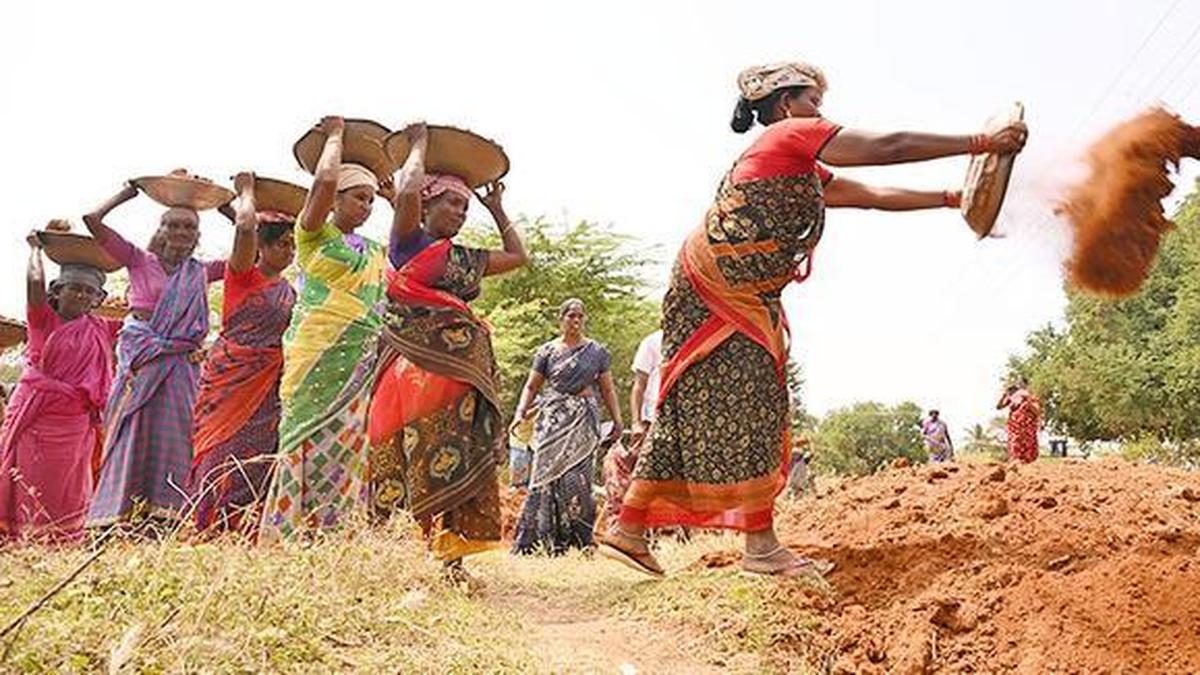
SHIFTING CASTE DYNAMICS AND GENDER POWER IN RURAL SPACES
Despite these gains, caste continues to shape experiences within the programme. Reports of discrimination at worksites, task allocation biases, and local elite capture of decision-making persist. Yet many workers note that the legal framework provides a tool to contest such practices. The knowledge that employment is a statutory right, not a favor, alters how grievances are articulated. Dalit workers in some regions have used this language of rights to challenge exclusion. Though enforcement remains uneven, the existence of a legal guarantee introduces a new reference point in social negotiations.
Gender relations inside households have also evolved in complex ways. Women earning wages through MGNREGA often gain greater respect, but this can sometimes generate tension. In some families, men initially resisted women’s participation, citing norms around mobility and honor. Over time, however, regular income contributions have led to gradual acceptance. Women workers describe increased confidence in speaking at gram sabha meetings and interacting with officials. Exposure to collective work environments also builds social networks beyond kinship circles, expanding women’s access to information and support systems.
The programme’s proximity-based employment model has been crucial for women. Since work is supposed to be provided within a short distance from home, women with caregiving responsibilities can participate without migrating. This design feature differentiates MGNREGA from other labour opportunities that require travel or long hours away. Childcare provisions, though inconsistently implemented, further signal recognition of women’s needs. These structural elements embed gender sensitivity within the programme’s framework, even if practice does not always match policy intent.
MGNREGA has also influenced local political dynamics. Workers who depend on the programme often mobilize collectively to demand work or payment of pending wages. These mobilizations can reshape relationships between citizens and elected representatives. Local leaders may face pressure to ensure implementation, knowing that employment provision directly affects livelihoods. Marginalized groups, previously less visible in political processes, sometimes emerge as organized constituencies. This shift does not eliminate inequalities but introduces new forms of negotiation in rural governance structures.
However, the fear of losing the programme stems from both economic and social anxieties. Workers worry that without MGNREGA, they will return to highly unequal labour markets where caste and gender biases are stronger. Agricultural work is seasonal and often poorly paid. Migration to cities involves uncertain conditions and family separation. For many, the programme acts as a stabilizing force during crises such as droughts or economic slowdowns. Its withdrawal could push vulnerable households back into cycles of debt and dependence.
Administrative challenges have intensified these fears. Delays in wage payments, technical glitches in attendance systems, and budget constraints have affected trust. When work is unavailable despite demand, the legal guarantee feels weakened. Workers interpret such gaps as signs that the programme’s future may be uncertain. Civil society groups argue that strengthening implementation, rather than reducing scope, is essential to preserve its social benefits. The contrast between the programme’s transformative potential and its operational hurdles defines much of the current debate.
WHY THE FUTURE OF THE PROGRAMME CARRIES EMOTIONAL AND SOCIAL WEIGHT
Beyond economics, MGNREGA represents recognition of rural labour as deserving of state support. This symbolic dimension matters deeply to workers. The programme’s language of rights and dignity contrasts with welfare models framed as assistance. Workers often describe pride in earning wages through public work that creates assets like roads, ponds, and soil conservation structures. These visible contributions reinforce a sense of belonging to national development. Losing the programme could therefore feel like a withdrawal of recognition, not just income.
Younger rural women, in particular, view MGNREGA as a stepping stone toward broader aspirations. Participation builds familiarity with public institutions and collective action. Some women who first entered the workforce through the programme later pursue self-help groups, small enterprises, or local leadership roles. The initial experience of earning and speaking in public spaces can have long-term effects on self-perception. Disruptions to the programme may limit such pathways, especially in regions with few alternative opportunities for women’s economic engagement.
For marginalized caste groups, the programme’s decline could re-entrench older hierarchies. Without an alternative source of employment backed by law, workers may be forced to accept unfavorable terms in private labour markets. The bargaining power that comes from having a fallback option would weaken. This shift could affect not only wages but also social interactions tied to dependency. Workers’ fears therefore reflect an understanding that employment schemes influence the balance of power, even in subtle ways.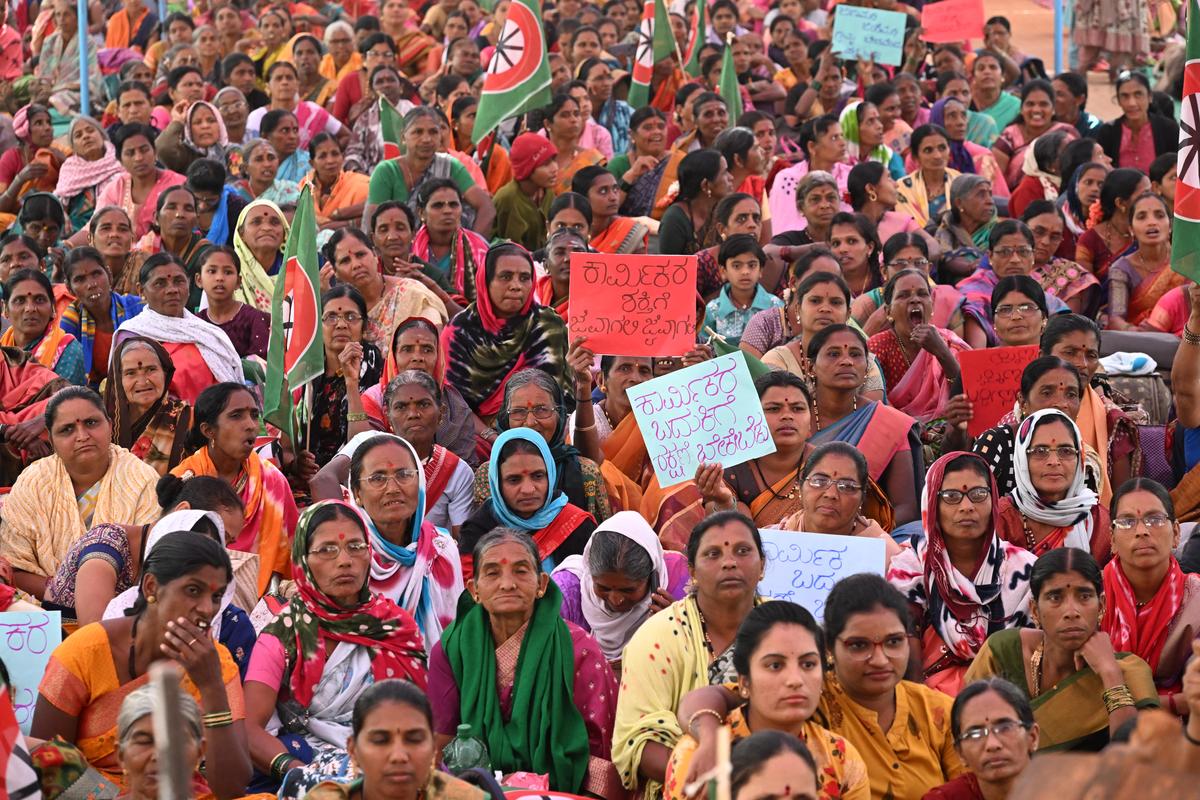
Experts note that social change through such programmes is gradual and uneven. Gains in dignity, voice, and autonomy are often fragile. They depend on consistent implementation, awareness of rights, and supportive local institutions. Interruptions or dilution can quickly erode confidence. Workers’ anxiety about the future of MGNREGA thus reflects lived experience of both progress and vulnerability. For many rural households, the programme symbolizes a rare intersection of economic support and social transformation.
Ultimately, the debate around MGNREGA is not only about fiscal priorities but about the kind of rural society India seeks to build. By creating spaces where caste lines blur slightly and women step into paid public work, the programme has nudged entrenched structures. Workers’ fears of losing it reveal how deeply these shifts matter in everyday life. Whether strengthened or weakened, the trajectory of MGNREGA will shape not just incomes, but the evolving contours of dignity, equality, and hope in rural communities.
Follow: Karnataka Government
Also read: Home | Channel 6 Network – Latest News, Breaking Updates: Politics, Business, Tech & More
