
The Chief Superintendent of Kalaburagi Central Prison has been transferred while an official inquiry into administrative matters at the facility is underway, prison department sources confirmed. The move comes amid scrutiny over internal procedures, inmate management practices, and compliance with correctional guidelines. Though authorities have not publicly detailed the exact allegations, officials said the transfer is a routine administrative measure intended to ensure a fair and uninterrupted investigation. The development has drawn attention from civil society groups and legal observers who closely track prison governance and the treatment of inmates in Karnataka’s correctional institutions.
Officials familiar with correctional administration said that inquiries of this nature usually involve a multi-layered review. Apart from examining the conduct of individual officers, committees often look into communication chains, reporting mechanisms, and compliance with standing orders. This helps determine whether any issues stemmed from isolated lapses or broader systemic weaknesses. Such a comprehensive approach ensures that responsibility is fairly assessed. It also allows departments to refine standard operating procedures where necessary, strengthening institutional resilience against future administrative complications.
Staff morale inside prisons can sometimes be affected when senior officers are transferred under inquiry. Authorities, however, emphasized that routine operations must continue without disruption. Briefings have reportedly been held with prison staff to reassure them that the process is administrative and that cooperation is expected. Maintaining professionalism during transitions is seen as essential to preserving discipline and stability. Senior officials noted that correctional work requires coordinated teamwork, and clear communication during such periods helps avoid uncertainty or speculation among personnel.
Inmate welfare organizations are also observing developments closely. These groups often advocate for improved living conditions, access to legal aid, and better grievance systems within prisons. They argue that inquiries should include perspectives on how administrative decisions impact inmates’ daily lives. Transparent findings, they say, can strengthen trust in oversight mechanisms. Some groups have suggested periodic independent inspections to complement internal reviews, ensuring that correctional facilities remain accountable to both legal standards and humanitarian principles.
Legal observers point out that prison administration is governed by a combination of national laws, state rules, and judicial guidelines. Courts have repeatedly emphasized the importance of humane treatment, medical care, and rehabilitation opportunities for inmates. If an inquiry identifies gaps in these areas, it could lead to policy refinements. Experts note that compliance is not solely a matter of discipline but also of resources and training. Strengthening capacity can help prevent administrative stress from translating into procedural lapses.
The role of technology in modern prison management has also entered discussion. Digital record systems, CCTV monitoring, and automated reporting tools can improve transparency and traceability. Officials suggest that expanding such systems reduces reliance on manual documentation and minimizes the risk of discrepancies. Data-driven oversight can also help identify patterns that might otherwise go unnoticed. While technology cannot replace human judgment, it serves as an additional layer of accountability within complex institutional environments.
Community perception of prisons often shapes reactions to such news. Correctional facilities are typically seen as closed institutions, which can lead to speculation when administrative changes occur. Authorities have stressed the importance of sharing verified information while respecting confidentiality. Balanced communication helps prevent rumors that may affect staff families or local communities. Public understanding that oversight is part of governance, not necessarily a sign of crisis, can contribute to calmer responses.
Training remains a cornerstone of effective prison administration. Experts argue that continuous professional development for officers is necessary to keep pace with evolving legal standards and human rights expectations. Workshops on conflict management, mental health awareness, and documentation procedures can enhance operational efficiency. If the inquiry highlights training gaps, departments may consider revising curricula or increasing refresher programs. Investing in staff capacity ultimately benefits both security management and inmate welfare.
The transition of leadership at Kalaburagi Central Prison may also prompt a review of internal monitoring structures. Regular audits, surprise inspections, and feedback channels are tools used in many correctional systems to detect issues early. Strengthening these mechanisms reduces reliance on reactive investigations. Officials believe that proactive monitoring fosters a culture of accountability and encourages staff to address concerns before they escalate into formal inquiries.
Observers note that the timing of administrative decisions often reflects a department’s commitment to procedural fairness. By transferring an officer during inquiry, authorities aim to avoid conflicts of interest and preserve evidence integrity. This practice aligns with principles followed in various public services. Ensuring neutrality helps maintain credibility, both within the department and among external stakeholders. The emphasis remains on fact-finding rather than presumption.
As the review continues, attention will turn to the recommendations that emerge. Whether the findings lead to individual accountability, procedural revisions, or broader reforms, their implementation will shape the long-term impact of the inquiry. Stakeholders emphasize that transparency in communicating conclusions, while respecting legal boundaries, is vital. Ultimately, the situation underscores that effective correctional administration depends on constant vigilance, ethical conduct, and systems designed to learn and improve from scrutiny.
Senior officials clarified that such transfers during inquiries do not automatically imply guilt but are meant to prevent potential influence over records, staff, or witnesses. A new officer has reportedly been given charge of the prison to maintain continuity in operations. Kalaburagi Central Prison houses a mix of undertrial and convicted inmates, making its administration complex. Authorities emphasized that security, daily routines, and inmate services remain unaffected. However, the situation has prompted renewed focus on transparency and accountability within prison management systems.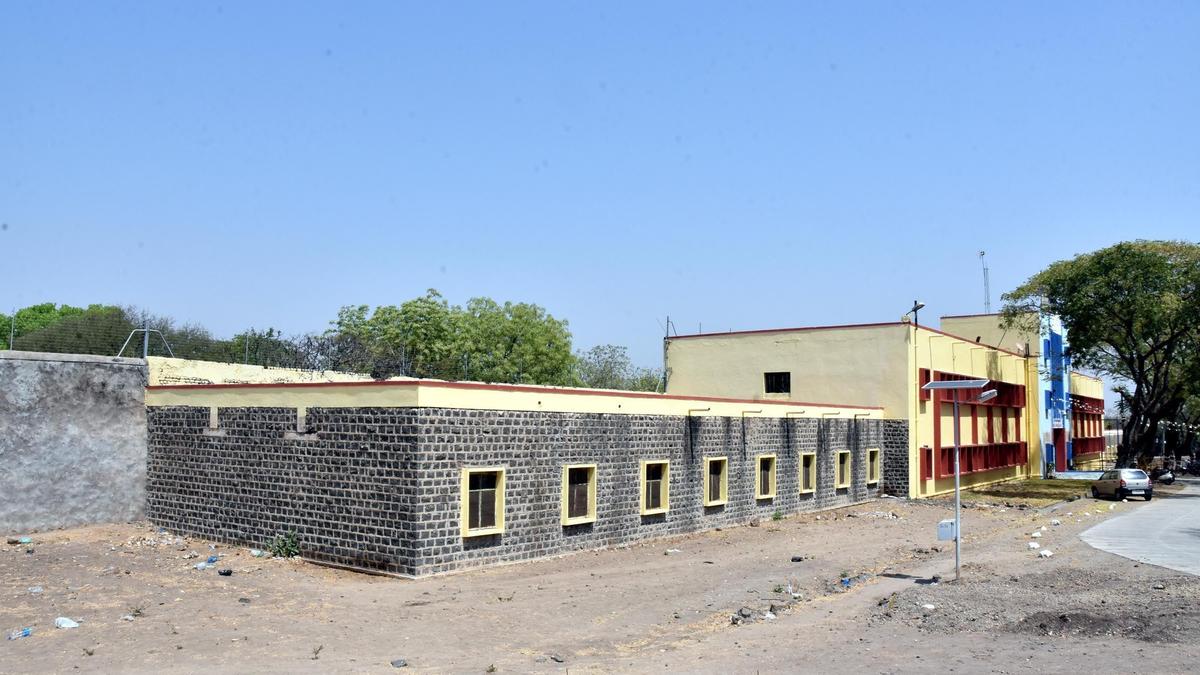
Sources indicated that the inquiry may involve examination of procedural compliance, including record maintenance, inmate welfare measures, and internal supervision mechanisms. Prison departments operate under strict guidelines covering health care, food standards, visitation protocols, and discipline procedures. Any deviation can trigger review. While officials have not confirmed specific triggers for the probe, they stated that oversight mechanisms exist to address complaints or irregularities. Such processes, they said, are part of institutional checks designed to strengthen correctional administration.
Human rights advocates have responded cautiously, calling for clarity and fairness. They stress that prison environments are often hidden from public view, making independent oversight crucial. Advocacy groups argue that inquiries should focus not only on individual responsibility but also on systemic issues such as overcrowding, staff shortages, and infrastructure limitations. They believe that sustained reforms, rather than isolated actions, are key to improving prison conditions. At the same time, they emphasized that conclusions should be based on verified findings rather than speculation.
Legal experts note that prison officials carry significant responsibility in balancing security with inmate rights. Administrative lapses, if any, can have serious consequences for both safety and rehabilitation goals. Transfers during investigations are standard in many government departments to preserve neutrality. Experts expect the inquiry to review documentation, staff testimonies, and operational records before reaching conclusions. Until then, they caution against premature judgments.
OVERSIGHT, ACCOUNTABILITY, AND KALABURAGI PRISON REFORM IN FOCUS
The incident has revived discussion on the broader challenges facing correctional facilities. Many prisons operate beyond capacity, placing pressure on staff and resources. Such conditions can complicate adherence to procedural norms. Experts argue that strengthening training, digital record systems, and grievance redress mechanisms can reduce administrative vulnerabilities. Transparent processes help build confidence among inmates, staff, and the public that institutions function within legal frameworks.
Officials from the prison department reiterated that inmate welfare remains a priority. Medical services, legal aid access, and rehabilitation programs are continuing under supervision. The replacement officer has reportedly been instructed to cooperate fully with investigators and ensure that all documentation is available. Authorities also stated that staff members are expected to assist in the inquiry without fear, reinforcing a culture where reporting concerns is encouraged rather than discouraged.
The outcome of the probe could influence administrative practices beyond Kalaburagi. Findings may lead to updated guidelines or procedural adjustments across facilities if systemic gaps are identified. Observers note that such reviews, while often prompted by specific events, can serve as catalysts for broader institutional improvements. Ensuring that lessons learned translate into long-term reform remains a key expectation from stakeholders.
Public discourse around prison administration often intensifies during such developments, but experts urge balanced perspectives. Prisons function within complex legal and social environments, managing diverse inmate populations while maintaining order. Investigations, they say, should be seen as part of governance processes rather than crises alone. Transparency in communicating outcomes will be crucial to maintaining trust.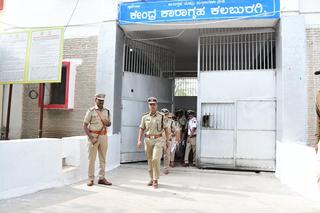
As the inquiry proceeds, attention remains on due process and administrative integrity. The transfer of the Chief Superintendent signals that oversight mechanisms are active, but the final assessment will depend on evidence and official review. The situation highlights the delicate balance in correctional institutions between authority, accountability, and humane management, underscoring the importance of continuous monitoring to ensure that prison systems operate in line with legal and ethical standards.

Some former prison officials have noted that such moments of review can also open space for constructive dialogue between administrators and policymakers. Lessons drawn from inquiries often feed into budget planning, infrastructure upgrades, and staffing norms. If gaps in resources or facilities come to light, they may strengthen the case for additional investment in correctional services. Over time, these incremental improvements can enhance both security management and rehabilitation efforts, reinforcing the broader objective of prisons as institutions of correction rather than mere confinement.
Ultimately, the focus now rests on the integrity and thoroughness of the inquiry process. Staff, inmates, and the public will look to the findings for clarity and assurance that standards are being upheld. Transparent procedures, timely conclusions, and appropriate follow-up actions are essential to maintaining confidence in the system. While administrative transitions can create temporary uncertainty, they also signal that oversight mechanisms are functioning, emphasizing accountability as a core principle in the governance of correctional institutions.
Follow: Karnataka Government
Also read: Home | Channel 6 Network – Latest News, Breaking Updates: Politics, Business, Tech & More
