
Karnataka Legislative Council Chairperson Basavaraj Horatti has expressed support for holding the State’s budget session in Belagavi, reviving discussion on decentralizing key legislative proceedings beyond Bengaluru. The statement has renewed focus on the longstanding demand to strengthen Belagavi’s role in the State’s administrative and political landscape. Advocates say such a move would symbolically and practically acknowledge the region’s importance, while critics note the logistical and financial considerations involved. The development has sparked conversation among legislators, local leaders, and citizens about balancing regional representation with administrative efficiency.
The suggestion has also prompted reflection on the historical context of Belagavi’s legislative role. The practice of holding the winter session there emerged from efforts to address regional sentiments and promote administrative outreach. Over time, this arrangement has become an established feature of Karnataka’s political calendar. Expanding Belagavi’s involvement to include the budget session would represent a significant evolution of that framework. Observers say such continuity in decentralization efforts signals responsiveness to regional voices while reinforcing institutional traditions that have gradually taken root.
Administrative planners note that advance scheduling would be crucial if such a decision moves forward. Budget sessions involve extensive documentation, coordination between multiple departments, and real-time communication between finance officials and lawmakers. Temporary relocation of these processes requires seamless digital connectivity and secure document handling systems. Officials say lessons from past sessions in Belagavi could guide preparations, though the scale of financial deliberations adds complexity. Careful planning would be needed to ensure legislative timelines remain on track.
The proposal has also drawn attention to the broader concept of distributed governance. In many states and countries, certain official functions are rotated or decentralized to encourage regional integration. Advocates argue that such practices can strengthen a sense of shared ownership in governance. Bringing major legislative proceedings to different regions symbolically reduces the perception of power being concentrated in a single urban center. This perspective frames the debate not only in terms of logistics but also in democratic inclusiveness.
Economic stakeholders in Belagavi have pointed to the immediate benefits of hosting high-level government activity. Hotels, transport services, and local vendors often see increased demand during legislative sessions. While such gains are temporary, they contribute to the local economy and visibility of the city as an administrative hub. Business associations say a budget session could further position Belagavi as a venue capable of supporting large-scale official events, potentially attracting future conferences and institutional investments.
Education and civic groups have also weighed in, emphasizing the symbolic impact on younger generations. Students witnessing legislative proceedings in their region may feel a stronger connection to democratic institutions. Exposure to public debates and policymaking processes can encourage civic awareness and participation. Supporters of the proposal argue that bringing governance closer to people fosters a culture of engagement and understanding about how decisions affecting daily life are made.
On the other hand, some officials highlight the environmental and logistical footprint of moving large delegations. Travel arrangements for legislators, staff, and security personnel involve coordination and resources. Balancing these considerations with regional outreach goals requires a nuanced approach. Policymakers may evaluate whether the symbolic and developmental benefits justify the additional logistical demands associated with hosting a full budget session outside the capital.
Security planning is another factor under review. Legislative sessions, particularly those involving financial announcements, require robust arrangements to ensure the safety of participants and the integrity of proceedings. Belagavi’s experience with previous sessions provides a foundation, but expanded responsibilities may call for additional coordination between local and state-level security agencies. Authorities emphasize that preparedness and risk assessment form part of routine planning for such events.
The discussion also touches on interdepartmental coordination. Budget sessions bring together officials from finance, planning, and various line departments for consultations and clarifications. Ensuring that these interactions occur smoothly in a different location demands reliable communication networks and structured scheduling. Administrators note that technological advancements have made remote coordination easier, but on-ground presence remains important during intense legislative debates.
Political analysts observe that such proposals often reflect broader narratives about regional equity and representation. Northern Karnataka has historically sought greater attention to development needs. Hosting major sessions in Belagavi can be interpreted as acknowledgment of those aspirations. At the same time, leaders stress that decentralization should be part of a sustained strategy rather than an occasional gesture. Long-term planning in infrastructure and institutional presence is seen as essential to meaningful regional balance.
Public opinion in Belagavi appears generally supportive, with civic leaders expressing readiness to facilitate arrangements if the proposal advances. Previous experiences with legislative sessions have fostered a sense of local pride in hosting state-level events. Residents often view such occasions as opportunities to showcase the city’s culture and administrative capability. This local enthusiasm forms part of the broader narrative encouraging expanded roles for regional centers.
From a legislative perspective, continuity of records and proceedings is critical. Budget debates involve amendments, clarifications, and coordination with departments responding to queries. Ensuring that all documentation and communication systems function reliably in Belagavi would be central to the success of such a move. Officials indicate that thorough testing of infrastructure and contingency planning would precede any decision to shift the session.
Ultimately, the conversation around holding the budget session in Belagavi reflects evolving ideas about governance in Karnataka. Balancing efficiency with inclusiveness remains the key challenge. Whether the proposal materializes or not, the debate highlights the importance of regional engagement in democratic processes. It underscores how venue choices carry symbolic weight alongside administrative considerations, shaping perceptions of representation and shared participation in the State’s political life.
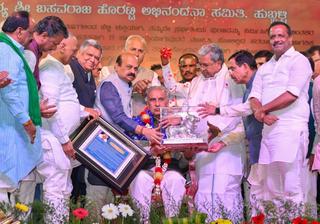
Belagavi already hosts the annual winter session of the State Legislature, a practice rooted in efforts to address regional aspirations and historical demands linked to the area’s identity and development concerns. Supporters of expanding its role argue that conducting a budget session there would further integrate northern Karnataka into the State’s governance framework. They believe the presence of lawmakers and officials brings visibility to regional issues and can accelerate attention to infrastructure, agriculture, and industrial development in the region.
Horatti’s remarks have also been viewed through the lens of regional equity. Leaders from northern districts often contend that administrative concentration in Bengaluru limits balanced development. Hosting major legislative events in Belagavi, they argue, can distribute institutional focus more evenly. Beyond symbolism, such sessions may stimulate local economic activity through increased demand for services, accommodation, and logistics. Supporters say this aligns with broader decentralization principles aimed at reducing disparities between regions.
However, practical aspects remain part of the debate. Conducting a budget session requires extensive coordination, including secure facilities, accommodation for legislators and staff, and technological infrastructure for proceedings. Officials point out that while Belagavi has experience hosting the winter session, the scale and duration of a budget session involve additional preparation. Financial implications, travel arrangements, and continuity of administrative work are factors policymakers would need to evaluate carefully.
Ultimately, the discussion highlights the ongoing balance between symbolism and practicality in governance. Decisions about legislative venues are not only logistical choices but also statements about regional engagement. Whether or not the budget session is eventually held in Belagavi, the conversation underscores the importance of inclusive governance that acknowledges diverse regional aspirations while ensuring the effective functioning of democratic institutions.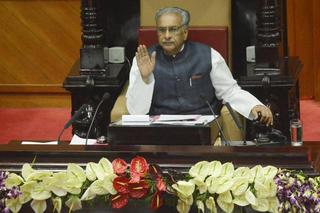
REGIONAL BALANCE, POLITICAL SIGNALS, BELAGAVI AND ADMINISTRATIVE REALITIES
The proposal also carries political symbolism. Budget sessions are among the most significant legislative events, involving presentation of financial plans, policy priorities, and debates on public expenditure. Holding such a session in Belagavi could be seen as a strong gesture toward regional inclusion. Political observers note that such decisions often resonate beyond logistics, reflecting messages about representation and recognition within the State.
At the same time, some legislators stress that legislative effectiveness should remain the primary consideration. They argue that while regional outreach is important, maintaining smooth functioning of the Assembly and Council is crucial. Reliable communication systems, document management, and coordination between departments are essential during budget discussions. Ensuring these operate seamlessly outside the capital requires careful planning.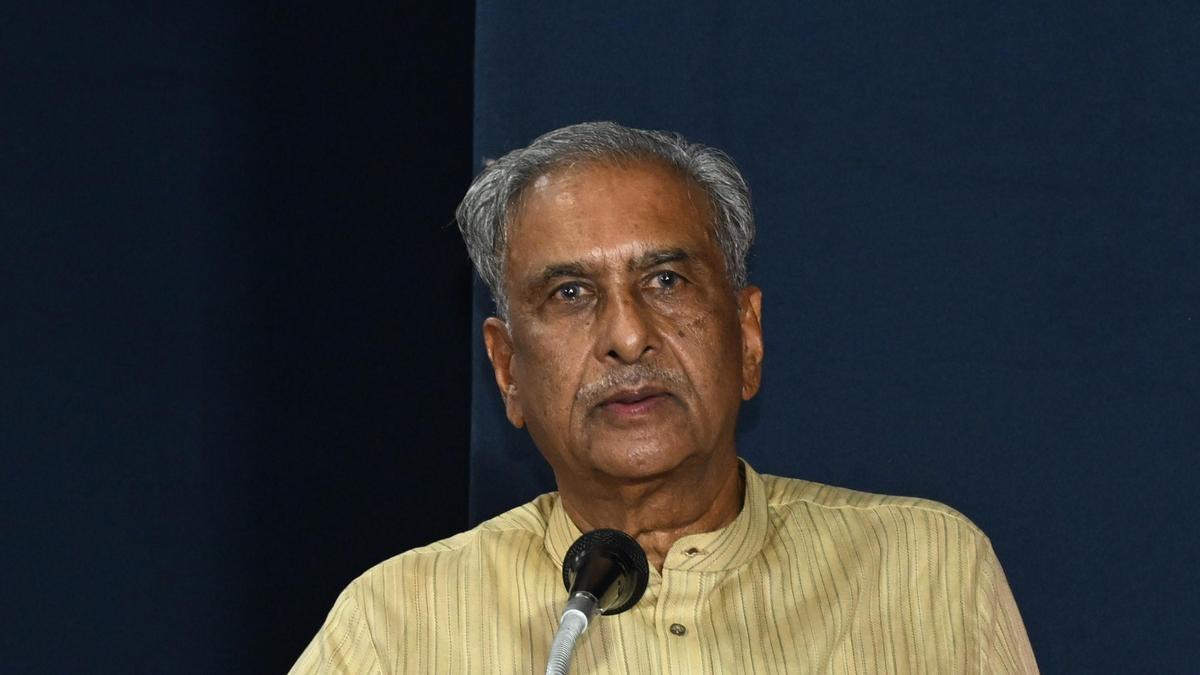
Local civic bodies in Belagavi have reportedly welcomed the idea, seeing it as an opportunity to showcase the city’s readiness and development. Previous legislative sessions have prompted upgrades in infrastructure, including roads, public facilities, and security arrangements. Supporters believe a larger role for the city in legislative affairs could bring sustained investment and attention to urban development needs.
Ultimately, the discussion highlights the ongoing balance between symbolism and practicality in governance. Decisions about legislative venues are not only logistical choices but also statements about regional engagement. Whether or not the budget session is eventually held in Belagavi, the conversation underscores the importance of inclusive governance that acknowledges diverse regional aspirations while ensuring the effective functioning of democratic institutions.
Karnataka Legislative Council Chairperson Basavaraj Horatti has expressed support for holding the State’s budget session in Belagavi, reviving discussion on decentralizing key legislative proceedings beyond Bengaluru. The statement has renewed focus on the longstanding demand to strengthen Belagavi’s role in the State’s administrative and political landscape. Advocates say such a move would symbolically and practically acknowledge the region’s importance, while critics note the logistical and financial considerations involved. The development has sparked conversation among legislators, local leaders, and citizens about balancing regional representation with administrative efficiency.
Follow: Karnataka Government
Also read: Home | Channel 6 Network – Latest News, Breaking Updates: Politics, Business, Tech & More
